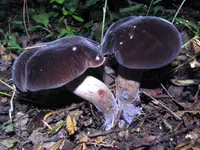
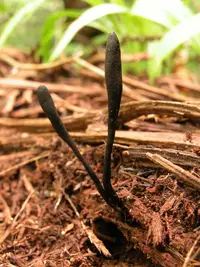
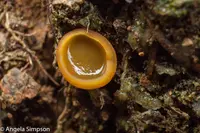
pear fibrecap Care (Inocybe fraudans)

pear fibrecap

About pear fibrecap

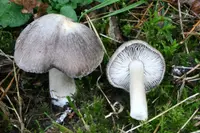
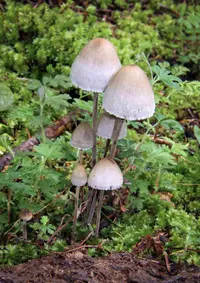
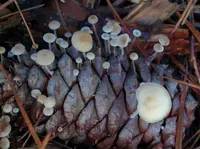
Pear fibrecap, Inocybe fraudans, is a small, fibrous woodland fungus rather than a traditional houseplant. It typically forms pale to yellow-brown conical caps with a silky to fibrous surface and a slender, fragile stem. The fruiting bodies appear on soil in broadleaf and mixed forests, especially near hardwoods, in temperate regions of Europe and parts of North America.

This species is not suitable for casual cultivation and is considered difficult to grow in controlled conditions because it forms complex associations with tree roots. Anyone wanting to understand how to care for pear fibrecap should treat it as a specialist mycology subject rather than a practical garden or indoor project.

Main Plant Requirements

Care Difficulty

Moderate Care

Light Preference

Partial Shade

Water Requirements

Moderate Water

Temperature Preference

Cool Climate

Hardiness Zone

Unknown

Soil Texture

Loamy, Organic-rich

Soil pH

Acidic (5.5–6.5)

Soil Drainage

Moist but well-drained

Fertilization

Minimal (feed rarely)

Get Personalized Care Plan

Scan your plant to receive care tips personalized for your specific plant

Available on iOS and Android

How to Care for the pear fibrecap

This mycorrhizal fungus prefers woodland light levels rather than open, exposed sun.

  • Site fruiting areas in dappled or filtered light, such as under deciduous trees, with 2–4 hours of gentle morning sun and full protection from harsh afternoon sun.
  • Pear fibrecap tolerates bright overcast conditions and light shade; choose spots where direct sun is blocked by canopy, leaf litter, or understory vegetation most of the day.
  • Avoid full, unfiltered sun, which dries the upper soil and leaf litter too quickly; in hot summers, increase shade cover or mulch depth to buffer light and heat.

This woodland fungus depends on consistently moist, well-drained soil rather than direct watering of the fruiting bodies.

  • Maintain evenly moist mineral soil and leaf litter, allowing only the top 1–2 cm to dry slightly between natural rains or supplemental irrigation.
  • If supporting Inocybe fraudans in a managed bed, use deep, infrequent soakings that drain through freely, avoiding puddling or waterlogged patches that cause root and mycelium rot.
  • Watch for cracking, powder-dry soil or shrinking leaf litter as signs of underwatering, and for sour odor, algae, or standing water as indicators of excess moisture.

This species fruits best in cool to mild conditions typical of temperate woodlands.

  • Aim for active growth and fruiting in temperatures around 50–68°F (10–20°C), which align with many autumn and spring woodland periods.
  • The mycelium usually tolerates down to about 23–28°F (-5–-2°C) in soil and leaf litter, but repeated hard freezes can reduce fruiting in exposed, shallow substrates.
  • Sustained heat above 80°F (27°C), especially when combined with dry soil, suppresses fruiting; provide shade, organic mulch, and steady moisture during hot spells.

This fungus does not require managed air moisture and tolerates a broad humidity range outdoors.

This woodland fungus depends on naturally structured, undisturbed forest soil rather than a constructed potting mix.

  • Fruiting bodies typically appear in moist, humus-rich, loamy soil with abundant leaf litter and decaying wood.
  • Soil must drain freely yet stay evenly moist, as prolonged waterlogging suppresses mycelium and can limit fruiting.
  • It associates with tree roots, so soil should be slightly acidic to neutral, around pH 5.0–7.0, typical of mixed woodland.
  • Maintain a loose, aerated surface by allowing leaf litter to decompose in place rather than compacting or heavily raking the area.

This species is not suitable for container growing, as it relies on complex mycorrhizal relationships with tree roots in natural soil.

Inocybe fraudans is a wild, mycorrhizal fungus that generally should not be fertilized in garden or container settings.

Inocybe fraudans is not maintained through pruning, since it is a wild ectomycorrhizal fungus rather than a garden plant.

Transplanting Inocybe fraudans is rarely practical, as this fungus relies on complex root partnerships with host trees.

  • If cultivation is attempted, transplant only during cool, moist weather to reduce stress on the tree–fungus association.
  • Move a generous volume of native soil containing the mycelium rather than individual fruiting bodies.
  • Avoid disturbing fine tree roots; the fungus depends on intimate root contact for survival.
  • After transplanting, maintain moderate, even soil moisture and avoid high-nutrient amendments that disrupt the fungal balance.

Deliberate propagation of Inocybe fraudans is not recommended for home growers because it forms specialized mycorrhizal relationships and may be toxic.

This ectomycorrhizal fungus is naturally cold hardy in its native range and needs no intentional winter care in gardens or landscapes, even when caring for pear fibrecap.

Care Tips

Spore-safe ventilation

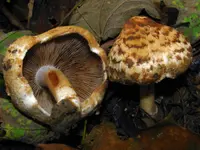
When handling mature caps indoors, use a fine-mesh box or terrarium with a small USB fan on low to keep air moving and reduce dense spore buildup, which can irritate lungs in enclosed spaces.

Dedicated work tools

Keep a separate knife, brush, and containers only for this fungus to limit cross-contamination with other wild fungi and soil microbes, cleaning tools with isopropyl alcohol after each use.

Substrate hygiene

Before placing colonized material into any display container, oven‑pasteurize leaf litter or woody debris at 180–200°F for 30–45 minutes to knock back competing molds while still leaving a somewhat natural texture.

Label and log data

Label each culture or sample with date, source tree species, and location, and keep a simple log of humidity, airflow, and contamination events to refine how to take care of pear fibrecap over time.

Allergy precautions

If you notice sneezing or eye irritation while working near large numbers of fruiting bodies, wear an N95 mask and nitrile gloves, and move handling tasks to a well‑ventilated area or outdoors.

Common Pests and Diseases

Mycophagous mites

These insects feed on fungal tissue and spores, grazing the cap surface and gill edges of the mushroom. Symptoms include pitted, roughened caps, small pale feeding spots, and reduced spore production in dense colonies.

Solution

Collect and remove heavily infested fruiting bodies and surrounding litter, then reduce excess thatch or decaying organic debris that shelters mites. In cultivated or monitored patches, use fine mesh covers over developing mushrooms and keep the substrate slightly drier at the surface while maintaining overall soil moisture to make conditions less favorable for mite build‑up.

Fungus gnat larvae

This pest develops in moist, organic substrates and tunnels through the stipe and cap flesh. Symptoms include soft, water‑soaked tissue, collapse of young fruiting bodies, and visible white larvae in the stipe base or gill tissue when cut open.

Solution

Remove and discard affected mushrooms and any heavily infested substrate, then allow the upper soil or litter layer to dry slightly between flushes to break the larvae cycle. In cultivation or controlled beds, use yellow sticky traps for adult gnats and apply a biological control such as Bacillus thuringiensis israelensis (Bti) to the substrate according to label directions.

Parasitic mould overgrowth

This disease is caused by competitive mould fungi that colonize the surface of the cap and gills. Symptoms include a fine white to gray fuzz, patchy discolored growth on the cap, and early decay or misshapen fruiting bodies.

Solution

Promptly remove and dispose of affected mushrooms and nearby decaying material to reduce spore spread, and avoid overhead wetting that keeps caps saturated for long periods. In managed sites, improve air movement across the fruiting area and thin dense leaf litter so the surface dries more quickly after rain, which reduces mould establishment.

Slugs and snails

These pests feed on the soft fruiting body tissue, especially at night or in very damp conditions. Symptoms include irregular holes in caps, shredded margins, slime trails on and around the mushrooms, and partial or complete loss of young fruiting bodies.

Solution

Hand‑pick slugs and snails in the evening, remove dense ground cover that shelters them, and use physical barriers such as copper tape or gritty rings around small monitored patches. In gardens or managed woodland beds, deploy covered iron phosphate slug baits placed away from non‑target wildlife according to product instructions.

Interesting Facts

Distinct pear-like odor

Fresh fruitbodies produce a noticeable smell often compared to overripe pears or pear drops, which becomes weaker as the mushroom ages or dries.

Alkaline soil preference

This species typically appears in broadleaf woodlands on calcareous or base-rich soils, especially under beech and oak, reflecting a preference for higher soil pH conditions.

Poisonous fibrecap species

Like many Inocybe species, it is regarded as poisonous and suspected to contain muscarine, so it is considered unsafe for consumption despite its pleasant odor.

FAQs about pear fibrecap

Yes. This mushroom contains toxic compounds that can affect the nervous system. Ingestion may cause nausea, vomiting, sweating, salivation, confusion, or worse symptoms. Treat it as highly poisonous and seek urgent medical or veterinary help after any suspected consumption.

Grow Healthy Plants with Botan Care

Keep your plants happy and healthy with plant identification, disease detection, and easy care guidance.

Botan plant care app — identify plants on mobile

Explore More Plants