darkish fibrecap Care (Inocybe fuscidula)

darkish fibrecap

About darkish fibrecap

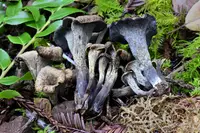
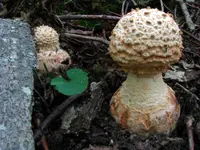
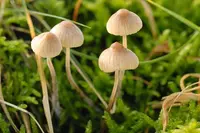
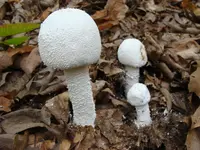
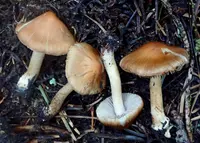
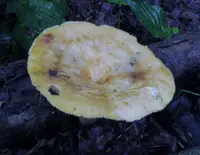
The darkish fibrecap, Inocybe fuscidula, is a small, brownish mushroom rather than a leafy plant. It typically forms slender stems topped with conical to bell-shaped caps that crack or fibrillate as they age.

This species is usually found in woodland or parkland, often in association with trees, where it forms mycorrhizal relationships that help roots absorb nutrients. It is not suited to casual home cultivation, as it depends on complex interactions with living trees and specific soil fungi. For those researching how to care for darkish fibrecap, it is generally treated as a wild woodland fungus that is observed rather than actively grown indoors or in containers.

Main Plant Requirements

Care Difficulty

Hard Care

Light Preference

Partial Shade

Water Requirements

Moderate Water

Temperature Preference

Cool Climate

Hardiness Zone

Unknown

Soil Texture

Loamy, Sandy, Organic-rich

Soil pH

Acidic (5.5–6.5)

Soil Drainage

Moist but well-drained

Fertilization

Minimal (feed rarely)

Get Personalized Care Plan

Scan your plant to receive care tips personalized for your specific plant

Available on iOS and Android

How to Care for the darkish fibrecap

This mycorrhizal fungus prefers low, woodland-style light that mimics a shaded forest floor.

  • Provide dappled or filtered light under shrubs or trees, with no more than 1–3 hours of weak morning sun and full shade through the hottest part of the day.
  • Choose sites with partial to full shade; direct midday or afternoon sun can dry the substrate quickly and suppress fruiting of darkish fibrecap.
  • In summer, rely on canopy shade and leaf litter to buffer strong light, while in late autumn increased low-angle sun is usually tolerated without damage.

This species thrives in consistently moist but never waterlogged soil around its tree partners.

  • Aim for soil that stays slightly damp 2–5 cm down; water only when the surface begins to lose sheen, using rain or dechlorinated water where possible.
  • Focus on drainage first; loose, humus-rich soil that does not hold standing water reduces rot risk for the mycelium of Inocybe fuscidula.
  • Increase moisture support during dry, warm periods by slow, deep watering, and reduce inputs in cool, wet weather, watching for fungal mats that turn slimy or foul-smelling as a sign of excess water.

This fungus is adapted to cool to mild woodland climates with moderate seasonal fluctuations.

  • Best fruiting typically occurs around 50–68°F (10–20°C), with mycelium growth still acceptable from about 41–72°F (5–22°C) in sheltered soil.
  • Tolerates brief dips near 32°F (0°C) in the soil, but repeated hard frosts below 28°F (-2°C) can slow or halt activity until conditions warm.
  • In hot periods above 77–82°F (25–28°C), maintain shade and higher soil moisture, since high surface temperatures and drying winds can damage shallow mycelium and reduce future fruiting.

This species is not suitable for indoor cultivation, and humidity management is generally irrelevant for practical darkish fibrecap care.

This ectomycorrhizal fungus should be left in natural ground rather than potted, but its soil preferences can guide habitat choice.

  • Favor undisturbed, moist but not waterlogged forest soil with a loose, crumbly texture rich in leaf litter and woody debris.
  • Select sites with free-draining, sandy to loamy mineral soil beneath organic duff so water infiltrates quickly and does not pool.
  • Aim for slightly acidic conditions (roughly pH 5.0–6.5), often found under conifers or mixed woodland with accumulated needle or leaf fall.
  • Avoid compacted, heavily amended, fertilized, or limed soils, which disrupt fungal partnerships with tree roots and reduce fruiting potential.

This woodland fungus is not suitable for container growing and should not be managed as a potted organism.

This ectomycorrhizal fungus does not need direct feeding, because it relies on host trees for nutrients.

Inocybe fuscidula is a wild ectomycorrhizal mushroom and does not require true pruning.

This fungus is not suited to conventional repotting but may be moved only when associated host trees are transplanted.

  • Transplant in cool, moist weather to reduce stress on the host tree and fungal mycelium.
  • Lift and move the tree with as much intact root ball and surrounding soil as possible to preserve fungal threads.
  • Avoid washing or breaking roots; disturbance can severely reduce fungal survival and future fruiting.
  • After transplanting, maintain even soil moisture and avoid high-dose fertilizers that disrupt fungal–root balance.

Cultivating Inocybe fuscidula is technically complex and rarely attempted outside research settings.

This species is naturally cold hardy in temperate climates and typically needs no special winter care in the ground.

  • Maintain a stable leaf-litter layer or light organic mulch over the root zone to buffer freeze–thaw cycles.
  • Avoid deep digging or soil disturbance around host trees during winter dormancy to preserve mycelium.
  • Container-grown host trees with associated fungi should be overwintered in a frost-free but cool place if roots are not hardy.

Care Tips

Substrate Sterilization

Before inoculation, sterilize any woody or fibrous substrate with heat (pressure cooker or oven pasteurization) to reduce competing fungi and bacteria that can easily outgrow Inocybe fuscidula mycelium.

Use Companion Trees

For outdoor cultivation trials, plant near compatible host trees such as young pines, oaks, or birches and lightly disturb the root zone with a sterile tool to introduce spawn so the fungus can establish mycorrhizal associations on fine roots.

Fine-Particle Cover Layer

After placing inoculated material in the root zone, add a thin 0.5–1 cm layer of fine, clean sand or sandy loam to maintain surface moisture while still allowing gas exchange and discouraging aggressive weed seedlings.

Targeted Moisture Zones

When irrigating host trees, direct water to the dripline rather than the trunk so the upper root zone where mycorrhizae form stays evenly moist without creating waterlogged pockets that favor other fungi.

Seasonal Monitoring Routine

Set a fixed schedule to inspect the host tree area during peak fruiting seasons, marking spots with discreet labels to track recurring flushes and adjust caring for darkish fibrecap practices such as irrigation timing or mulching based on where mushrooms reliably appear.

Common Pests and Diseases

Fungivorous springtails

These insects live in moist soil or substrate around fungal cultures and feed on mycelium and young fruiting bodies. Symptoms include slow colonization, pitted surfaces on caps, and small white jumping insects visible when the substrate is disturbed.

Solution

Reduce excess moisture and improve drainage so the substrate is damp but not waterlogged, then physically remove heavily infested sections. Use fine mesh or tight lids with gas exchange filters to exclude new insects, and if needed apply a targeted biological control such as predatory mites that feed on springtails without harming the fungus.

Mushroom flies

This pest includes small fungus gnats and sciarid flies whose larvae feed on developing mycelium and gills. Symptoms include tunneled stems, deformed caps, and tiny dark flies hovering near trays or containers.

Solution

Cover colonizing substrate with fine mesh or breathable film to block adult flies, and promptly discard heavily infested blocks. Allow the surface to dry slightly between misting, remove any decaying organic debris, and use sticky traps around the growing area to reduce adult populations when trying to grow Inocybe fuscidula.

Mite infestations

These pests are tiny arachnids that move through substrate and over caps, sometimes forming visible light patches or specks. Symptoms include roughened cap surfaces, poor fruiting, and very small moving dots seen under close inspection.

Solution

Quarantine infested cultures, remove and discard the most affected substrate, and lower humidity slightly while maintaining adequate moisture for the fungus. Introduce predatory mites specifically selected for mushroom production, and thoroughly clean shelves, tools, and containers with hot water and detergent before starting new cultures.

Green Trichoderma mold

This disease is caused by competitive Trichoderma species that colonize the same substrate, forming white patches that rapidly turn bright or dull green. Symptoms include stalled or patchy Inocybe mycelium, off odors, and strong green sporulation on the surface.

Solution

Carefully remove and bag any contaminated substrate and dispose of it away from the growing area, since spores spread easily. Sanitize tools and containers, avoid reusing contaminated substrate, and improve sterile technique and fresh air exchange so the desired mycelium colonizes quickly before Trichoderma can establish.

Bacterial blotch

This disease results from opportunistic bacteria thriving on overly wet caps and substrate surfaces. Symptoms include slimy or greasy spots on caps, off smells, and water-soaked lesions that may stop further development of the fruiting body.

Solution

Reduce surface wetness by using finer misting, increase gentle air movement, and keep humidity stable rather than extremely high. Remove and discard affected fruiting bodies promptly, clean surfaces with a mild disinfectant safe for equipment, and avoid splashing water directly on caps during routine care.

Interesting Facts

Distinctive dark fibrils

The cap surface is covered with dark, fibrous scales that give it a characteristically dusky, streaked appearance, especially toward the center. This fibrous texture helps mycologists distinguish it from smoother-capped Inocybe relatives in mixed samples.

Potent muscarinic toxins

This species contains high levels of muscarine, a cholinergic neurotoxin that overstimulates the parasympathetic nervous system. Even small ingestions can cause severe symptoms such as sweating, salivation, and slowed heart rate, which is why it is considered dangerously poisonous.

Mycorrhizal forest partner

It forms ectomycorrhizal associations with trees, particularly in temperate woodlands. Through these root-fungus partnerships it helps host trees absorb water and mineral nutrients while receiving sugars produced by photosynthesis in return.

FAQs about darkish fibrecap

This mushroom is considered poisonous and should never be eaten. It contains toxic compounds that can affect the nervous system. Ingestion may cause serious symptoms and requires urgent medical or veterinary attention. Avoid handling for food or play.

Grow Healthy Plants with Botan Care

Keep your plants happy and healthy with plant identification, disease detection, and easy care guidance.

Botan plant care app — identify plants on mobile

Explore More Plants