Spore print checks
When collecting mushrooms for identification or study, always take a spore print on white and dark paper to confirm the brown spore color characteristic of this toxic species before recording any field data.

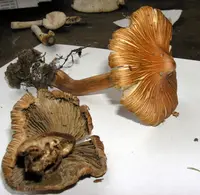
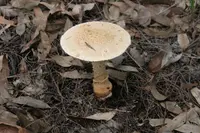
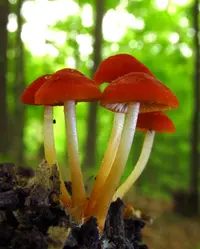
Inocybe godeyi is a small, ground-dwelling mushroom rather than a typical green plant. It belongs to a large group of woodland fungi that form close associations with tree roots. Caps are usually conical to bell-shaped, often fibrous, with pale to brownish tones, and the slender stem supports crowded gills underneath.
This species is reported from temperate woodlands, especially in Europe and parts of North America, where it appears on soil rich in leaf litter. It is not suited to casual home cultivation, and attempts to care for Inocybe godeyi are considered advanced because it depends on living trees and specific soil fungi communities. It generally favors moist, shaded forest conditions and undisturbed, well-drained soils.

Care Difficulty
Hard Care

Light Preference
Partial Shade

Water Requirements
Regular Water

Temperature Preference
Cool Climate

Hardiness Zone
Unknown

Soil Texture
Loamy, Silty, Organic-rich

Soil pH
Slightly acidic (6.5–7.0)

Soil Drainage
Moist but well-drained

Fertilization
Minimal (feed rarely)
Scan your plant to receive care tips personalized for your specific plant
Available on iOS and Android
This ectomycorrhizal woodland mushroom depends on dappled forest light rather than direct sun.
This fungus relies on consistently moist, well‑aerated forest soil rather than direct surface watering.
This species performs best in cool to mild temperate conditions similar to shaded woodland ground.
This ectomycorrhizal mushroom does not require managed air humidity and should be left in natural outdoor conditions.
This fungus relies on natural, undisturbed forest soil rather than a prepared potting mix.
This woodland ectomycorrhizal species is not suitable for container growing because it depends on living tree roots and complex forest soil interactions.
This woodland ectomycorrhizal fungus grows with trees and does not benefit from direct fertilization.
Inocybe godeyi is a wild mycorrhizal mushroom and is not managed through pruning like a garden plant.
This fungus lives in symbiosis with tree roots and is not suited to normal repotting or transplanting.
Reproducing Inocybe godeyi under garden or indoor conditions is highly specialized and rarely attempted by home growers.
This native ectomycorrhizal fungus is naturally cold hardy and typically needs no deliberate winter care in the landscape.

Plant Health Check
Not sure what's wrong with your plant? Check your plant's health inside the app.
The cap and stem tissues often stain violet to bluish when damaged or as they age, a feature that helps separate this species from many other small brown Inocybe mushrooms but is still not reliable enough for safe identification on its own.
This species is most often recorded in woodlands with neutral to calcareous soils, frequently among beech and other broadleaf trees, rather than in strongly acidic habitats where related species dominate.
The fruiting bodies contain significant amounts of the toxin muscarine, which can cause serious cholinergic poisoning, so caring for Inocybe godeyi in collections focuses on safe handling and clear labeling rather than culinary use.
Yes. This mushroom is considered poisonous and should never be eaten. It contains muscarine and related toxins that can cause sweating, nausea, vomiting, diarrhea, visual disturbance, and in severe cases breathing difficulties. Seek medical help after ingestion.
Keep your plants happy and healthy with plant identification, disease detection, and easy care guidance.