Inocybe grammata Care

Inocybe grammata

About Inocybe grammata

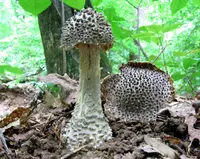
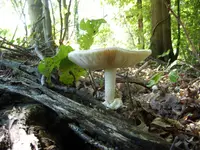
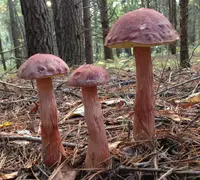
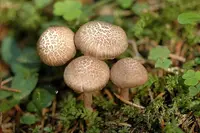
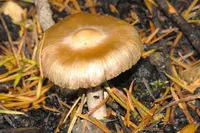
Inocybe grammata is a small, ground-dwelling fungus rather than a typical leafy houseplant. It produces pale to brownish, fibrous caps with slender stems and gills underneath. This mushroom usually appears in woodland habitats, often among leaf litter or near trees, where it forms associations with roots.

It is not suitable as a decorative or edible species and is generally left undisturbed in nature. Conditions that favor it include moist, organic-rich soils and shaded forest environments. For anyone tempted to care for Inocybe grammata, cultivation is not recommended due to its ecological niche and potential risks.

Main Plant Requirements

Care Difficulty

Moderate Care

Light Preference

Partial Shade

Water Requirements

Moderate Water

Temperature Preference

Cool Climate

Hardiness Zone

Unknown

Soil Texture

Loamy, Sandy, Organic-rich

Soil pH

Acidic (5.5–6.5)

Soil Drainage

Well-drained

Fertilization

Minimal (feed rarely)

Get Personalized Care Plan

Scan your plant to receive care tips personalized for your specific plant

Available on iOS and Android

How to Care for the Inocybe grammata

This woodland fungus prefers stable, subdued light conditions rather than open sun exposure.

  • Inocybe grammata fruits best in dappled or filtered light under trees, equivalent to bright shade with no more than 1–2 hours of weak morning sun.
  • Choose locations receiving 6–10 hours of broken canopy light, such as deciduous woodland edges or north- and east-facing slopes.
  • Avoid direct midday and afternoon sun, which dry the upper soil layer too fast and can suppress fruiting bodies, especially in late spring and summer.

This mycorrhizal fungus depends on consistently moist, well-drained soil around its host tree roots.

  • Aim for soil that stays evenly moist in the top 3–5 cm but not saturated; allow the surface to lose its shine before the next irrigation in managed sites.
  • Provide supplemental water during dry spells so the upper soil does not remain powder-dry for more than 2–3 days, especially in late spring to autumn fruiting periods.
  • Watch for standing water, sour smell, or algae crust as signs of poor drainage, and for shrinking, cracked soil as an indicator of prolonged dryness that may limit fruiting.

This species favors cool to mild conditions typical of temperate woodlands.

  • Optimal activity usually occurs around 50–68°F (10–20°C), with fruiting often linked to moist, cool periods in spring and autumn.
  • The fungus tolerates short dips near 32°F (0°C) in soil but active growth slows markedly; hard, prolonged freezes can damage fine mycelial strands near the surface.
  • Temperatures above 77–82°F (25–28°C) combined with dry soil reduce fruiting; maintain shade and soil moisture during hot spells to buffer heat at root level.

Humidity does not play a meaningful role in the natural growth of Inocybe grammata.

This ectomycorrhizal fungus relies on natural woodland soil rather than prepared potting mixes.

  • Prefers undisturbed, humus-rich forest soil with abundant leaf litter and fine organic debris over any artificial blend.
  • Requires consistently moist but not waterlogged conditions, so water should drain freely through the upper soil layers after rain.
  • Thrives in slightly acidic to neutral soil, roughly pH 5.0–7.0, often under broadleaf trees where organic acids accumulate.
  • Avoid compacted, heavily tilled, or chemically treated soils that disrupt the fine root-fungus associations essential for Inocybe grammata care instructions.

This woodland fungus is not suitable for traditional container growing.

This ectomycorrhizal mushroom associates with trees and does not benefit from targeted fertilization like a houseplant or crop.

As a wild ectomycorrhizal fungus, Inocybe grammata is not managed through pruning in the way vascular plants are.

This species occurs naturally in soil with host trees, so cultivation in pots is unusual and transplanting is rarely successful.

  • Avoid disturbing fruiting sites; the visible mushrooms are only the reproductive structures of a larger underground organism.
  • Transplanting typically fails because the fine mycelial network and its tree root associations are easily disrupted.
  • If study or relocation is necessary, move a generous block of surrounding soil and leaf litter with minimal breakage.
  • Maintain similar soil type, moisture, and host tree species at the new site to reduce stress on the fungal partner.

Propagation of this ectomycorrhizal fungus is specialized and not suited to typical home methods.

This soil-dwelling fungus overwinters naturally in the ground and usually needs no specific winter care in its native climate.

Care Tips

Substrate hygiene

Use freshly prepared, well-pasteurized substrate for each batch and discard any previous material to reduce competing fungi and soil-borne pathogens that can outcompete Inocybe grammata mycelium.

Mycelium monitoring

Check colonizing substrate with a clean tool under good light every few days, removing and safely discarding any sections that show off-color molds or unusual odors before they spread.

Tool and container sanitation

Rinse trays, knives, and mixing tools after use, then disinfect with a 10% household bleach solution or 70% alcohol and let them dry completely before the next cycle to limit contamination in caring for Inocybe grammata.

Airflow management

Provide gentle, indirect airflow around colonizing containers using a small fan set on low, aimed away from the substrate, to keep the air from becoming stagnant without drying the surface.

Labeling and timing

Label each container with date, substrate type, and source material so you can track colonization speed, identify successful batches, and adjust future preparation methods based on the most vigorous growth patterns.

Common Pests and Diseases

Mycophagous springtails

These insects feed on fungal tissues and developing fruiting bodies, sometimes tunneling into caps and stems. Symptoms include small surface pits, ragged edges, and reduced quality of the mushrooms.

Solution

Limit constantly saturated substrates, improve surface drainage, and remove heavily damaged fruiting bodies. Use fine mesh or tight lids on culture containers, and if needed apply a biological control such as Beauveria-based products around but not directly on fruiting bodies, always keeping humidity adequate for growing Inocybe grammata.

Sciarid fungus gnats

These insects lay eggs in moist fungal substrates and the larvae feed on mycelium and primordia, slowing or deforming fruiting. Symptoms include weak or collapsing mushrooms and visible tiny black gnats around the culture area.

Solution

Reduce standing water, use well-drained yet moist substrate, and apply a top layer of clean, pasteurized casing to reduce egg-laying. Sticky traps help reduce adult numbers, and a biological larvicide containing Bacillus thuringiensis israelensis (Bti) can be used in the substrate without severely disturbing fungal development.

Mucor and Trichoderma contamination

This disease involves fast-growing competitor molds that overrun the substrate or fruiting site, outcompeting the intended mycelium. Symptoms include cottony white, gray, or bright green mold patches that spread faster than the mushroom mycelium.

Solution

Promptly remove and discard heavily contaminated substrate and avoid disturbing sporulating green patches. Improve hygiene of tools and containers, use properly pasteurized or sterilized substrate, and increase fresh air exchange without strong drafts to keep the fungal environment favorable to Inocybe grammata care while reducing competitor advantage.

Bacterial blotch

This disease appears as slimy, water-soaked, yellowish to brown spots on caps where moisture lingers. Symptoms include sticky or greasy areas that may smell sour and cause the fruiting bodies to break down prematurely.

Solution

Reduce overhead misting and avoid water sitting on caps by using finer mist and increasing gentle air movement. Remove badly affected mushrooms, prevent splashing from soil or substrate onto caps, and keep tools and growing containers clean to limit bacterial spread.

Mite infestations

These pests are tiny arthropods that feed on spores, mycelium, and decaying tissues, sometimes leaving roughened patches or fine pits on caps and stems. Symptoms include slow growth, distorted fruiting bodies, and visible tiny moving dots on the substrate under magnification or strong light.

Solution

Discard heavily infested substrates and clean nearby surfaces thoroughly. Use good hygiene, avoid introducing unpasteurized organic matter, and if needed apply predatory mites sourced for mushroom culture around but not directly on delicate fruiting bodies, while maintaining stable humidity and temperature.

Interesting Facts

Distinctive grooved stipe

The stem of this species typically shows fine longitudinal grooves and a slightly swollen, often somewhat marginate bulb at the base, features that help separate it from many other small, brown Inocybe species in the field.

Oak woodland specialist

This fungus is most frequently documented in association with oak-dominated woodlands in parts of Europe, indicating a preference for particular host trees and soil conditions within temperate forests.

Microscopic identification keys

Reliable identification often requires microscopy, as the combination of smooth, almond-shaped spores, characteristic cystidia (specialized sterile cells), and the grooved stem are important diagnostic traits for separating it from closely related taxa.

FAQs about Inocybe grammata

This fungus is considered poisonous and should never be eaten. It can contain muscarine-like toxins that affect the nervous system, causing sweating, salivation, vomiting, and other symptoms. Keep children and pets from handling or ingesting it.

Grow Healthy Plants with Botan Care

Keep your plants happy and healthy with plant identification, disease detection, and easy care guidance.

Botan plant care app — identify plants on mobile

Explore More Plants