Substrate rotation
Rotate the woody debris or leaf-litter layer used for cultivation every 12–18 months by adding fresh, partially decomposed hardwood chips and removing spent material so the fungus always has an active food source.

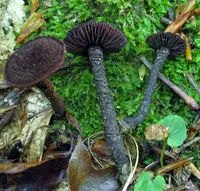
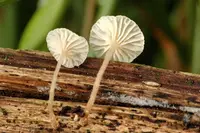
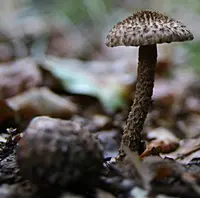
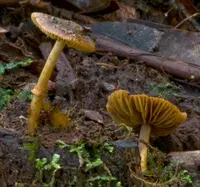
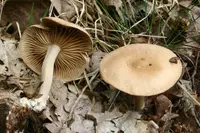
Inocybe tahquamenonensis is a small, gilled mushroom rather than a traditional ornamental plant. It forms short, slender stems with modest caps, often in brownish tones. The fruiting bodies appear on soil, usually in forested habitats.
This species is associated with woodland ecosystems in North America, where it grows on the ground among leaf litter and tree roots. It is not commonly cultivated, and its specialized ecological needs make it unsuitable for typical home growing. For this reason, guides on how to care for Inocybe tahquamenonensis are scarce, and it is generally observed in nature rather than managed as a garden or indoor species.

Care Difficulty
Hard Care

Light Preference
Partial Shade

Water Requirements
Moderate Water

Temperature Preference
Cool Climate

Hardiness Zone
Unknown

Soil Texture
Loamy, Sandy, Organic-rich

Soil pH
Acidic (5.5–6.5)

Soil Drainage
Moist but well-drained

Fertilization
Minimal (feed rarely)
Scan your plant to receive care tips personalized for your specific plant
Available on iOS and Android
This fungus is naturally adapted to shaded forest conditions with brief, filtered sun exposure.
This mycorrhizal fungus depends on consistently moist, well-drained soil around its host tree roots.
This species prefers cool to moderate conditions typical of temperate forests and shows limited tolerance to extremes.
This fungus prefers consistently moist air and substrate, so low humidity can limit fruiting.
This ectomycorrhizal fungus relies on naturally structured forest soil rather than a standard potted mix.
This species is not well suited to long-term container growing, as it depends on symbiosis with tree roots in natural soil.
This wild ectomycorrhizal fungus does not need fertilizing when growing in natural soil with host trees.
Pruning is not applicable to Inocybe tahquamenonensis, as it is a small wild mushroom rather than a horticultural plant.
This species is not suited to conventional repotting or transplanting because it depends on symbiosis with tree roots.
Intentional propagation of this wild, ectomycorrhizal species is technically complex and rarely attempted outside research settings.
No active winter care is needed, as this wild fungus overwinters naturally in soil as mycelium in suitable climates.

Plant Health Check
Not sure what's wrong with your plant? Check your plant's health inside the app.
This species was originally described from collections made near the Tahquamenon River in Michigan, and its name directly refers to that locality, indicating a very narrow known distribution.
Current published records place this mushroom only in specific forest habitats of the Great Lakes region, suggesting it may be regionally rare or highly habitat-restricted.
This fungus is considered poisonous. Many Inocybe species contain muscarine, a toxin that affects the nervous system and can cause sweating, salivation, vomiting, and breathing difficulty. It must never be eaten by pets or humans.
Keep your plants happy and healthy with plant identification, disease detection, and easy care guidance.