Rhizome Division Timing
Lift and divide rhizomes every 3–4 years in late summer after flowering, trimming leaves to 10–15 cm to reduce stress and encourage vigorous regrowth.

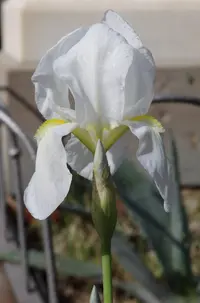
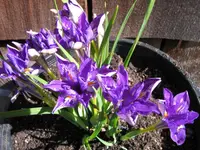
Iris florentina, often called Florentine iris, is a rhizomatous perennial grown mainly for its fragrant, pale bluish-white flowers. It forms clumps of upright, sword-like leaves with tall, elegant flower stalks in the flowering season.
This species is associated with Mediterranean regions and has long been cultivated in Europe for ornamental and aromatic uses. It is generally robust in temperate climates, provided it receives good light and a well-drained soil.
Once established, it tolerates short dry periods but dislikes waterlogged conditions, which can rot the rhizomes. Overall, it is considered a manageable garden iris, especially if you learn how to care for Iris florentina in basic garden settings.

Care Difficulty
Moderate Care

Light Preference
Full Sun

Water Requirements
Moderate Water

Temperature Preference
Cold Hardy

Hardiness Zone
4–9

Soil Texture
Sandy, Loamy, Rocky

Soil pH
Slightly acidic (6.5–7.0), Slightly alkaline (7.0–7.5)

Soil Drainage
Well-drained

Fertilization
Minimal (feed rarely)
Scan your plant to receive care tips personalized for your specific plant
Available on iOS and Android
This bearded iris prefers bright, direct sun to produce strong growth and good flowering.
This rhizomatous iris needs careful watering to avoid rot while still supporting active growth.
This hardy iris tolerates a wide temperature range but performs best with cool winters and mild to warm growing seasons.
This species handles a wide humidity range and rarely needs special humidity management outdoors.
This rhizomatous iris prefers mineral, well-aerated ground that drains very quickly after rain or watering.
This species can grow in containers if the pot mimics shallow, sharply drained ground conditions.
Feeding supports strong rhizomes and flowering in Iris florentina grown in typical garden soils or containers.
Thoughtful pruning keeps Iris florentina healthy, tidy, and flowering well.
Dividing and transplanting Iris florentina maintains vigor and flowering over time.
Division is the standard method for increasing Iris florentina while keeping plants true to type.
Established Iris florentina plants are generally cold hardy in temperate climates and need only modest winter care.

Plant Health Check
Not sure what's wrong with your plant? Check your plant's health inside the app.
The thick rhizomes of this species are a traditional source of orris root, a fragrant material that develops a violet-like scent only after being dried and aged for several years.
Dried rhizomes from this plant were used in ancient Mediterranean perfumery and cosmetics, and are still used in some high-end perfumery today for their fixative properties, which help stabilize other fragrances.
This bearded iris has been linked historically to the origin of the fleur-de-lis emblem in parts of Europe, where pale irises similar to this species were associated with royalty and heraldic symbols.

In some traditional practices, finely ground orris root from this species was used as a scenting and dusting powder for gloves, linens, and even wigs, because its dry, slowly released fragrance could persist for many years without becoming overpowering.
Poor flowering usually comes from overcrowded rhizomes, too much shade, or nutrient imbalance. Divide clumps every 3–4 years, ensure at least 6 hours of sun, avoid heavy nitrogen, and keep rhizome tops exposed, not buried.
Keep your plants happy and healthy with plant identification, disease detection, and easy care guidance.