Rhizome exposure
When planting or dividing, set rhizomes so the top is just at or slightly above the soil surface to reduce rot and promote strong flowering clumps.

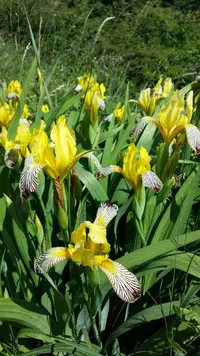
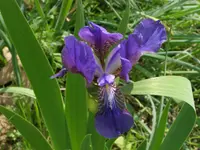
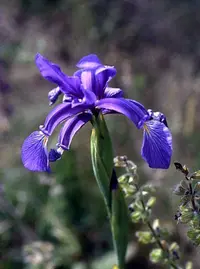
Hungarian iris, Iris variegata, is a hardy rhizomatous perennial grown mainly for its striped foliage and showy spring flowers. It forms clumps of upright leaves with distinctive light and dark banding, topped by bicolored blooms in shades of cream, yellow, and purple.
This species is native to central and eastern Europe, where it grows in sunny, open habitats with well-drained soils. It is generally considered easy to grow if given good drainage and plenty of light, so learning how to care for Hungarian iris is straightforward for most gardeners.

Care Difficulty
Moderate Care

Light Preference
Full Sun

Water Requirements
Moderate Water

Temperature Preference
Cold Hardy

Hardiness Zone
3–8

Soil Texture
Sandy, Loamy, Rocky

Soil pH
Slightly acidic (6.5–7.0), Slightly alkaline (7.0–7.5)

Soil Drainage
Well-drained

Fertilization
Minimal (feed rarely)
Scan your plant to receive care tips personalized for your specific plant
Available on iOS and Android
This sun-loving perennial needs strong light to flower and maintain its distinctive foliage.
This rhizomatous iris prefers slightly dry to moderately moist soil rather than constant wetness.
This hardy species tolerates a wide temperature range but performs best with cool to warm conditions.
This species is adapted to temperate outdoor conditions and typically does not need special humidity control.
Iris variegata prefers free-draining, mineral-rich ground that never stays waterlogged.
This iris can be grown in containers outdoors if the potting setup prevents rhizome rot.
Iris variegata benefits from moderate feeding during the active growing season in well-drained soil.
Iris variegata benefits from light, targeted pruning to maintain vigor and flowering quality.
This iris is usually grown in the ground, so focus on dividing and transplanting clumps rather than frequent repotting.
Iris variegata is most commonly propagated by division, which keeps variegation and flowering traits consistent.
This hardy bearded iris type usually needs minimal winter care in most temperate climates.

Plant Health Check
Not sure what's wrong with your plant? Check your plant's health inside the app.
This species is naturally restricted to dry, sunny grasslands and open oak forests of central and southeastern Europe, where it is an indicator of long‑established, relatively undisturbed steppe habitats.
Its flowers are typically pale yellow or whitish on the upper petals with deep purple‑brown veining and bands on the lower petals, a distinctive bicolored pattern that helps distinguish it from many other wild irises in the region.
It spreads slowly by short, thick rhizomes that form dense clumps over time, allowing populations to persist for many years in the same grassland patches without becoming aggressively invasive.

Iris variegata was one of the early wild bearded irises used in 19th‑ and early 20th‑century breeding, and its characteristic banded flower pattern influenced the color forms of many modern bearded iris cultivars.
Lack of flowers is usually caused by too much shade, overcrowded rhizomes, or planting the rhizomes too deep. Excess nitrogen fertilizer and very young divisions can also delay flowering until the plant rebuilds energy reserves.
Keep your plants happy and healthy with plant identification, disease detection, and easy care guidance.