Blue Iris Care (Iris spuria)

Also known as: seashore iris, Butterfly Iris
Blue Iris

About Blue Iris

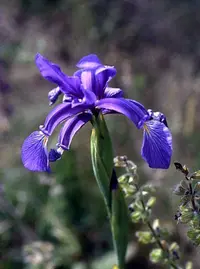
Blue iris, Iris spuria, is a hardy rhizomatous perennial grown for its tall, elegant stems and narrow, upright leaves. It produces showy blue to violet flowers with a refined, slender form. Native to parts of Europe, North Africa, and western Asia, it typically grows in open grasslands and light woodlands. The plant forms clumps over time, making it suitable for mixed borders and naturalistic plantings. Iris spuria is generally considered moderately easy to grow if its need for sun, well-drained soil, and consistent but not waterlogged moisture is respected. Gardeners who learn how to care for Blue Iris often value its durability and long-lived clumps.

Main Plant Requirements

Care Difficulty

Moderate Care

Light Preference

Full Sun

Water Requirements

Moderate Water

Temperature Preference

Cold Hardy

Hardiness Zone

4–9

Soil Texture

Sandy, Loamy, Clay

Soil pH

Slightly acidic (6.5–7.0), Slightly alkaline (7.0–7.5)

Soil Drainage

Moist but well-drained

Fertilization

Minimal (feed rarely)

Get Personalized Care Plan

Scan your plant to receive care tips personalized for your specific plant

Available on iOS and Android

How to Care for the Blue Iris

Iris spuria thrives in bright, open conditions with plenty of direct sun for strong flowering.

  • Provide 6–8 hours of direct sun daily; full sun is ideal, especially in spring and early summer for abundant blooms.
  • Tolerates light afternoon shade in hotter regions, with morning sun and filtered light after 2–3 p.m. helping prevent leaf scorch.
  • In shade below 4–5 hours of sun, plants elongate, flower less, and become prone to fungal issues, so choose the sunniest, unshaded spot for caring for Blue Iris.

Iris spuria prefers moderately moist, well-drained soil and does not like standing water.

  • Water when the top 3–5 cm of soil feels dry after pressing firmly; moist but not soggy soil supports healthy rhizomes.
  • Use free-draining soil or a bed that sheds excess water; persistent puddling or a sour smell indicates poor drainage and risk of root rot.
  • Reduce watering once foliage yellows and growth slows after flowering; dry, curling leaves signal underwatering, while soft, yellowing fans suggest excess moisture.

This species is a hardy garden iris that tolerates a broad temperature range once established.

  • Active growth and flowering occur best at 60–75°F (16–24°C), with strong performance in typical spring and early summer conditions.
  • Established clumps usually tolerate winter lows down to about 0–5°F (-18 to -15°C) with mulch, but young plants benefit from protection in severe cold.
  • In hot summers, plants handle 85–95°F (29–35°C) if soil moisture is stable; prolonged heat above this, combined with drought, can stress foliage and reduce next year’s bloom.

Iris spuria handles a wide humidity range and rarely needs special humidity management outdoors.

Iris spuria prefers deep, well-structured mineral soil that drains freely yet retains some moisture.

  • Use a moderately loamy to sandy soil with stable structure so water moves through but roots do not dry instantly.
  • Aim for slightly acidic to neutral pH, roughly 6.5–7.2, which supports nutrient uptake and healthy rhizome growth.
  • Blend garden loam with coarse sand and a small amount of mature compost to improve both drainage and nutrient availability.
  • Avoid heavy, compacted clay or waterlogged beds; raise the planting area or add sharp sand and grit to increase aeration.

This species can be grown in containers if the pot is large, deep, and drains very efficiently.

  • Choose a heavy, tall container to anchor the plant’s upright foliage and prevent tipping in wind.
  • Fill the pot with a gritty, fast-draining mix and keep the rhizome near the surface to reduce rot risk.
  • Elevate the container slightly on feet or bricks so drainage holes stay clear and excess water exits quickly.

This rhizomatous perennial benefits from moderate feeding to support flowering on most garden soils.

  • Apply a balanced granular or slow-release fertilizer (around 10-10-10) at 1/2 label strength in early spring as new growth starts.
  • Repeat a light feeding once more after flowering if soil is poor; skip on rich, well-amended beds when caring for Blue Iris.
  • Use compost or well-rotted manure as a thin topdress, keeping it off the rhizomes to avoid rot.
  • Stop fertilizing in late summer so Iris spuria can harden off and enter dormancy without soft, vulnerable growth.

This species benefits from light, well-timed pruning to keep clumps healthy and flowering well.

  • In late fall, cut back yellowing or dead foliage to 5–8 cm above ground using clean, sharp shears.
  • During the growing season, remove spent flower stalks down to the base to direct energy into rhizomes rather than seed.
  • Thin out weak, damaged, or crowded fans every few years to improve air circulation and reduce foliar disease.
  • Avoid cutting fresh green leaves hard in summer, as they are still photosynthesizing and feeding the rhizomes of Iris spuria.

This iris is usually grown in the ground and benefits most from occasional lifting and transplanting of crowded clumps.

  • Plan to divide and transplant every 4–5 years when flowering declines or centers of clumps thin out.
  • Best timing is late summer to early fall, after flowering, so roots can re-establish before winter.
  • Lift clumps carefully with a fork, separate healthy firm rhizomes with several fans, and trim foliage to 10–15 cm to limit stress.
  • Replant rhizomes shallowly in well-drained soil, water thoroughly, and keep evenly moist for several weeks to encourage new root growth.

This iris is most commonly propagated by division, with seed used mainly for breeding or patient gardeners.

  • Divide mature clumps in late summer to early fall, when soil is warm and flowering has finished.
  • Select firm, disease-free rhizomes with at least 1–2 strong leaf fans, trimming foliage to reduce water loss.
  • Replant divisions at the same depth in free-draining soil, spacing 30–40 cm apart, and water well until established.
  • For seeds, sow fresh in pots outdoors, allow natural cold stratification over winter, and expect variable seedlings.

Established plants are cold hardy in most temperate climates and need only modest winter care in the ground.

  • Tolerates typical winter frosts once established, especially in well-drained soil that prevents rhizome rot.
  • After foliage dies back, cut it down and remove debris to reduce overwintering pests and diseases.
  • Apply a light mulch layer around, but not directly over, the rhizomes in colder zones to buffer freeze–thaw cycles.
  • For container-grown plants in cold regions, move pots to a sheltered, unheated but frost-sheltered spot and avoid waterlogged compost.

Care Tips

Rhizome Depth Check

Plant rhizomes so the tops sit just 2–3 cm below the soil surface, and every 3–4 years gently scrape back or top up soil so they stay shallow enough to stay firm yet avoid sunscald.

Clump Renewal Division

Every 4–5 years in late summer, lift and divide crowded clumps, discarding woody or hollow rhizomes and replanting only firm, pencil-thick pieces with several healthy fans to maintain flowering performance when growing Blue Iris.

Targeted Weed Exclusion

Use a thin, 2–3 cm layer of mineral mulch such as grit or small gravel around but not over the rhizomes to suppress weeds while keeping the crown dry and well aerated.

Staking For Cut Stems

Before tall stems bud up, insert slender, discreet stakes on the windward side and tie loosely with soft ties so flowers stay upright and uncreased for both display and cutting.

Seasonal Foliage Hygiene

In late autumn, remove and bin any yellowed, spotted, or dead foliage from around the clump to reduce overwintering fungal spores and iris borer shelter, keeping new growth cleaner in spring.

Common Pests and Diseases

Iris borer

This pest is the larva of a moth that tunnels into leaves and rhizomes, causing wilting fans, ragged leaf holes, and mushy rhizomes with sawdust-like frass. Symptoms include yellowing foliage from the tips downward and a strong rotting smell in badly damaged clumps.

Solution

Cut and destroy old foliage and plant debris in fall to remove overwintering eggs, and in spring inspect fans for early leaf entry holes, then remove and discard affected leaves. In regions where borers are common, use a targeted systemic insecticide labeled for iris borers at early shoot emergence and repeat as directed, and divide and discard severely infested rhizomes to limit spread.

Leaf spot

This disease, often caused by the fungus Didymellina macrospora, produces small water-soaked lesions that enlarge into brown spots with darker margins on leaves. Symptoms include premature leaf yellowing and dieback, which weakens the clump and can reduce flowering over time.

Solution

Remove and discard spotted or dead leaves promptly and avoid overhead watering to keep foliage dry, especially in the evening. In plantings with a history of leaf spot, increase spacing and airflow, apply a mulch that does not touch the fans, and consider a preventive fungicide labeled for iris leaf spot at the first sign of new growth in spring if cultural measures are not sufficient.

Rhizome soft rot

This disease, commonly caused by bacterial infection such as Erwinia, leads to soft, foul-smelling rhizomes that can collapse and detach from the roots. Symptoms include drooping fans, sunken areas on the rhizome surface, and a watery, slimy interior when cut open.

Solution

Lift affected clumps, cut out and discard all soft or discolored tissue, then allow firm rhizome pieces to dry for 1–2 days in a shaded, airy place before replanting in sharply drained soil. Avoid deep planting and excess irrigation, ensure good sun exposure and airflow, and disinfect cutting tools between plants with a 10% bleach solution or 70% alcohol to reduce reinfection.

Aphids

These insects feed on sap from leaves and flower stalks, leading to curled, distorted new growth and sticky honeydew that can attract sooty mold. This pest can also transmit plant viruses, which may cause mottling or streaking on iris foliage or flowers.

Solution

Wash colonies off foliage with a strong but controlled stream of water and remove heavily infested stems if practical. Encourage natural predators such as lady beetles, avoid high-nitrogen fertilization that promotes soft growth, and if needed use an insecticidal soap or horticultural oil applied thoroughly to both sides of the leaves, repeating as the label directs.

Iris mosaic virus

This disease causes light and dark streaking, mottling, or mosaic patterns on leaves and sometimes on flowers, with plants gradually losing vigor and bloom quality. Symptoms include distorted or streaked petals that may appear off-color compared to healthy plants.

Solution

Remove and destroy symptomatic plants, including rhizomes, since viral infections cannot be cured and serve as a source of further spread. Control aphids and other sap-sucking insects that vector the virus, and always use clean tools and virus-free propagation material when dividing or expanding plantings to maintain healthy stands of Iris spuria.

Interesting Facts

Salt-tolerant wetland specialist

Iris spuria naturally occurs in seasonally wet habitats and shows notable tolerance to saline and alkaline soils, which allows it to persist in marginal sites where many other irises decline.

Unbranched flowering stems

Unlike many bearded irises, Iris spuria typically produces tall, erect, unbranched flowering stems bearing several blooms in succession, giving a vertical, reed-like appearance in the landscape.

Deep, searching root system

This species develops a relatively deep and dense rhizome and root system that helps it access moisture from lower soil layers, making established clumps comparatively resilient to short dry periods despite their wetland origin.

Botan icon

Did you know?

Historically in parts of Europe, dried and processed rhizomes of Iris spuria were used as a less aromatic but more readily available substitute for the prized orris root obtained from Iris germanica and related species, especially in small-scale perfumery and scenting of household items.

FAQs about Blue Iris

Lack of flowers usually comes from too much shade, crowded rhizomes, or nutrient imbalance, especially excess nitrogen. Dividing clumps every 3–4 years and using a balanced, low-nitrogen fertilizer often restores flowering.

Grow Healthy Plants with Botan Care

Keep your plants happy and healthy with plant identification, disease detection, and easy care guidance.

Botan plant care app — identify plants on mobile

Explore More Plants