Rocky Mountain iris Care (Iris missouriensis)

Also known as: western blue flag, Missouri flag
Rocky Mountain iris

About Rocky Mountain iris

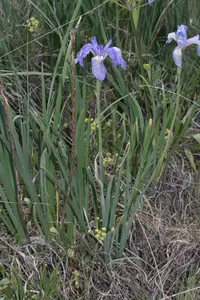
Rocky Mountain iris (Iris missouriensis) is a hardy, clump-forming perennial native to western North America, especially mountain meadows and open, moist grasslands. It produces upright, sword-like leaves and elegant blue to violet flowers with yellow and white markings in late spring to early summer.

Plants spread slowly by rhizomes, forming small colonies that return reliably each year when site conditions are suitable. They prefer full sun to light shade, with moist, well-drained soil.

This species is relatively low-maintenance once established, but it resents prolonged drought or waterlogged roots. Understanding these basic needs makes it easier to care for Rocky Mountain iris in a home garden setting.

Main Plant Requirements

Care Difficulty

Moderate Care

Light Preference

Full Sun

Water Requirements

Regular Water

Temperature Preference

Cold Hardy

Hardiness Zone

3–8

Soil Texture

Loamy, Silty, Organic-rich

Soil pH

Acidic (5.5–6.5), Slightly acidic (6.5–7.0)

Soil Drainage

Moist but well-drained

Fertilization

Minimal (feed rarely)

Get Personalized Care Plan

Scan your plant to receive care tips personalized for your specific plant

Available on iOS and Android

How to Care for the Rocky Mountain iris

Iris missouriensis thrives in bright, open sites that mimic sunny mountain meadows.

  • Provide 6–8 hours of direct sun daily; in hotter lowland areas, prioritize morning sun with light afternoon shade to prevent leaf scorch.
  • Accepts light partial shade (3–4 hours sun), but flowering decreases and stems may flop if shade is too dense or prolonged.
  • In summer, protect Rocky Mountain iris from reflected heat off walls or pavement; in spring and fall, ensure plants are not shaded out by taller perennials or shrubs.

This species prefers evenly moist but not saturated soil, especially during active growth and flowering.

  • In spring and early summer, water when the top 3–5 cm of soil feels dry, allowing moisture to reach the root zone without creating puddles.
  • Choose soil or a site with good drainage; persistent soggy conditions cause rhizome rot, yellowing leaves, and a sour smell in the root area.
  • Reduce watering in late summer and fall once Iris missouriensis foliage begins to yellow, but do not let the soil stay bone-dry for long periods in hot, windy weather.

This iris is a cold-hardy native adapted to climates with cool to cold winters and moderate summers.

  • Optimal growth occurs around 55–75°F (13–24°C), with strong spring growth in cooler conditions and flowering before peak summer heat.
  • Established clumps typically tolerate winter lows down to about -20°F (-29°C) when planted in the ground with good drainage.
  • In hot spells above 90°F (32°C), growth can stall and leaf tips may brown, so provide mulch to cool the root zone and avoid reflected heat exposures.

This species is adapted to variable outdoor humidity and usually does not need special adjustment in gardens.

Iris missouriensis prefers cool, moist, sharply draining soil that mimics mountain meadow conditions.

  • Use a sandy or gravelly loam with 30–40% coarse mineral material to prevent waterlogging around rhizomes.
  • Incorporate 20–30% well-rotted compost to improve water retention without making the mix dense or heavy.
  • Aim for slightly acidic to neutral pH, around 6.0–7.0, avoiding strongly alkaline or salty substrates.
  • Avoid compacted clay and peat-heavy mixes; if soil is heavy, blend in coarse sand or fine gravel to improve aeration.

This iris can be grown in containers outdoors, but only in deep, very free-draining pots that stay cool.

  • Choose a tall, heavy container that provides at least 25–30 cm root depth and will not tip in wind as foliage elongates.
  • Use a mineral-rich, gritty mix and raise the pot on feet or bricks so drainage holes never sit in standing water.
  • Place the container where sun reaches the top of the root zone but the pot sides are shaded or light-colored to reduce overheating.

Iris missouriensis grows well in lean soils and needs only light feeding to maintain healthy flowering.

  • Apply a thin layer of compost or well-rotted manure around clumps in early spring before new growth emerges.
  • Use a balanced slow-release fertilizer (around 10-10-10) at half strength once in spring if soil is poor.
  • Avoid feeding during summer dormancy or winter, as excess nutrients can reduce flowering and stress Rocky Mountain iris.
  • Always water after applying fertilizer to move nutrients into the root zone and prevent root burn.

Pruning Iris missouriensis is simple and aims to maintain vigor, reduce disease, and keep clumps tidy.

  • In late spring to early summer, deadhead spent flower stalks at the base to direct energy back to the rhizomes.
  • Remove yellowing, dead, or damaged leaves with clean, sharp pruners to improve air flow and reduce fungal issues.
  • In fall, cut back foliage to 5–10 cm above the soil once it browns naturally, keeping the plant neat over winter.
  • Avoid heavy shaping; light, precise cuts preserve the natural form while supporting strong flowering next season.

Transplanting Iris missouriensis focuses on rejuvenating crowded clumps rather than frequent container repotting.

  • Look for signs like reduced flowering, dense crowded fans, or bare centers as cues to divide and transplant.
  • Plan division and transplanting for late summer to early fall, about every 3–5 years, after flowering has finished.
  • Lift clumps carefully, then separate healthy firm rhizomes, trimming damaged roots and discarding soft or diseased pieces.
  • Replant rhizomes shallowly in well-drained soil, water thoroughly, and shade lightly for a few days to reduce transplant stress.

Propagation of Iris missouriensis is most reliable by division, with seed used mainly for larger restoration or breeding projects.

  • Divide mature clumps in late summer to early fall, when soil is still warm but flowering has finished.
  • Use a clean knife or spade to separate firm rhizomes, each with several healthy fans and roots attached.
  • Replant divisions immediately in well-drained soil, spacing 25–30 cm apart, then water deeply to settle soil around roots.
  • For seeds, sow in pots outdoors in fall to allow natural cold stratification, keeping the medium evenly moist but not waterlogged.

Iris missouriensis is generally cold hardy in much of North America and needs minimal winter care in the ground.

  • After foliage dies back, leave rhizomes in place; they tolerate typical freezing conditions in USDA zones suited to the species.
  • Apply a light mulch layer (2–5 cm) over the root zone in colder areas, keeping mulch off the rhizomes to prevent rot.
  • In containers, move pots to a sheltered, unheated but frost-free or slightly protected area to reduce freeze–thaw stress on roots.
  • Avoid heavy winter watering; keep soil just barely moist so rhizomes do not desiccate or remain waterlogged.

Care Tips

Mark Dormant Clumps

Place discreet plant labels or stones where clumps grow so you avoid digging or tilling into them while the foliage is fully dormant in late summer and fall.

Encourage Clump Renewal

Every 4–5 years, lift and divide crowded clumps in late summer after flowering has finished, replanting only the youngest, firm rhizomes to maintain strong bloom and reduce disease pressure.

Control Seed Spread

Deadhead spent flower stalks before seed pods mature if you want to keep plants in defined drifts rather than having self-sown seedlings appear in nearby beds or naturalized areas.

Protect From Tall Neighbors

In mixed borders, plant taller, dense species on the north or east side so they do not shade or physically crowd the foliage, which prefers open exposure and good air movement when you are growing Rocky Mountain iris.

Streamside Planting Strategy

In rain gardens or near seasonal streams, position plants on slightly raised mounds or the upper edges of swales so the rhizomes stay moist but are not submerged during peak runoff.

Common Pests and Diseases

Iris borer

This pest is the larva of a moth that tunnels into leaves and rhizomes, causing streaked foliage, wilting fans, and internal rot. Symptoms include ragged leaf tips, hollowed rhizomes, and foul-smelling decay.

Solution

Cut and destroy any affected leaves and rhizomes as soon as tunneling or rot is seen, and clean up all dead foliage in fall to remove overwintering eggs. In areas where iris borers are common, inspect clumps in early spring and hand-crush larvae in leaf bases, or use a targeted soil-applied or systemic insecticide labeled for iris borers just as new growth starts, following label directions carefully.

Bacterial soft rot

This disease causes mushy, foul-smelling rhizomes that may appear water-soaked and brown, with leaves yellowing or collapsing from the base. Symptoms include easy-to-break, slimy tissue and a strong odor when rhizomes are squeezed.

Solution

Dig up affected rhizomes, cut away all soft tissue with a clean knife, and discard severely decayed pieces in the trash. Replant only firm, healthy sections in well-drained soil, spacing rhizomes so air can move between fans, and avoid overwatering or burying rhizomes too deeply to support Iris missouriensis care instructions in long-term plantings.

Leaf spot

This disease produces tan to brown spots with darker edges on leaves, which can merge into larger dead patches and cause premature browning. Symptoms include spotted foliage that may die back from the tips in humid or wet conditions.

Solution

Remove and discard heavily spotted leaves to reduce spread, and avoid overhead watering so foliage dries quickly. If the problem repeats yearly, improve spacing and airflow around plants, and apply a labeled fungicide for iris leaf spot early in the season when new leaves emerge, following instructions closely.

Aphids

These insects gather on young leaves and flower stems, sucking sap and causing curling, distortion, and sticky honeydew that can attract sooty mold. This pest also weakens plants under drought or heat stress and may reduce flowering.

Solution

Spray colonies off plants with a firm stream of water, repeating every few days until numbers drop. For persistent infestations, use insecticidal soap or a neem oil product labeled for ornamental plants, coating leaf undersides and stems, and encourage natural predators like lady beetles by avoiding broad-spectrum insecticides nearby.

Slugs and snails

These pests chew irregular holes in leaves and young shoots, often leaving slime trails and damage that is worst in moist, shaded spots. Symptoms include shredded leaf edges and missing sections of tender growth, especially after rainy weather.

Solution

Hand-pick slugs and snails in the evening or early morning and dispose of them, and reduce hiding spots by removing dense debris and thick mulch around clumps. In wetter gardens, place iron phosphate slug bait around but not on the rhizomes, and maintain slightly drier surface soil to make the site less favorable to these pests.

Interesting Facts

Mountain meadow specialist

This species is native to moist mountain meadows and stream edges across the western United States, often forming scattered clumps in habitats that experience spring snowmelt followed by summer drying.

Distinctive seed capsules

Its seed capsules are elongated and three-angled, splitting open along three seams to release rows of flattened, brown seeds that often remain visible on dried stalks well into late summer.

Early pollinator resource

The flowers typically appear in late spring to early summer and provide nectar and pollen for native solitary bees and early-flying bumblebees in high-elevation and montane ecosystems.

Botan icon

Did you know?

Iris missouriensis can reproduce both by seed and by slowly spreading rhizomes, allowing single plants to form loose, long-lived clumps that may persist in the same meadow site for decades without becoming aggressively invasive.

FAQs about Rocky Mountain iris

Lack of flowering usually comes from too much shade, overcrowded clumps, or nutrient‑rich, wet soil. Divide congested plants every 3–5 years, keep rhizomes near soil surface, and avoid heavy fertilizing, especially high‑nitrogen products.

Grow Healthy Plants with Botan Care

Keep your plants happy and healthy with plant identification, disease detection, and easy care guidance.

Botan plant care app — identify plants on mobile

Explore More Plants