tansy ragwort Care (Jacobaea vulgaris)

Also known as: ragwort, common ragwort, stinking Willie, Tansy
tansy ragwort

About tansy ragwort

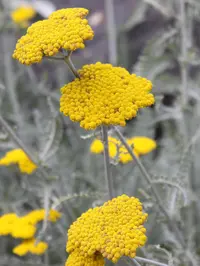
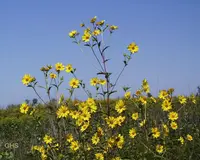
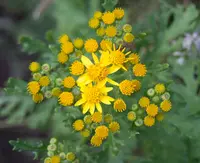
Tansy ragwort, Jacobaea vulgaris, is a short-lived perennial or biennial herb in the daisy family. It often behaves as a weed in disturbed ground and pastures. The plant forms a basal rosette of leaves in its first year, then sends up upright, branched stems with clusters of bright yellow, daisy-like flower heads. It typically grows in temperate regions, especially in Europe and many introduced areas such as parts of North America. Jacobaea vulgaris spreads easily by seed and can quickly colonize open, sunny sites, which makes it persistent but also invasive in some regions. It generally prefers full sun and well-drained, moderately moist soils, and those conditions make it relatively simple to care for tansy ragwort in cultivation, where allowed.

Main Plant Requirements

Care Difficulty

Easy Care

Light Preference

Full Sun

Water Requirements

Moderate Water

Temperature Preference

Cold Hardy

Hardiness Zone

6–9

Soil Texture

Sandy, Loamy, Clay

Soil pH

Slightly acidic (6.5–7.0), Neutral (7.0)

Soil Drainage

Well-drained

Fertilization

Minimal (feed rarely)

Get Personalized Care Plan

Scan your plant to receive care tips personalized for your specific plant

Available on iOS and Android

How to Care for the tansy ragwort

Jacobaea vulgaris thrives in open, bright conditions that mimic sunny meadows and roadsides.

  • Provide full sun for 6–8 hours per day; it tolerates light afternoon shade, especially in hotter regions.
  • Plants in partial shade (3–4 hours direct sun) grow taller and looser, with fewer flowers and weaker stems.
  • Excessive dry heat with intense afternoon sun can scorch foliage, while too much shade leads to sparse blooms and lanky tansy ragwort, so adjust exposure seasonally.

Jacobaea vulgaris prefers moderately moist, well-drained soil and does not tolerate prolonged saturation.

  • Allow the top 3–5 cm of soil to dry before watering; in the ground, rely mainly on rainfall and supplement only during extended dry spells.
  • In summer drought, watch for drooping leaves and dry, crumbly soil as cues to water deeply, then let excess drain away fully.
  • Yellowing, soft stems or a sour smell indicate overwatering or poorly drained soil, so improve drainage rather than increasing watering frequency.

This species is a hardy biennial adapted to temperate climates with cool to mild temperatures.

  • Optimal growth occurs around 60–75°F (16–24°C), with vigorous rosettes in cool spring and fall weather.
  • Plants typically tolerate down to about 10–15°F (-12– -9°C) in the rosette stage, but young seedlings are more sensitive and benefit from protection from hard frost.
  • Mature flowering plants cope with summer heat up to about 85–90°F (29–32°C) if soil moisture is adequate, but prolonged extreme heat can shorten blooming and stress the foliage.

Humidity is not a major factor for Jacobaea vulgaris, which adapts well to typical outdoor air levels.

Jacobaea vulgaris thrives in relatively poor, well-drained mineral soils rather than rich, moisture-retentive substrates.

  • Use a sandy or sandy-loam soil with low to moderate organic matter to prevent excessive vigor and lodging.
  • Ensure free drainage; mix in coarse sand or fine grit if the native soil is compacted or holds water for more than a day after rain.
  • Aim for slightly acidic to neutral pH around 6.0–7.0, avoiding strongly acidic or alkaline sites that limit nutrient uptake.
  • Avoid heavy clay, peat-heavy, or constantly wet soils, which increase root disease risk and encourage unwanted spread.

This species can be grown in containers, mainly for controlled management rather than ornamental display.

  • Choose a deep, heavy container that resists tipping, as flowering stems can become tall and wind-sensitive.
  • Use a fast-draining, sandy mix so water moves quickly through the root zone and does not pool at the base.
  • Place the pot where runoff cannot reach soil or drains, as seeds readily escape and establish beyond the container.

Jacobaea vulgaris is a nutrient-efficient wild species that usually needs no added fertilizer in the ground.

Jacobaea vulgaris benefits from light, targeted pruning to limit spread and manage flowering.

  • Cut back flower stems just after blooming to reduce self-seeding and control spread.
  • Remove dead, diseased, or storm-damaged stems at the base using clean, sharp pruners.
  • Thin crowded shoots in dense patches to improve light penetration and airflow.
  • Wear gloves and bag seed heads if managing invasive spread in pastures or natural areas.

Transplanting is more relevant than repotting, as this species is usually grown outdoors rather than as tansy ragwort indoor care.

  • Transplant seedlings or young rosettes in early spring or early fall when soil is moist and temperatures are mild.
  • Choose a sunny, free-draining site; avoid moving mature plants with deep or extensive root systems.
  • Water thoroughly before and after transplanting to reduce root stress and help soil settle around roots.
  • Handle the root ball gently, disturbing roots as little as possible to limit transplant shock.

Jacobaea vulgaris spreads readily from seed and is usually propagated by controlled seeding rather than vegetative methods.

  • Collect seed heads when dry and fluffy, then store in a paper bag until sowing.
  • Sow seeds in late summer or early fall on the soil surface or just lightly covered in well-drained soil.
  • Maintain consistent moisture and full sun to light shade for reliable germination.
  • Avoid sowing near grazing areas because seedlings and mature plants are toxic to livestock.

Jacobaea vulgaris is cold hardy in most temperate climates and typically needs no special winter care.

Care Tips

Toxicity management

Mark and isolate planting areas clearly and remove flower heads before seed set if livestock, pets, or children have any access nearby, since all parts of Jacobaea vulgaris are toxic fresh and dried.

Seed head control

As plants finish flowering, cut and bag seed heads before they fluff out, then dispose of them in trash rather than compost to prevent unwanted spread in surrounding land.

Deep taproot removal

When rosettes appear in the first year, loosen soil with a narrow spade or weeding fork and remove the whole taproot in one piece, since broken root fragments can resprout.

Population rotation

Rotate the area where you allow stands to grow every 2–3 years and replant former sites with dense perennial groundcovers or grasses to reduce the long-term soil seed bank while still growing tansy ragwort for habitat value.

Biocontrol-friendly practices

In regions where approved biological control insects are established, avoid broad-spectrum insecticides on or near plants so natural enemies can help limit Jacobaea vulgaris populations while you focus on targeted hand removal of unwanted plants.

Common Pests and Diseases

Cinnabar moth caterpillars

These insects are specialist defoliators of ragwort and can rapidly strip leaves and flowers, often leaving only stems and midribs. This pest is usually most active from late spring through summer.

Solution

Hand-pick caterpillars where practical and place them in soapy water, or prune and destroy heavily infested flower stalks before seed set. In grazing areas, monitor patches regularly; if biological control is desired, allow some feeding but remove plants before seed production to limit spread while still supporting natural control of Jacobaea vulgaris.

Ragwort flea beetle

This pest feeds on leaves and crowns, creating shot holes and characteristic ringed damage that can weaken or kill plants over time. Larvae often mine and feed within crowns and roots, reducing vigor.

Solution

In pasture or field settings, maintain some plant cover around ragwort to support beetle populations, as they act as a biological control agent. For garden situations where plants are kept intentionally, remove and destroy heavily damaged plants and avoid broad-spectrum insecticides that would disrupt natural enemies and the beetles’ role in long-term population reduction.

Powdery mildew

This disease causes a white to gray powdery coating on leaves and stems, which can lead to premature yellowing and reduced photosynthesis under dry, crowded conditions. Symptoms include distorted young growth and a dull, dusty appearance on foliage.

Solution

Improve air circulation by thinning dense stands and avoiding overhead watering on garden specimens. Remove and dispose of heavily infected leaves or plants, and if needed use a registered sulfur or potassium bicarbonate product labeled for ornamental plants, following label directions carefully as part of broader Jacobaea vulgaris care instructions.

Downy mildew

This disease produces yellow to pale areas on upper leaf surfaces with a gray to violet downy growth underneath, especially in cool, moist weather. Severe infections can cause leaf drop and general decline of the stand.

Solution

Space plants to dry quickly after rain, avoid persistent overhead irrigation, and remove affected leaves or entire plants to reduce inoculum. In settings where the plant is intentionally grown, use clean seed or starts, rotate planting areas, and apply a suitable copper-based or other labeled downy mildew fungicide only if cultural control is insufficient.

Rust

This disease leads to small orange, brown, or black pustules on leaves and stems that release powdery spores, sometimes causing leaf distortion or early defoliation. Symptoms include scattered spotting that can merge into larger discolored areas under high disease pressure.

Solution

Cut and destroy infected leaves or whole plants before pustules spread spores widely, especially in dense stands. Encourage good airflow by reducing overcrowding, avoid overhead watering, and remove plant debris at the end of the season to limit carryover of the pathogen.

Interesting Facts

Highly toxic alkaloids

This species contains pyrrolizidine alkaloids throughout all plant parts, which can cause cumulative liver damage in livestock and humans if ingested in hay or contaminated feed.

Bright warning display

Its dense clusters of yellow, daisy-like flower heads function as aposematic coloration, visually signaling toxicity to many herbivores and helping reduce grazing pressure.

Specialist moth enemies

In its native range, Jacobaea vulgaris is heavily attacked by specialist insects such as the cinnabar moth Tyria jacobaeae, whose larvae feed on the leaves and have been introduced as biological control agents in several invaded regions.

Botan icon

Did you know?

In parts of Europe, Jacobaea vulgaris has shifted from being a historically tolerated wildflower in grazed landscapes to a legally regulated noxious weed, and in some regions land managers are required by law to control or remove it to protect grazing animals from poisoning.

FAQs about tansy ragwort

This species spreads very aggressively by wind-dispersed seed and, to a lesser extent, from root fragments. Each plant can produce thousands of viable seeds that persist in soil for many years, so prompt removal before flowering is important.

Grow Healthy Plants with Botan Care

Keep your plants happy and healthy with plant identification, disease detection, and easy care guidance.

Botan plant care app — identify plants on mobile

Explore More Plants