Provide Climbing Support
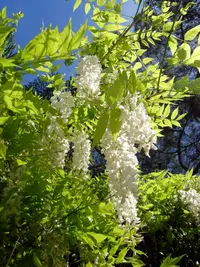
Install a sturdy trellis, wires, or mesh before the plant reaches 30–40 cm, then loosely tie new shoots with soft ties to encourage a well-spaced, fan-shaped framework.

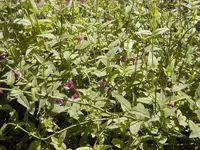
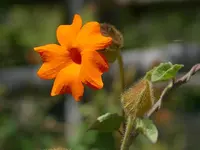
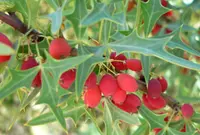
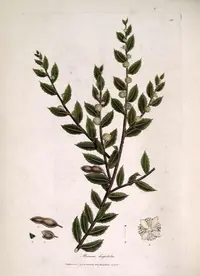
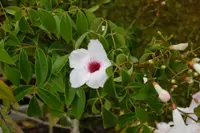
Red jasmine, Jasminum beesianum, is a deciduous to semi-evergreen climbing shrub grown mainly for its deep pink to red, tubular flowers and slender stems. It is often trained on trellises, fences, or arches, forming a loose, scrambling framework rather than a dense hedge.
This species comes from western China, where it grows on hillsides and forest margins, so it adapts well to temperate gardens with mild winters. The flowers are lightly fragrant and appear in clusters, contrasting with the small, dark green leaves.
Jasminum beesianum is considered moderately easy to grow when provided with sun, free-draining soil, and regular moisture, and those basics cover most of how to care for Red Jasmine.

Care Difficulty
Moderate Care

Light Preference
Full Sun

Water Requirements
Moderate Water

Temperature Preference
Warm Climate

Hardiness Zone
7–9

Soil Texture
Sandy, Loamy, Organic-rich

Soil pH
Acidic (5.5–6.5), Slightly acidic (6.5–7.0)

Soil Drainage
Moist but well-drained

Fertilization
Light (every 4–6 weeks)
Scan your plant to receive care tips personalized for your specific plant
Available on iOS and Android
This jasmine prefers bright conditions but not harsh, all‑day sun.
This climber prefers evenly moist but not waterlogged soil.
This jasmine grows best in mild, temperate climates without extremes.
This jasmine prefers moderate humidity and reacts when air is very dry.
This climber grows best in loose, well-drained, moderately fertile soil.
This species is well suited to container growing when the pot supports its climbing habit and root system.
Jasminum beesianum responds well to moderate, targeted feeding during the active growing season.
Pruning helps maintain size, structure, and flowering performance in Jasminum beesianum.
Container-grown plants and young vines benefit from occasional repotting or transplanting to maintain healthy root growth.
This species is commonly propagated vegetatively to maintain desired growth and flowering traits.
Outdoor plants are fairly cold tolerant but benefit from simple winter protections in colder regions.

Plant Health Check
Not sure what's wrong with your plant? Check your plant's health inside the app.
This jasmine species is notable for its deep rose-red to crimson tubular flowers, which is uncommon in a genus best known for white, star-shaped blooms.
Native to higher elevations in western China, this species tolerates cooler conditions than many tropical jasmines and can adapt to temperate gardens with mild winters.
Unlike some strictly vining jasmines, this plant combines arching shrub growth with twining stems, allowing it to be trained as a loose climber on supports or grown as a freestanding, lax shrub.

In its native range in western China, this species is often found scrambling over shrubs and rocky slopes at relatively high altitudes, a habitat preference that helps explain its greater cold tolerance compared with many other jasmine species.
Poor flowering usually comes from insufficient light, heavy or incorrect pruning, or nutrient imbalance. Avoid cutting stems hard just before bloom season, and use a balanced, moderate fertilizer. Stable outdoor conditions generally support reliable flowering when growing Red Jasmine.
Keep your plants happy and healthy with plant identification, disease detection, and easy care guidance.