Sneeze Plant Care (Kalanchoe lanceolata)

Sneeze Plant

About Sneeze Plant

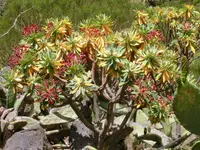
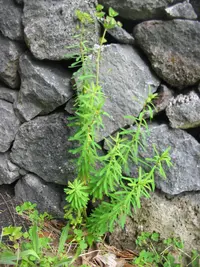
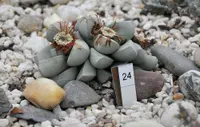
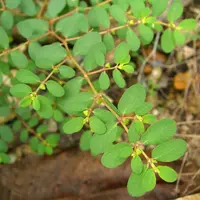
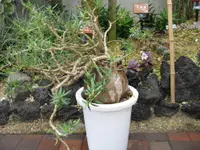
Sneeze plant, Kalanchoe lanceolata, is a compact succulent shrub known for its upright stems, narrow lance-shaped leaves, and clusters of small tubular flowers. It typically grows with a tidy, branching habit that suits containers and sunny windowsills.

This species is native to arid and semi-arid regions of eastern Africa, where it thrives in rocky, well-drained habitats. Its fleshy leaves store water, which makes it relatively tolerant of short dry periods.

Because of its drought resistance and modest size, many growers find it straightforward to care for Sneeze Plant. It generally prefers bright light, low to moderate moisture, and gritty, fast-draining soil that prevents root rot.

Main Plant Requirements

Care Difficulty

Easy Care

Light Preference

Full Sun

Water Requirements

Low Water

Temperature Preference

Tropical / Frost Sensitive

Hardiness Zone

10–11

Soil Texture

Sandy, Loamy, Rocky

Soil pH

Slightly acidic (6.5–7.0), Neutral (7.0)

Soil Drainage

Well-drained

Fertilization

Minimal (feed rarely)

Get Personalized Care Plan

Scan your plant to receive care tips personalized for your specific plant

Available on iOS and Android

How to Care for the Sneeze Plant

Kalanchoe lanceolata prefers bright light that mimics open, sunny habitats but needs protection from harsh extremes.

  • Provide 4–6 hours of direct morning sun with bright, filtered light or light shade in the afternoon, especially in hot summers.
  • Tolerates partial shade, but stems may stretch and leaf color may fade if light stays below roughly 3–4 hours of sun daily.
  • In strong climates, Sneeze Plant can scorch in intense afternoon sun, so use light shade cloth or position it where buildings or taller plants provide filtered light.

This succulent stores water in its leaves, so the root zone must dry partly between waterings to prevent rot.

  • Water only when the top 2–4 cm of soil is completely dry, then water thoroughly so it drains out, rather than following a fixed calendar schedule.
  • In spring and summer growth, dry-down will be faster; in fall and winter, extend intervals and water more sparingly as evaporation and growth slow.
  • Signs of too much water include soft, yellowing leaves and a sour smell from the soil; very wrinkled, limp leaves on Kalanchoe lanceolata indicate it has stayed dry too long.

This species prefers warm, dry conditions and is sensitive to cold and frost.

  • Aim for 65–80°F (18–27°C) for active growth; short periods up to 85–90°F (29–32°C) are tolerated if soil is well-drained and not kept soggy.
  • Avoid temperatures below 40°F (4°C); tissue damage often begins just above freezing, and frost can quickly kill stems and leaves.
  • In cooler seasons, protect plants from chilly winds and sudden night drops, and in hot spells reduce reflected heat from concrete or walls to prevent stress.

This species handles typical indoor humidity well, so humidity control is rarely critical.

  • Aim for 30–50% humidity; very humid rooms combined with low airflow can encourage fungal spotting on leaves.
  • The Sneeze Plant tolerates dry heated air, but prolonged exposure near radiators can crisp leaf tips.
  • If air is extremely dry, place the pot on a pebble tray with water below the pot base rather than misting the leaves.

This succulent needs a sharply drained, airy mix to prevent root rot.

  • Use a gritty, sandy mix such as 50–60% cactus potting mix blended with coarse perlite or pumice for Kalanchoe lanceolata.
  • Ensure the structure stays loose; chunky materials like 0.5–1 cm gravel or orchid bark improve aeration around the roots.
  • Aim for slightly acidic to neutral pH around 6.0–7.0, avoiding heavy lime additions that can cause nutrient imbalance.
  • Avoid dense, peat-only or clay-based substrates that stay wet for more than 2–3 days after watering.

This species is well suited to container growing due to its compact, shallow root system.

  • Choose a low, wide pot to support its spreading habit and reduce the risk of the plant becoming top-heavy and tipping.
  • Select unglazed terracotta when extra moisture loss is desired, especially in cooler or dimmer positions where soil dries slowly.
  • Use a container with multiple small drainage holes so the gritty mix does not wash out while still draining very quickly after watering.

Kalanchoe lanceolata benefits from light feeding during active growth but tolerates lean soil well.

  • Use a balanced liquid fertilizer (for example 10-10-10) diluted to 25–50% strength for Sneeze Plant indoor care.
  • Feed every 4–6 weeks in spring and summer when growth is active and light is strong.
  • Choose either a diluted liquid feed or a low-dose slow-release succulent fertilizer; avoid rich compost mixes.
  • Stop fertilizing in fall and winter to match the plant’s natural rest period and reduce root stress.

Kalanchoe lanceolata responds well to modest pruning that maintains shape and encourages compact growth.

  • Best time for structural pruning is late winter to early spring, before strong new growth begins.
  • Remove dead, damaged, or leggy stems with clean, sharp scissors or pruning snips to limit disease entry.
  • Pinch or trim soft tips after flowering to promote branching and denser foliage.
  • Cut back crowded stems to improve light penetration and airflow around the plant.

This species prefers slightly tight containers and does not need frequent repotting.

  • Check for roots circling the pot, emerging from drainage holes, or unexplained slow growth as signs to repot.
  • Plan repotting for spring every 2–3 years, when Kalanchoe lanceolata resumes active growth.
  • Use a shallow container with drainage and a gritty succulent mix to limit waterlogging and root rot.
  • Gently loosen circling roots, remove some old soil, water lightly after repotting, and keep in bright shade for 3–5 days.

Kalanchoe lanceolata is commonly multiplied from stem or leaf cuttings under warm, bright conditions.

  • Take 5–8 cm stem or firm leaf cuttings in late spring to summer when growth is strong.
  • Allow cut surfaces to dry and callus for 1–3 days to reduce rot risk, especially in humid air.
  • Place cuttings in a barely moist, gritty mix and keep at 70–80°F in bright, indirect light.
  • Avoid overwatering; mist sparingly until roots form, then transition gradually to normal succulent watering.

This succulent is frost sensitive and needs protection in regions with cold winters.

  • Move container plants indoors before temperatures drop below 40°F, providing bright indirect light.
  • Keep soil drier in winter, watering only when the mix is fully dry to prevent cold root rot.
  • Maintain indoor temperatures around 55–70°F and avoid cold drafts on leaves and stems.
  • In mild climates, use a light, dry mulch around outdoor plants to buffer brief cool nights without trapping moisture.

Care Tips

Controlled stem pinching

Pinch back only the longest, leggiest stems just above a leaf pair every few months to keep the plant compact and encourage multiple flowering shoots instead of one tall, weak stem.

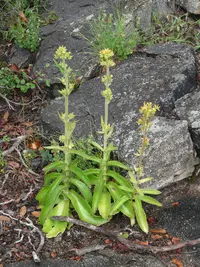
Post-bloom reset

After the main flush of blooms fades, remove spent flower stalks down to the first firm leaf node and slightly increase light exposure to help the plant channel energy into new buds rather than seed production.

Targeted mineral check

If older leaves develop pale interveinal yellowing while veins stay green, check for high pH in the potting mix and, if needed, repot into a slightly more acidic, gritty succulent mix to restore proper micronutrient uptake.

Compact propagation clusters

When taking stem cuttings, plant 3–5 rooted cuttings together in one pot to form a dense, rounded colony that supports its own structure and produces a fuller display of flowers.

Seasonal outdoor hardening

In mild climates, gradually acclimate the plant to a bright, sheltered outdoor spot in late spring over 7–10 days, then bring it back indoors before night temperatures drop below its tolerance to strengthen tissues and improve branching when growing Sneeze Plant.

Common Pests and Diseases

Mealybugs

This pest often hides in leaf axils and along stems, sucking sap and causing stunted growth and sticky honeydew on leaves.

Solution

Isolate the plant, then dab visible insects with cotton swabs dipped in 70% isopropyl alcohol and gently wipe affected areas; repeat weekly until no new insects appear. Improve light and air movement, and for heavier infestations use a labeled insecticidal soap or neem oil spray, ensuring good coverage of leaf undersides and crevices.

Aphids

These insects cluster on young shoots and flower stalks, feeding on sap and causing curling, distortion, and sticky residue that can attract sooty mold.

Solution

Rinse the plant under a gentle stream of lukewarm water to knock off colonies, then treat remaining insects with insecticidal soap applied to all soft growth. Check nearby plants, repeat treatments every 5–7 days until under control, and avoid excess nitrogen fertilizer that encourages soft, aphid-prone growth.

Powdery mildew

This disease appears as white, powdery patches on leaves and stems, which can lead to yellowing and reduced vigor in crowded or humid conditions.

Solution

Remove heavily affected leaves and increase airflow by spacing plants and avoiding overhead watering late in the day. If needed, apply a sulfur-based or potassium bicarbonate fungicide labeled for succulents, and keep foliage dry while maintaining bright, indirect light to support recovery.

Leaf spot

Symptoms include small brown, tan, or dark purple spots on leaves, sometimes with yellow halos, often triggered by prolonged leaf wetness or poor air circulation.

Solution

Prune and discard affected leaves, avoid wetting the foliage, and water at the soil level in the morning so surfaces dry quickly. Improve ventilation around the plant and, if spotting continues, use a copper-based fungicide according to label directions, monitoring new growth for improvement.

Spider mites

This pest thrives in hot, dry indoor air, causing fine stippling on leaves, dull or grayish foliage, and delicate webbing between leaves and stems.

Solution

Shower the plant with a firm but gentle spray of water to remove mites and webbing, then apply insecticidal soap or horticultural oil to all leaf surfaces, especially undersides. Increase humidity slightly around the plant without overwatering and inspect regularly, repeating treatments every 5–7 days until no new damage appears, which supports stable Kalanchoe lanceolata care.

Interesting Facts

Leaf-edge plantlets

This species can produce small plantlets along the edges or tips of its succulent leaves, an asexual reproduction strategy that allows new individuals to root quickly when they fall onto suitable soil.

Rocky habitat specialist

In parts of East Africa, this plant occurs naturally on rocky slopes and outcrops, where its thick leaves and compact growth habit help it cope with intense sun and limited, fast-draining soils.

Tubular orange flowers

It forms upright clusters of narrow, tubular orange to reddish flowers that are adapted to attract bird and insect pollinators capable of reaching nectar deep inside the corolla, a useful trait for growing Sneeze Plant in wildlife-friendly gardens.

FAQs about Sneeze Plant

Poor flowering usually comes from insufficient light, lack of a short-day period, or low nutrients. Provide bright conditions, avoid heavy nitrogen fertilizer, and allow a cooler, slightly drier rest period to encourage bud formation and reliable flowering.

Grow Healthy Plants with Botan Care

Keep your plants happy and healthy with plant identification, disease detection, and easy care guidance.


Botan plant care app — identify plants on mobile

Explore More Plants