Kalanchoe prittwitzii Care

Kalanchoe prittwitzii

About Kalanchoe prittwitzii

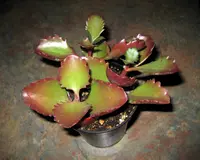
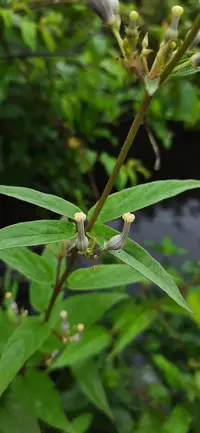
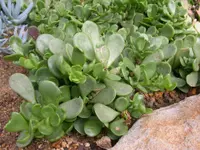
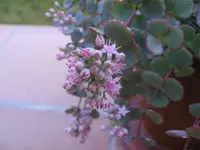
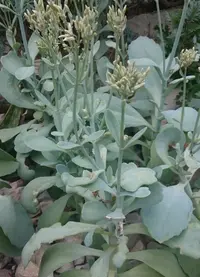
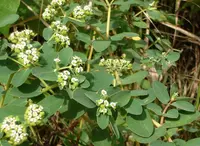
Kalanchoe prittwitzii is a small succulent shrub from arid regions of southern Africa, adapted to strong light and dry conditions. It forms compact clumps with fleshy, often gray-green leaves that store water. Short stems may branch lightly, giving the plant a low, spreading habit suitable for containers or rock gardens. Its flowers are produced in clusters and add seasonal interest, though foliage is the main feature. The species is generally undemanding, which makes it appealing for indoor growers learning how to care for Kalanchoe prittwitzii. It usually prefers bright light, infrequent watering, and a sharply draining, gritty soil mix.

Main Plant Requirements

Care Difficulty

Easy Care

Light Preference

Full Sun

Water Requirements

Low Water

Temperature Preference

Tropical / Frost Sensitive

Hardiness Zone

10–12

Soil Texture

Sandy, Loamy, Rocky

Soil pH

Slightly acidic (6.5–7.0), Neutral (7.0)

Soil Drainage

Well-drained

Fertilization

Minimal (feed rarely)

Get Personalized Care Plan

Scan your plant to receive care tips personalized for your specific plant

Available on iOS and Android

How to Care for the Kalanchoe prittwitzii

This sun-loving succulent needs strong light but benefits from protection from harsh midday rays.

  • Provide 4–6 hours of direct morning sun plus bright indirect light for the rest of the day for compact, colorful growth in Kalanchoe prittwitzii.
  • Allow light partial shade in very hot climates; give at least 6 hours of bright light overall to prevent weak, stretched stems.
  • In summer, shield from intense afternoon sun to avoid leaf scorch; in winter, move to the brightest available spot to compensate for shorter days.

This drought-tolerant plant prefers deep, infrequent watering and fast-draining soil.

  • Water only when the top 3–5 cm of soil are completely dry, then soak thoroughly so water drains out, avoiding any standing water.
  • Reduce watering in winter, when growth slows, and watch for wrinkling, soft leaves as a sign of underwatering that calls for a careful deep drink.
  • Improve drainage with gritty, sandy soil; pale, mushy leaves and a sour smell indicate overwatering and possible root rot that requires drying and aeration.

This species prefers warm, dry conditions and does poorly in cold or frost.

  • Aim for 65–80°F (18–27°C) during active growth for steady development and healthy foliage.
  • Protect from temperatures below 40°F (4°C); brief dips to 35°F (2°C) may be tolerated but any frost can damage or kill tissues.
  • In hot weather above 90°F (32°C), give light shade and good airflow to limit heat stress, especially for container plants on reflective surfaces.

This species prefers relatively dry air and usually needs no special humidity management indoors.

  • Aim for 30–50% humidity, which matches typical heated or air‑conditioned homes.
  • Leaves puckering or soft, dark patches often reflect overwatering or cold, not low humidity.
  • If air is extremely dry and hot, place the pot away from heat vents rather than using trays or misting.

This succulent needs a fast-draining, mineral-heavy mix that dries quickly between waterings.

  • Use a cactus/succulent mix based on sandy or gritty substrate with low organic content to prevent waterlogging.
  • Aim for slightly acidic to neutral pH around 6.0–7.0, which supports healthy nutrient uptake for Kalanchoe prittwitzii.
  • Combine 1 part potting mix with 1–2 parts coarse materials such as pumice, perlite, or coarse sand to improve aeration and drainage.
  • Avoid dense, peat-heavy or clayey mixes that stay wet for more than 2–3 days, as this sharply increases root-rot risk.

This species grows very well in containers when moisture around the roots is tightly controlled.

  • Choose a pot only 2–3 cm wider than the root ball so the mix does not stay wet for long periods.
  • Select terracotta or other porous materials if you tend to water heavily, as they allow faster evaporation from the root zone.
  • Use a low, wide container to keep the plant stable as it spreads and to reduce the chance of toppling when the substrate dries and lightens.

This succulent needs modest feeding to support compact growth and flowering in containers.

  • Use a balanced liquid fertilizer (around 10-10-10 or 20-20-20) diluted to 25–50% strength for Kalanchoe prittwitzii in active growth.
  • Apply every 4–6 weeks in spring and summer, on already moist soil to avoid root burn.
  • Reduce feeding to 1 light application in fall and stop entirely in winter dormancy.
  • Avoid rich compost or heavy slow-release pellets that keep the soil wet or overly nutrient-loaded.

Light, targeted pruning helps keep this plant compact and encourages branching.

  • Best time is late winter to early spring, before strong new growth starts.
  • Remove dead, damaged, or etiolated (stretched, weak) stems back to firm, healthy tissue.
  • Pinch soft tips after flowering to encourage bushier shape and more flowering shoots.
  • Use clean, sharp scissors or pruning snips, disinfected with alcohol between plants.

This species grows slowly and prefers slightly tight pots, so repotting is infrequent.

  • Check for roots circling the pot, pushing through drainage holes, or slowed growth as signs to move Kalanchoe prittwitzii.
  • Repot every 2–3 years in late winter or early spring, just before the main growth flush.
  • Choose a pot 2–3 cm wider with very sharp drainage and a gritty succulent mix.
  • Gently loosen circling roots, water lightly after repotting, then keep slightly drier for 7–10 days to limit root stress.

This plant is most often propagated from stem cuttings taken during the warm season.

  • Take 5–8 cm non-flowering stem cuttings in late spring or summer, with several leaves attached.
  • Allow cut ends to callus (dry and seal) for 1–2 days before planting in a gritty, barely moist mix.
  • Provide bright, indirect light, warmth around 70–80°F, and very light watering until roots form.
  • Seeds can be sown on the surface of a well-draining mix, kept warm and lightly moist until germination.

This succulent is frost tender and needs protection in regions with cold winters.

  • Move container plants indoors before temperatures drop below 40°F, giving bright, indirect light.
  • Keep soil on the dry side in winter, watering sparingly to prevent root rot in cool conditions.
  • In mild climates, grow in a sheltered spot and use a light mulch around the pot to buffer temperature swings.

Care Tips

Rotate for symmetry

Rotate the pot 90° every 2–3 weeks so stems receive even light and stay compact rather than stretching to one side.

Encourage branching

Pinch or snip back the tips of overly long shoots in late spring to stimulate side branches and create a denser, more stable plant.

Use shallow containers

Grow this succulent in a wide, shallow pot to match its relatively shallow root system and reduce the risk of water sitting in deep, poorly aerated soil layers.

Winter light boost

During short winter days, move the plant to the brightest indoor window or supplement with a small LED grow light to keep growth firm and prevent weak, etiolated stems when caring for Kalanchoe prittwitzii.

Prevent salt buildup

Every 2–3 months, leach the pot by watering thoroughly until excess water drains out, which helps flush accumulated fertilizer salts that can damage the fine feeder roots.

Common Pests and Diseases

Mealybugs

This pest feeds on succulent leaves and stems, often hiding in leaf axils and between crowded offsets. Symptoms include white cottony clusters, sticky honeydew, and stunted or distorted new growth.

Solution

Isolate the plant, then dab visible mealybugs with cotton swabs dipped in 70% isopropyl alcohol and repeat weekly until no new pests appear. Improve light and air movement, avoid overfertilizing soft growth, and if the infestation is extensive, use a systemic insecticide labeled for succulents according to package directions.

Aphids

These insects attack tender new shoots and flower stalks, sucking sap and causing curling or sticky, shiny leaves. Symptoms include clusters of small green, black, or brown insects and possible sooty mold growing on their honeydew deposits.

Solution

Rinse affected areas under a gentle but thorough stream of water, then apply insecticidal soap to shoots and the undersides of leaves, repeating every 5–7 days until populations decline. Reduce excessive nitrogen fertilization that encourages soft growth and check nearby plants to prevent re-infestation, which supports long-term Kalanchoe prittwitzii care instructions.

Powdery mildew

This disease appears as a white or grayish powdery coating on leaves, often starting on the upper surface of older foliage. Symptoms include dull, mottled leaves, reduced vigor, and in severe cases leaf yellowing and drop.

Solution

Increase airflow around the plant, avoid overhead watering, and remove heavily infected leaves to reduce spore load. Treat remaining foliage with a sulfur-based fungicide or a potassium bicarbonate product labeled for ornamentals, following label intervals until new growth remains clean.

Bacterial soft rot

This disease affects thick leaves and stems, causing water-soaked, mushy areas that may darken and emit a foul odor. Symptoms include rapid collapse of affected tissue, often starting where water has pooled or where mechanical damage occurred.

Solution

Remove and discard all affected parts with sterile tools, cutting back into firm, healthy tissue, and allow cut surfaces to dry and callus in a warm, dry, bright spot. Reduce watering, keep foliage dry, improve air circulation, and discard the entire plant if the rot reaches the crown, since bacteria spread quickly in succulent tissue.

Scale insects

These insects appear as small, rounded or oval brown, gray, or tan bumps attached to stems and leaf undersides, feeding on plant sap. Symptoms include yellowing patches on leaves, sticky honeydew, and a general decline in vigor, especially on older, woody stems or crowded clumps.

Solution

Gently scrape or peel off individual scales with a soft tool or fingernail and wipe stems with a cloth dipped in diluted alcohol. For larger infestations, apply horticultural oil thoroughly to coat stems and leaf undersides, repeating at label intervals and monitoring offsets and pot rims where crawlers often hide.

Interesting Facts

Leaf edge plantlets

This species belongs to a group of kalanchoes that form tiny plantlets along the toothed leaf margins, which can drop off and root to create genetically identical offspring in suitable conditions.

Crassulacean acid metabolism

Like many succulents, this species uses crassulacean acid metabolism (CAM), an adaptation where stomata open mainly at night to reduce water loss while still taking in carbon dioxide for photosynthesis.

Madagascar origin

Kalanchoe prittwitzii is native to Madagascar, where it typically grows in rocky, seasonally dry habitats with strong light and well-drained, mineral-rich substrates.

FAQs about Kalanchoe prittwitzii

Slow growth usually comes from low light, cool temperatures, or cramped roots. Check for compacted soil, salt buildup, or prolonged dryness. Repot into fresh, gritty mix, trim dead roots, and provide brighter conditions to restore moderate growth.

Grow Healthy Plants with Botan Care

Keep your plants happy and healthy with plant identification, disease detection, and easy care guidance.

Botan plant care app — identify plants on mobile

Explore More Plants