Encourage Low Mounding
Pinch or lightly tip-prune young stems once early in the season to encourage a denser, low mounded habit that better covers open, sandy ground and suppresses weeds.

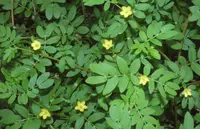
California caltrop (Kallstroemia californica) is a low, spreading perennial herb native to arid regions of the southwestern United States and northern Mexico. It often appears as a ground-hugging mat in open, sandy areas and disturbed sites.
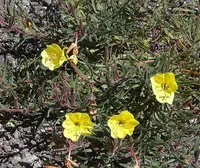
Plants bear small, divided leaves and yellow, five-petaled flowers that open in sun, followed by hard, spiny seed capsules. The overall look is modest but well adapted to heat and drought.
This species thrives in full sun, dry to very dry conditions, and well-drained, often poor soils. Its strong drought tolerance and low nutrient needs make it relatively easy in xeric or native plant gardens, but its spiny fruits and preference for dry, open ground shape how to care for California caltrop.

Care Difficulty
Easy Care

Light Preference
Full Sun

Water Requirements
Low Water

Temperature Preference
Warm Climate

Hardiness Zone
8–10

Soil Texture
Sandy, Loamy, Rocky

Soil pH
Slightly acidic (6.5–7.0), Slightly alkaline (7.0–7.5)

Soil Drainage
Well-drained

Fertilization
Minimal (feed rarely)
Scan your plant to receive care tips personalized for your specific plant
Available on iOS and Android
This desert annual thrives in strong sun but can adapt slightly to lighter conditions if needed.
This species is drought-adapted and prefers infrequent, deep watering once established.
This warm-season annual prefers hot, dry conditions and does not handle prolonged cold.
This desert annual handles very low humidity and rarely needs special moisture in the air.
This species prefers very dry, fast-draining, sandy soils that mimic desert washes.
This plant can grow in containers if the pot mimics its shallow, fast-draining desert conditions.
This desert native generally needs minimal feeding, especially when grown in lean, well-drained soils.
Pruning Kallstroemia californica is mainly done to keep plants tidy and encourage fresh flowering growth.
This species is usually grown in the ground and dislikes frequent disturbance of its root system.
New Kallstroemia californica plants are most reliably produced from seed under warm, bright conditions.
This warm-climate perennial behaves as a dieback or annual-type plant where winters are cool, and usually needs little specific winter care.

Plant Health Check
Not sure what's wrong with your plant? Check your plant's health inside the app.
This annual species produces bright yellow, 5-petaled flowers through the hottest part of summer in the Sonoran and Mojave Desert regions, often when many other annuals are already dormant.
It grows as a prostrate, spreading plant that forms low mats on sandy or gravelly soils, helping stabilize loose desert substrates and lightly shading the ground surface.
The species is native to arid parts of Arizona, California, and northern Mexico, where it is especially associated with open desert washes and disturbed sandy sites that receive brief but intense summer rains.
This species behaves as a warm-season perennial in frost-free or mild winter climates, resprouting from the root crown. In colder areas it may be short-lived or act more like a self-seeding annual groundcover.
Keep your plants happy and healthy with plant identification, disease detection, and easy care guidance.