Kleinia abyssinica Care

Kleinia abyssinica

About Kleinia abyssinica

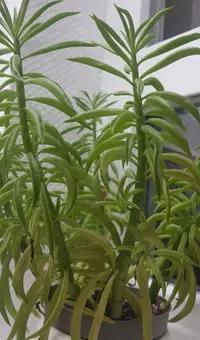
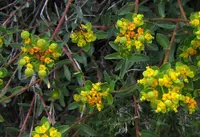
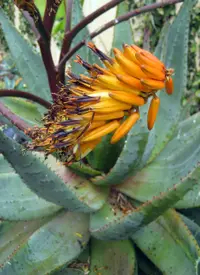
Kleinia abyssinica is a succulent shrub from arid and semi-arid regions of East Africa. It forms upright, often sparsely branched stems with fleshy, water-storing tissues. Leaves are usually narrow, sometimes reduced, and may drop in dry periods, giving the plant a somewhat architectural, sculptural look.

In cultivation, it stays relatively compact and is usually grown in containers in bright, dry indoor or greenhouse conditions. It prefers fast-draining, gritty soil and careful watering, making it suitable for those who understand how to care for Kleinia abyssinica.

Its drought tolerance and slow to moderate growth make it manageable for patient beginners and intermediate growers who are comfortable with typical succulent needs.

Main Plant Requirements

Care Difficulty

Easy Care

Light Preference

Full Sun

Water Requirements

Low Water

Temperature Preference

Tropical / Frost Sensitive

Hardiness Zone

10–12

Soil Texture

Sandy, Loamy, Rocky

Soil pH

Slightly acidic (6.5–7.0), Neutral (7.0)

Soil Drainage

Well-drained

Fertilization

Minimal (feed rarely)

Get Personalized Care Plan

Scan your plant to receive care tips personalized for your specific plant

Available on iOS and Android

How to Care for the Kleinia abyssinica

This drought-tolerant succulent prefers bright, direct light similar to its native East African habitat.

  • Provide 6–8 hours of direct sun daily, ideally with strong morning sun and lighter afternoon exposure in hot climates.
  • Plant in an open, unshaded spot outdoors; light afternoon shade is tolerated in regions with intense summer sun to reduce leaf scorch.
  • If stems stretch or lean strongly toward the light, the plant lacks sun; move to a brighter position or thin surrounding shade plants.

This species stores water in its fleshy stems and needs infrequent but thorough watering.

  • Water only when the top 3–5 cm of soil are completely dry, then soak the root zone and let excess drain away fully.
  • Reduce watering sharply in cool seasons; in winter, many outdoor plants need water only during prolonged dry spells.
  • Yellowing, soft stems and a sour soil smell indicate overwatering and poor drainage, while wrinkled, thin stems signal underwatering in Kleinia abyssinica.

This succulent prefers warm, dry conditions and is not tolerant of hard frost.

  • Aim for 65–80°F (18–27°C) during active growth for best vigor and compact stems.
  • Protect from temperatures below 40°F (4°C); brief light frost may damage tips, and hard frost can kill roots and stems.
  • The plant tolerates short heatwaves up to about 95°F (35°C) if soil is very free-draining and airflow is good, but growth slows in extreme heat.

This succulent handles typical indoor humidity and rarely needs special adjustment.

  • Aim for 30–50% humidity, which suits its arid-adapted leaves and reduces rot risk.
  • Dry household air is usually tolerated; prioritize light and watering accuracy over added humidity.
  • Humidity stress shows as soft, translucent, or blackened stems from excess moisture rather than low humidity; improve air movement if this appears.

Soil for this drought-tolerant succulent must be sharply draining to protect its fleshy roots.

  • Use a gritty mix such as 50–70% cactus soil blended with coarse sand, pumice, or perlite for strong aeration.
  • A sandy, mineral-rich, low-organic structure prevents waterlogging and mimics Kleinia abyssinica’s native conditions.
  • Keep pH slightly acidic to neutral, around 6.0–7.0, which suits most succulent mixes without extra adjustment.
  • Avoid heavy, peat-dense, or clay-based substrates that stay wet or compact, since these quickly cause root and stem rot.

This species is very suitable for container growing due to its compact, succulent habit.

  • Choose a low, wide pot that matches its spreading roots and keeps top growth from tipping over.
  • Select unglazed terracotta if extra evaporation is needed in cool or dim locations to reduce prolonged wetness.
  • Raise the pot on feet or spacers so drainage holes clear the saucer, allowing water to leave the root zone quickly.]},

This drought-tolerant succulent needs only light feeding to maintain compact, healthy growth.

  • Apply a diluted balanced liquid fertilizer (around 10-10-10 at 1/4 strength) every 4–6 weeks during spring and summer.
  • Use a low-salt, cactus or succulent formula rather than rich compost to avoid soft, weak growth.
  • Skip feeding in fall and winter when Kleinia abyssinica slows down and soil stays cooler.
  • Flush the pot with plain water a few times per year to reduce fertilizer salt buildup in the mix.

Pruning is minimal but useful for keeping Kleinia abyssinica compact and tidy.

  • Best time for pruning is late winter to early spring, just before active growth begins.
  • Remove dead, damaged, or shriveled stems with clean, sharp scissors or pruners to reduce disease risk.
  • Cut back overly tall or leggy stems to a lower node to encourage branching and denser growth.
  • Allow cut surfaces to dry and callus before watering to limit rot in this succulent species.

This succulent prefers a slightly snug pot and only occasional repotting in fast-draining soil.

  • Repot every 2–3 years or when roots circle the pot, drainage slows, or growth becomes noticeably weak.
  • Aim for late spring repotting, using a cactus or succulent mix and a container only 2–3 cm wider than the old one.
  • Gently loosen the root ball of Kleinia abyssinica, remove rotten roots, and let any breaks dry briefly before replanting.
  • Water lightly after repotting, then allow the mix to dry almost completely to reduce transplant shock and rot risk.

Kleinia abyssinica is commonly multiplied from stem cuttings and sometimes from seed.

  • Take 5–10 cm stem cuttings in late spring or early summer from healthy, non-flowering shoots.
  • Let cut ends dry and callus for 2–3 days before inserting into a gritty, barely moist cactus mix.
  • Provide bright, indirect light, warmth around 70–80°F, and very light moisture until roots form.
  • For seeds, sow on the surface of well-draining mix, keep slightly moist, and maintain gentle warmth for germination.

This succulent is frost-sensitive and benefits from careful winter management in cool climates.

  • Keep outdoor plants only in mild regions; avoid exposure to temperatures near or below 32°F.
  • Move container-grown Kleinia abyssinica indoors to a bright, cool room before the first frost.
  • Water sparingly in winter, allowing soil to dry completely between light waterings to match semi-dormant growth.
  • Ensure pots have excellent drainage and no standing water, which increases cold damage and root rot risk.

Care Tips

Segment propagation

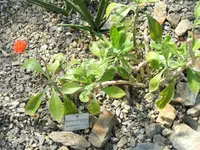
Use a clean, sharp knife to cut 5–8 cm stem segments, let them callus for 3–5 days in a dry, bright spot, then lay or insert them in barely moist gritty mix to quickly expand your plant stock.

Controlled plant shaping

Pinch or cut back overly tall or leaning stems in late spring, then re-root the cut pieces as new plants, which keeps the mother plant compact while preserving desirable forms when growing Kleinia abyssinica.

Rot prevention strategy

After any accidental overwatering, tilt the pot slightly and place it on a dry towel or paper to draw out excess moisture from the drainage holes and lower the risk of stem base rot.

Seasonal light rotation

Rotate the pot a quarter turn every 2–3 weeks and shift it slightly farther from intense windows in summer, then closer again in winter, to maintain even growth and reduce scorch on the sun-exposed side.

Preventive pest checks

Inspect leaf joints and stem crevices every 2–3 weeks with a hand lens, and at the first sign of mealybugs or scale, isolate the plant and dab pests with isopropyl alcohol on a cotton swab before populations build up.

Common Pests and Diseases

Mealybugs

This pest feeds on sap and hides in leaf joints and along stems, leaving white cottony clusters and sticky honeydew on Kleinia abyssinica. Symptoms include slowed growth, yellowing, and distorted new shoots.

Solution

Isolate the plant, then dab visible insects with cotton swabs dipped in 70% isopropyl alcohol and repeat weekly until no new clusters appear. For larger infestations, rinse stems and joints under a gentle stream of water, then apply a neem oil or insecticidal soap spray, ensuring good coverage of crevices while keeping the potting mix from getting waterlogged.

Aphids

These insects cluster on tender shoot tips and flower stalks, sucking sap and causing curling, distortion, and sticky residue that can lead to sooty mold. Infestations are more common on plants kept too soft and shaded.

Solution

Rinse off colonies with a firm but controlled stream of water, focusing on new growth and undersides of leaves. Follow up with insecticidal soap or horticultural oil every 5–7 days for several cycles, and keep the plant in brighter light to discourage recurring aphid populations when growing Kleinia abyssinica.

Spider mites

This pest thrives in warm, dry indoor air and causes stippling, fine webbing, and a dull, dusty look to the succulent stems. Symptoms include gradual loss of vigor and reduced growth over time.

Solution

Increase humidity around the plant without wetting the soil, then thoroughly rinse stems and joints under lukewarm water to remove mites and webs. After washing, use a labeled miticidal product or neem oil spray on all plant surfaces, repeating every 7–10 days until new growth appears clean.

Powdery mildew

This disease appears as white, powdery patches on stems and any remaining leaf tissue, often under stagnant, humid, and low-light conditions. Symptoms include slowed growth and weakened tissue that can scar as it ages.

Solution

Improve air circulation and provide brighter, indirect light while avoiding overhead watering. Remove heavily affected tissue if practical, then treat remaining surfaces with a sulfur-based fungicide or potassium bicarbonate product, repeating as directed to prevent reinfection.

Interesting Facts

Succulent stem adaptation

This species has swollen, fleshy stems that store water, allowing it to survive in the strongly seasonal, semi-arid climates of northeastern Africa and the Arabian Peninsula.

Seasonal leaf behavior

The plant often carries small, short-lived leaves during favorable moisture periods, then relies mainly on its green stems for photosynthesis once conditions become drier.

Milkweed-like relatives

Although it looks somewhat like a small, branching cactus, this species is actually a member of the Asteraceae (daisy) family and is closely related to other Senecio-type succulents often grown as ornamentals.

FAQs about Kleinia abyssinica

Yellowing leaves usually result from overwatering, compacted or poorly draining soil, or sudden temperature drops. Check roots for rot, improve drainage, let the mix dry more between waterings, and remove only fully dead leaves.

Grow Healthy Plants with Botan Care

Keep your plants happy and healthy with plant identification, disease detection, and easy care guidance.

Botan plant care app — identify plants on mobile

Explore More Plants