blue hair grass Care (Koeleria glauca)

blue hair grass

About blue hair grass

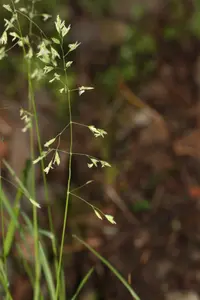
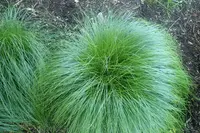
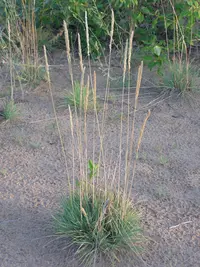
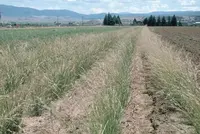
Blue hair grass, Koeleria glauca, is a compact, cool-season ornamental grass valued for its fine, bluish-gray foliage and neat clumping habit. It forms low, rounded tufts that send up slender flower stems, giving a soft, airy look in borders or gravel gardens.

This species is native to dry, open areas of central and eastern Europe, where it naturally experiences lean soils and good drainage. Its tolerance of poor, sandy substrates and moderate drought makes it relatively easy to maintain once established.

Gardeners who want to care for blue hair grass should provide full sun, well-drained soil, and avoid heavy, wet conditions, which can shorten the plant’s lifespan.

Main Plant Requirements

Care Difficulty

Easy Care

Light Preference

Full Sun

Water Requirements

Low Water

Temperature Preference

Cold Hardy

Hardiness Zone

4–9

Soil Texture

Sandy, Loamy, Rocky

Soil pH

Slightly acidic (6.5–7.0), Neutral (7.0)

Soil Drainage

Well-drained

Fertilization

Minimal (feed rarely)

Get Personalized Care Plan

Scan your plant to receive care tips personalized for your specific plant

Available on iOS and Android

How to Care for the blue hair grass

This compact cool-season grass prefers open, sunny positions to keep its blue foliage dense.

  • Provide 6–8 hours of direct sun daily; morning sun with light afternoon exposure suits most climates.
  • It tolerates light partial shade (3–4 hours sun), but clumps may open up and color fades on blue hair grass.
  • In hot summers, avoid intense west-facing exposure that can scorch leaf tips; use nearby plants or structures for light afternoon filtering.

This grass prefers slightly dry, well-drained soil and is sensitive to sitting in water.

  • Allow the top 3–5 cm of soil to dry before watering, then soak the root zone thoroughly and let excess drain away.
  • In spring and fall, when Koeleria glauca is actively growing, check soil weekly; in summer heat or winter dormancy, water less often.
  • Watch for yellowing, mushy bases as a sign of overwatering and for rolling, browning leaf tips as a sign of drought stress.

This cool-season grass handles a wide temperature range but grows best in moderate conditions.

  • Optimal growth occurs around 60–75°F (16–24°C), especially during spring and fall in temperate climates.
  • Mature plants tolerate cold down to about -20°F (-29°C) with good drainage, but young plants benefit from protection below 15°F (-9°C).
  • In summer, it copes with brief heat up to about 90°F (32°C) if soil is not waterlogged; prolonged hot, humid periods can thin clumps and reduce vigor.

This grass prefers dry to moderately dry air and rarely needs special humidity management.

  • Aim for 30–50% humidity, similar to most heated or air-conditioned homes and outdoor summer conditions.
  • Koeleria glauca tolerates dry air well; foliage tips browning or losing bluish tone usually reflects water or light stress, not humidity.
  • Prioritize strong light and well-drained soil over humidity trays or misting, which add little benefit and may promote fungal issues in dense clumps.

This species needs dry, sharply drained, low-fertility soil to maintain compact, blue-toned growth.

  • Use a sandy or gritty mix, such as 50–60% mineral material (coarse sand, fine gravel, grit) blended with low to moderate organic matter like compost or pine bark fines.
  • Ensure fast drainage; water should pass through within seconds and the top layer should dry quickly after rain or irrigation to prevent root rot.
  • Keep pH slightly acidic to neutral (pH 6.0–7.2), as Koeleria glauca adapts well across this range and maintains good color and vigor.
  • Avoid heavy clay, peat-heavy mixes, or sites where water sits after rain; if needed, raise the planting area or add extra grit to improve aeration around the root zone.

This species suits containers if drainage is very free and the mix stays on the dry side.

  • Choose a wide, shallow pot that matches the shallow, fibrous roots and leaves room for clump expansion without holding excess moisture in depth.
  • Select a heavy or stable container material if the plant sits in a windy, exposed position, as the fine foliage can act like a sail and tip light pots.
  • Water only when the top 3–4 cm of the mix is fully dry, then drain saucers immediately to prevent water from pooling around the root zone.

This drought-tolerant grass needs only light feeding to stay compact and healthy.

  • Apply a balanced slow-release fertilizer (around 10-10-10) at low rate once in early spring as growth begins.
  • Alternatively, top-dress with a thin layer of compost, keeping it away from the crown to prevent rot.
  • Use fertilizer at 1/2 strength to avoid lush, floppy growth and loss of blue color in blue hair grass.
  • Do not feed in late fall or winter, when the plant is semi-dormant and growth slows.

Pruning supports tidy clumps and consistent texture in Koeleria glauca plantings.

  • In late winter or very early spring, cut back old foliage to 5–8 cm above the crown before new growth emerges.
  • During summer, shear off spent flower stalks to maintain a neat mound and encourage fresh foliage.
  • Remove any dead, damaged, or badly discolored leaves by hand or with clean scissors to reduce disease risk.
  • Use clean, sharp hand shears and avoid cutting into the crown to prevent plant stress or rot.

This small clumping grass is usually grown in the ground and dislikes frequent disturbance.

  • Transplant Koeleria glauca in early spring or early fall, when temperatures are mild and soil is workable.
  • Move or divide clumps only every 3–4 years, mainly if flowering declines, centers thin out, or growth becomes sparse.
  • Lift the clump with a spade, keeping a firm root ball, and replant at the same depth in well-drained soil.
  • Water thoroughly after transplanting, then keep soil lightly moist for 1–2 weeks to limit root stress and improve establishment.

Koeleria glauca is commonly propagated by seed or by careful division of mature clumps.

  • Sow seeds in late winter to early spring on the surface of well-drained, sandy mix and barely cover with grit.
  • Maintain bright light, good air flow, and temperatures around 60–70°F for even germination.
  • For division, split healthy clumps in early spring, keeping several shoots and roots in each section.
  • Replant divisions promptly, water well, and keep soil lightly moist until new growth shows stable establishment.

This cool-season grass is generally hardy and needs minimal winter care in most temperate climates.

  • Koeleria glauca tolerates typical winter frosts in USDA zones where it is commonly grown.
  • Leave foliage standing over winter to shield the crown, then trim back in late winter if it looks untidy.
  • In very cold or exposed sites, apply a light mulch of gravel or coarse bark around, not on, the crown.
  • Container plants in colder regions can be overwintered in a sheltered, unheated but frost-free spot if roots risk freezing solid.

Care Tips

Clump Renewal

Every 3–4 years, lift and divide congested clumps in early spring, discarding the dead center and replanting only vigorous outer sections to keep plants dense and blue-gray.

Winter Drainage Protection

In cold, wet climates, top-dress around the base with a 1–2 in layer of coarse grit or small gravel in late fall to prevent crown rot from standing winter moisture.

Seedhead Management

If self-seeding is not desired, shear off flowering stems just as seed heads turn tan, which preserves the foliage display and limits unwanted seedlings nearby.

Companion Spacing

When planting alongside taller perennials, leave a 20–30 cm gap and use plants with open, airy habits so the grass receives enough airflow and light at the base.

Container Longevity

In pots, refresh the top 3–5 cm of mix with fresh, gritty medium each spring and slightly raise the container on pot feet so water drains quickly, which is key to growing blue hair grass successfully long term.

Common Pests and Diseases

Rust

This disease causes small orange, brown, or yellow pustules on leaves and stems, often appearing in warm, humid weather or crowded plantings.

Solution

Remove and discard affected leaves, thin or divide clumps to improve air circulation, and avoid overhead watering so foliage dries quickly; in persistent cases, apply a sulfur or chlorothalonil-based fungicide labeled for ornamental grasses according to the instructions.

Leaf spot

This disease produces tan to dark brown spots on leaves, sometimes with purple margins, and can cause early leaf dieback in prolonged wet conditions.

Solution

Cut back and dispose of heavily spotted foliage, water at the base of the plant in the morning so leaves dry fast, and, if spread continues, use a broad-spectrum ornamental grass fungicide, rotating products if repeated treatments are needed.

Aphids

These insects cluster on young shoots and flower stems, sucking sap and causing distorted growth and sticky honeydew on the foliage.

Solution

Spray infested areas with a strong stream of water to dislodge aphids, then treat remaining colonies with insecticidal soap or a light horticultural oil, making sure to cover all sides of the leaves and repeating every 5–7 days until populations collapse; supporting beneficial insects such as lady beetles also helps when growing blue hair grass in mixed plantings.

Spider mites

These pests thrive in hot, dry conditions, causing fine speckling, dull or bronzed foliage, and sometimes fine webbing between leaves.

Solution

Increase humidity around the plants with regular hosing of the foliage, thoroughly rinse the leaves to knock mites off, and apply insecticidal soap or a labeled miticide to both leaf surfaces, repeating at short intervals because eggs are not always controlled in a single treatment.

Crown rot

This disease develops in poorly drained or overwatered soils, leading to yellowing foliage, thinning clumps, and a soft, discolored crown at soil level.

Solution

Improve drainage with gritty amendments, avoid frequent watering, promptly remove and discard affected plants or plant sections, and replant only in well-drained, low-organic matter soil to reduce future crown infections.

Interesting Facts

Central European native

This species is naturally distributed in dry, sandy habitats of Central and Eastern Europe, often forming low, silvery tufts on dunes, heaths, and steppe-like grasslands.

Striking blue foliage

Its narrow leaves contain a waxy coating that gives them a distinct blue-gray color, helping to reduce water loss and reflect excess sunlight in exposed, dry sites.

Early summer flowering

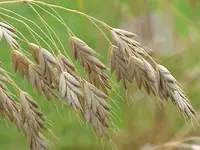
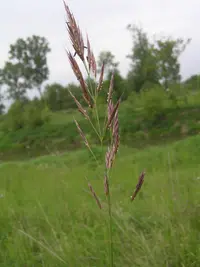
It produces fine, upright flower spikes in late spring to early summer, which stand above the foliage and provide structure and subtle movement in dry meadow and rock garden plantings.

Botan icon

Did you know?

Koeleria glauca is valued in habitat restoration and ecological plantings because its dense, fibrous root system helps stabilize sandy or loose soils, improving resistance to erosion in dry, windswept sites.

FAQs about blue hair grass

This species stays compact, usually 20–40 cm tall and slightly wider in spread. Clumps remain neat and mound-forming, which suits edging, gravel gardens, and small spaces without overwhelming nearby plants or hardscape elements.

Grow Healthy Plants with Botan Care

Keep your plants happy and healthy with plant identification, disease detection, and easy care guidance.

Botan plant care app — identify plants on mobile

Explore More Plants