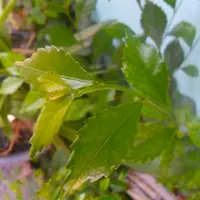
flamegold Care (Koelreuteria elegans)

Also known as: Taiwanese Rain Tree, flamegold rain tree
flamegold

About flamegold

Flamegold, Koelreuteria elegans, is a small to medium deciduous tree known for its yellow summer flowers and papery, lantern-like seed pods that turn pink to bronze. It has a rounded, spreading crown and compound leaves that give it a light, airy look in the landscape.

This species is native to subtropical regions, especially in parts of Asia and the Pacific, and is often used as a street or garden shade tree in warm climates. Its tolerance of heat, urban pollution, and variable soil quality makes it relatively straightforward to care for flamegold.

The tree grows best in full sun with well-drained soil and benefits from regular moisture when young, though established trees handle short dry periods well.

Main Plant Requirements

Care Difficulty

Easy Care

Light Preference

Full Sun

Water Requirements

Moderate Water

Temperature Preference

Tropical / Frost Sensitive

Hardiness Zone

10–11

Soil Texture

Sandy, Loamy, Clay

Soil pH

Slightly acidic (6.5–7.0), Slightly alkaline (7.0–7.5)

Soil Drainage

Well-drained

Fertilization

Minimal (feed rarely)

Get Personalized Care Plan

Scan your plant to receive care tips personalized for your specific plant

Available on iOS and Android

How to Care for the flamegold

Koelreuteria elegans thrives in bright, open sites with ample direct sun for dense growth and flowering.

  • Provide 6–8 hours of direct sun daily; full sun from morning through mid-afternoon gives best flowering and compact structure for flamegold.
  • Tree tolerates light partial shade (3–4 hours sun), but expect fewer flowers and a looser canopy if shaded by buildings or taller trees.
  • In hot, inland summers, some light afternoon shade reduces leaf scorch; in winter, ensure an unshaded position to maximize low-angle sun exposure.

This species prefers deep, infrequent watering that encourages a strong, drought-tolerant root system.

  • In the first 1–2 growing seasons, water when the top 5–8 cm of soil are dry, soaking the root zone deeply rather than giving light surface irrigation.
  • Mature Koelreuteria elegans trees usually need supplemental water only during extended dry periods; foliage wilting or curling signals drought stress.
  • Avoid sites with poor drainage or standing water; yellowing leaves, dieback at branch tips, or persistent soggy soil indicate overwatering and root stress.

This warm-temperate tree grows best in mild to hot climates with only brief, light frost exposure.

  • Optimal growth occurs around 70–90°F (21–32°C); it handles typical summer heat if soil moisture is adequate and roots are mulched.
  • The tree generally tolerates short drops to about 20–25°F (-6 to -4°C); below this, young shoots and small trees can suffer bark and bud damage.
  • In colder regions, choose a south-facing, sheltered site that warms early in spring and protects from harsh winter winds and severe radiational frosts.

Koelreuteria elegans tolerates a wide humidity range and usually does not need special humidity management outdoors.

Koelreuteria elegans grows best in moderately fertile, well-structured soil that drains freely.

  • Use a loamy or sandy loam soil with some organic matter for structure but not a heavy, waterlogged feel.
  • Aim for slightly acidic to neutral pH, around 6.0–7.5, which supports balanced nutrient availability.
  • Improve drainage and aeration by incorporating coarse sand or fine gravel rather than dense peat-heavy materials.
  • Avoid compacted clay, sites that stay saturated after rain, or mixes with large amounts of undecomposed wood chips.

This species can be grown in large containers for the first years, but long-term growth is limited by root space.

  • Choose a deep, heavy container that stabilizes the top-heavy canopy against wind and prevents tipping.
  • Use a fast-draining, mineral-leaning mix so the root zone dries between waterings and does not stay saturated.
  • Place the container where runoff can escape freely, preventing standing water around the base that can warm and stress roots.

This ornamental tree benefits from modest, targeted feeding rather than heavy fertilization when caring for flamegold.

  • Use a balanced slow-release fertilizer (around 10-10-10) or well-rotted compost once in early spring to support steady growth.
  • Apply granular fertilizer at the drip line, keeping it away from the trunk, and water deeply afterward.
  • Avoid high-nitrogen lawn fertilizers that can cause weak, overly lush shoots and reduced flowering.
  • Do not feed in late fall or winter, and halve the recommended label rate for young or stressed trees.

Pruning Koelreuteria elegans focuses on structural strength, clearance, and flowering performance.

  • Carry out main pruning in late winter to early spring before active growth starts.
  • Remove dead, diseased, crossing, or storm-damaged branches using clean, sharp bypass pruners or a pruning saw.
  • Thin congested interior branches to improve light penetration and airflow through the canopy.
  • Guide young trees by selecting a single strong leader and well-spaced scaffold branches to build a stable form.

This tree is usually grown in the ground, so management focuses on transplanting young specimens correctly.

  • Transplant in late winter to early spring while the tree is dormant to limit transplant shock.
  • Choose a sunny site with well-drained soil and dig a hole 2–3× the root ball width but no deeper.
  • Loosen any circling roots on container-grown plants, trim damaged roots, and set the root flare level with the soil surface.
  • Water thoroughly after planting, then keep soil evenly moist for the first growing season, using mulch to reduce root stress.

Koelreuteria elegans is most often propagated from seed, which allows production of many plants at low cost.

  • Collect ripe seed pods in late summer to early fall, then dry and clean the seeds.
  • Provide a brief cold stratification at about 40°F for 4–6 weeks to improve germination.
  • Sow seeds in spring in a free-draining mix, covering them lightly and keeping the medium just moist, not wet.
  • Grow seedlings in deep containers with full sun and good airflow, then plant out once roots fill the pot and frosts have passed.

Established trees are moderately hardy in mild-winter regions and usually require only light winter management.

  • In climates cooler than their preferred range, mulch the root zone with 5–8 cm of organic material, keeping it off the trunk.
  • Young or container-grown trees handle frost poorly and benefit from a sheltered site out of cold wind.
  • Move potted specimens into an unheated garage or bright, frost-free space where temperatures stay above 28–30°F.

Care Tips

Canopy training

In the first 3–5 years, selectively remove competing leaders and lightly thin crowded interior branches each winter to build a single strong trunk and an evenly spaced canopy that resists storm damage.


Root flare check

When planting or inspecting established trees, ensure the root flare sits at or just above soil level and gently remove built-up mulch or soil from the trunk base to reduce risk of rot and girdling roots.

Seed pod management

If volunteer seedlings are a concern, prune off most of the spent flower clusters before seed pods mature, and collect and dispose of any fallen pods during late summer and autumn clean-up.

Pest scouting routine

From late spring through summer, inspect young foliage and new shoots every 2–3 weeks for aphids, scale, or sooty mold and treat early with a strong water spray or a labeled horticultural oil if populations begin to build.

Urban stress reduction

In hot, paved sites, maintain a 5–8 cm mulch ring out to the drip line and keep turf and string trimmers away from the trunk to buffer root zone temperature and mechanical damage, which supports long-term success when growing flamegold.

Common Pests and Diseases

Chinese wax scale

This pest appears as rounded, white to gray, waxy bumps on stems and branches and can cause branch dieback and sooty mold from heavy honeydew deposits.

Solution

Prune out and destroy heavily infested twigs, then scrub remaining scales off bark with a soft brush and soapy water if practical; for larger trees, apply a horticultural oil spray during crawler (young scale) stages and improve tree vigor with proper watering and mulching to help recovery.

Mimosa webworm

This pest creates dense webbing around clusters of leaflets, causing bronzed, skeletonized foliage and an unsightly, scorched canopy, especially on street and landscape specimens.

Solution

Prune and dispose of infested branch tips with webbing as soon as damage appears, and for larger trees time a biological or reduced-risk insecticide (such as Bacillus thuringiensis kurstaki or spinosad) to target young larvae in early summer before webbing becomes extensive.

Sooty mold

This disease is a black, powdery fungal growth that develops on leaves and stems where honeydew from sap-feeding insects such as scale or aphids has accumulated, reducing photosynthesis and making foliage look dirty.

Solution

Identify and manage the honeydew-producing insects first, then rinse foliage with a strong but gentle stream of water to remove mold; improving light penetration and airflow through selective pruning also helps foliage dry faster and limits mold buildup.

Leaf spot

This disease causes small brown to dark purple spots on leaves that may merge and lead to partial defoliation during warm, wet weather or in overhead-irrigated landscapes.

Solution

Rake and remove fallen leaves, avoid overhead watering, and thin crowded branches to increase airflow; in high-value plantings with recurring issues, apply a labeled ornamental tree fungicide preventively in spring when new foliage emerges and wet conditions are expected.

Interesting Facts

Lantern-like seed pods

After flowering, this species develops papery, three-sided seed capsules that resemble small lanterns, turning from green to pinkish-tan as they mature and often persisting decoratively into fall.

Winter-deciduous behavior

Unlike some related Koelreuteria species that may hold foliage longer in mild climates, this tree reliably sheds its compound leaves in winter, creating a clear seasonal outline in landscapes where it is planted.

Ornamental street planting

In warm coastal regions such as southern Florida and parts of Hawaii, this tree is widely used as a small ornamental street or parking-lot tree because of its moderate size, showy yellow flower clusters, and tolerance of urban conditions.

Botan icon

Did you know?

In parts of Florida and Hawaii, this species is listed as invasive or potentially invasive because its lightweight, papery fruits and wind-dispersed seeds allow it to escape cultivation and establish self-sustaining populations in disturbed natural areas.

FAQs about flamegold

This species is moderately fast-growing, often adding 30–60 cm per year once established. In suitable outdoor conditions it can reach 7–12 m tall with a similar spread, forming a broad, rounded canopy.

Grow Healthy Plants with Botan Care

Keep your plants happy and healthy with plant identification, disease detection, and easy care guidance.

Botan plant care app — identify plants on mobile

Explore More Plants