Spore-friendly harvesting
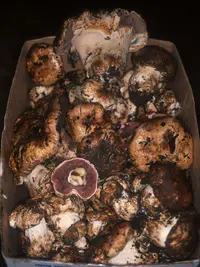
Cut fruiting bodies cleanly at the base with a sharp knife and avoid disturbing the surrounding mycelium, leaving a few mature caps in place to drop spores and maintain future flushes when caring for weeping widow.

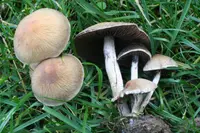
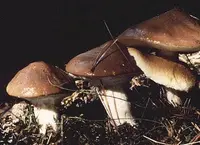
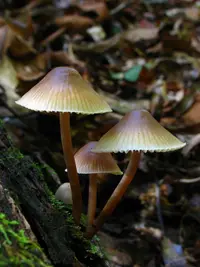
Lacrymaria lacrymabunda, commonly called weeping widow, is a delicate saprophytic mushroom, not a true houseplant or garden ornamental. It appears with thin stems and bell-shaped caps that often show dark, inky-looking droplets on the gills.
This species usually grows in grass, wood chip beds, or disturbed soil in temperate regions, often in parks, lawns, and garden borders. It is short-lived and can appear in flushes after rain, then collapse quickly.
Because it is a wild fungus with variable field features and look-alikes, it is not recommended for beginners to care for weeping widow as a cultivated species. It simply appears where conditions are right: organic-rich, moist, but not waterlogged substrates.

Care Difficulty
Moderate Care

Light Preference
Partial Shade

Water Requirements
Regular Water

Temperature Preference
Cool Climate

Hardiness Zone
Unknown

Soil Texture
Loamy, Organic-rich

Soil pH
Acidic (5.5–6.5)

Soil Drainage
Moist but well-drained

Fertilization
Minimal (feed rarely)
Scan your plant to receive care tips personalized for your specific plant
Available on iOS and Android
This woodland mushroom prefers soft, indirect light rather than strong direct sun.
This fungus needs consistently moist, but not waterlogged, substrate to form healthy fruiting bodies.
This species fruits best in cool to mild conditions rather than extreme heat or cold.
Humidity is not a key factor for Lacrymaria lacrymabunda, which is adapted to naturally fluctuating outdoor moisture levels.
This mushroom species needs consistently moist, loose, organic-rich ground rather than typical container potting mixes.
This fungus is not well suited to long-term container growing, as it naturally colonizes soil and woody debris in the ground.
This fungus is a decomposer and does not require intentional fertilizing in gardens or containers.
Lacrymaria lacrymabunda does not need structured pruning since it is a short-lived mushroom rather than a woody or leafy plant.
Transplanting efforts for this fungus are rarely successful and generally not recommended for home growers.
Intentional propagation of this wild saprophytic mushroom is uncommon and technically demanding for beginners.
This species is naturally adapted to outdoor temperature changes and usually needs no targeted winter care.

Plant Health Check
Not sure what's wrong with your plant? Check your plant's health inside the app.
The species name lacrymabunda means “abounding in tears” and refers to the tiny liquid droplets that often form on the young gills and cap surface when humidity is high, giving the mushroom a weeping appearance.
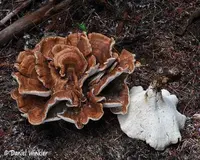
Mature fruiting bodies typically show a brown fibrous or shaggy cap with a paler, often frayed margin, and the cap surface can crack or fibrillate as it dries, which helps mycologists distinguish it from similar brown mushrooms in the field.
This species produces a dark brown to purplish-brown spore print, and its spores are ornamented (not perfectly smooth) under the microscope, which is a key diagnostic feature for accurate identification by mycologists.

This species frequently appears in nutrient-rich, disturbed habitats such as lawns, woodchip beds, and park edges, where it helps decompose organic debris and recycle nutrients back into the soil food web, sometimes forming large, scattered troops after rainy periods in temperate regions.
Yes, this mushroom species grows readily from spores rather than traditional seeds. It appears from late spring to autumn in moist, nutrient-rich soil, wood chips, or lawn areas where organic matter is breaking down.
Keep your plants happy and healthy with plant identification, disease detection, and easy care guidance.