Blushing Milkcap Care (Lactarius controversus)

Blushing Milkcap

About Blushing Milkcap

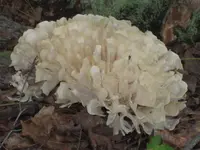
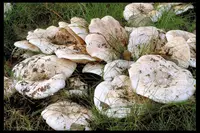
Blushing milkcap, Lactarius controversus, is a large, fleshy mushroom rather than a leafy plant. It typically forms pale pinkish to cream caps, often with a shallow funnel shape and crowded, decurrent gills beneath. The sturdy stems and dense, brittle flesh give it a heavy, compact look on the forest floor.

This species grows naturally in temperate regions, especially in Europe, often forming mycorrhizal partnerships with poplar and willow trees. It can be challenging to cultivate because it depends on these tree roots, so most people do not attempt to care for Blushing Milkcap at home. In nature it prefers moist, undisturbed soil with consistent humidity and light shade under established trees.

Main Plant Requirements

Care Difficulty

Hard Care

Light Preference

Partial Shade

Water Requirements

Regular Water

Temperature Preference

Cool Climate

Hardiness Zone

Unknown

Soil Texture

Loamy, Silty, Organic-rich

Soil pH

Acidic (5.5–6.5)

Soil Drainage

Moist but well-drained

Fertilization

Minimal (feed rarely)

Get Personalized Care Plan

Scan your plant to receive care tips personalized for your specific plant

Available on iOS and Android

How to Care for the Blushing Milkcap

This mycorrhizal mushroom needs woodland-style light rather than open-field sun.

  • Place in deciduous woodland or light woodland edge where trees provide dappled shade for most of the day, with at most 2–4 hours of gentle morning sun.
  • Avoid strong midday and afternoon sun, which can dry the forest floor and stress the mycelium; leaf litter and canopy cover help filter harsh light.
  • Sites that become too shaded (dense evergreen cover) often produce fewer Blushing Milkcap fruiting bodies, especially in late summer and early autumn.

This species depends on consistently moist, not waterlogged, forest soil around its host trees.

  • Aim for humus-rich soil that stays evenly damp 5–10 cm deep; the surface may dry slightly between rains but deeper layers should feel cool and moist.
  • Good drainage is essential; avoid compacted clay hollows where water stands for more than 24 hours, which can suffocate the Lactarius controversus mycelium.
  • Indicator of drought stress is a dusty, cracking forest floor and absence of fruiting after warm spells, while persistent puddling and sour smell signal excess moisture.

This temperate woodland fungus prefers mild conditions and is sensitive to hard frost and extreme heat.

  • Optimal fruiting usually occurs around 55–68°F (13–20°C), typical of late summer to early autumn in many temperate regions.
  • Mycelium in soil can tolerate down to about 23–28°F (-5 to -2°C), but exposed fruiting bodies are easily damaged by the first sharp frost.
  • Sustained heat above 82–86°F (28–30°C) with dry air suppresses fruiting; partial shade, leaf litter, and stable woodland microclimate buffer temperature swings.

This ectomycorrhizal fungus forms fruiting bodies best in consistently moist, humid woodland conditions rather than dry air.

  • Aim for ambient humidity around 60–85% in cultivation areas, avoiding prolonged levels below 50%.
  • Dry, windy air slows mycelium expansion and caps may crack or dry at the margins, indicating humidity stress.
  • Increase humidity by using light overhead misting, damp leaf litter, or moisture-retentive mulch around host trees without waterlogging the site, which supports Blushing Milkcap development.

Lactarius controversus requires specific soil conditions around compatible host trees rather than standard garden bed preparation.

  • Provide a moist, well-drained loamy or sandy-loam soil with high organic matter from leaf litter or decomposed wood.
  • Keep soil slightly acidic to neutral, roughly pH 5.0–7.0, as strongly alkaline or saline soils reduce mycorrhizal formation.
  • Encourage structure and aeration by mixing in forest duff, composted bark, and coarse sand instead of dense, peat-heavy or clay-dominant substrates.
  • Avoid compacted, waterlogged, or heavily fertilized soils, which can suppress mycelium and favor competing fungi or aggressive grasses instead.

This woodland ectomycorrhizal fungus is not suitable for true container growing because it relies on extensive root associations with mature host trees in open soil.

Lactarius controversus is a wild, mycorrhizal fungus that normally requires no fertilization when growing with a suitable host tree.

Pruning is not applicable to Lactarius controversus because it is a mushroom, not a woody or leafy plant.

This mycorrhizal mushroom is not suited to typical container culture, so transplanting focuses on establishing or supporting its tree partners.

  • Transplant young host trees in early spring or fall, before intense heat or hard freezes.
  • Choose a site with similar soil type, drainage, and light to the original location to reduce shock.
  • Keep the root ball intact and moist; avoid washing or breaking roots to preserve fungal associations.
  • Water the transplanted tree consistently until established, then allow normal seasonal moisture patterns.

Propagation of Lactarius controversus is specialized and not typically attempted by home growers.

This species is naturally cold hardy in its native range and usually needs no dedicated winter care.

Care Tips

Host tree choice

Establish this mycorrhizal fungus only with suitable hosts such as poplar or willow, since planting or encouraging these trees nearby greatly improves the chances of a stable, fruiting association.

Minimal soil disturbance

Avoid digging, rototilling, or compacting the soil within the drip line of host trees so the fine fungal mycelium network remains intact and can continue to produce mushrooms over many years.

Leaf litter management

Allow a natural layer of leaf litter to accumulate under host trees, removing only thick, soggy mats, as a moderate organic layer helps retain moisture and supports the fungal habitat.

Targeted irrigation zone

When irrigating, focus slow, deep watering around the outer drip line of the host tree rather than the trunk to keep the active root–fungus zone evenly moist but not waterlogged.

Careful harvest technique

Twist or cut mushrooms at the base without raking or kicking the ground, and leave small or damaged specimens in place to help maintain spore production and support long-term growing Blushing Milkcap success.

Common Pests and Diseases

Mycophagous slugs

This pest often feeds on developing fruit bodies, leaving irregular holes and slime trails on caps and gills. Damage is mostly cosmetic but can destroy young mushrooms before maturity.

Solution

Hand-pick slugs in the evening or early morning and remove hiding spots such as boards or dense debris near host poplars or willows. Where allowed, use iron phosphate slug pellets placed away from non-target wildlife, and maintain short vegetation around fruiting areas to reduce shelter.

Mycophagous snails

These insects are actually mollusks and graze on the cap margins and gills, causing scalloped edges and shallow pits on the mushroom surface. Symptoms include shiny mucus trails on and around the fruit bodies.

Solution

Remove snails by hand during damp periods and limit moist refuges such as stone piles and thick ground litter close to the mushroom patch. In enclosed gardens, barriers like copper tape around small fruiting beds and careful use of iron phosphate baits can reduce grazing pressure without heavily disturbing the habitat.

Fungal parasitism (Hypomyces spp.)

This disease appears as a whitish to yellow, powdery or crust-like growth covering parts of the cap or gills, sometimes deforming the fruit body. Symptoms include loss of normal color patterns and a firm or felted texture over the infected area.

Solution

Remove and discard parasitized mushrooms promptly to limit spore spread in concentrated picking areas. Avoid disturbing infected material into the soil and maintain good airflow and moderate litter levels under host trees so that fruit bodies dry more quickly after rain, which can reduce prolonged surface wetness that favors these parasites.

Bacterial blotch

This disease causes water-soaked, slimy, yellow-brown spots on caps, especially after prolonged wet and warm weather. Symptoms include soft, discolored tissue that may emit an unpleasant odor as decay progresses.

Solution

Avoid trampling and compacting soil around host trees so fruit bodies emerge clean and better aerated, and refrain from overhead watering in managed landscapes where these fungi are encouraged. Harvest only firm, unblemished mushrooms and promptly remove and dispose of blotched specimens to reduce the local load of bacterial inoculum.

Interesting Facts

Unusual gill coloration

This species has creamy-pink to salmon gills that often develop a distinct rosy flush where damaged or handled, a feature that helps separate it from many other milkcaps with plain white gills.

Milky latex reaction

The mushroom exudes a white milky latex when cut, and in this species the latex typically remains pale instead of turning yellow or strongly staining, which is a key identification clue in the field.

Preference for poplars

It forms a strict mycorrhizal partnership with poplar and related trees (Populus spp.), so it is usually found in damp stands of poplar rather than mixed forests or conifer woods.

Botan icon

Did you know?

In several parts of Eastern Europe and Russia, this mushroom has a long tradition as a salted or pickled food, despite its acrid raw taste, and is often collected specifically from poplar groves for this purpose.

FAQs about Blushing Milkcap

This mushroom is generally considered inedible or of poor culinary value due to its acrid, peppery taste and potentially irritating milky latex. It should not be eaten, especially by children, pregnant people, or anyone with mushroom sensitivities.

Grow Healthy Plants with Botan Care

Keep your plants happy and healthy with plant identification, disease detection, and easy care guidance.


Botan plant care app — identify plants on mobile

Explore More Plants