Oakbug Milkcap Care (Lactarius quietus)

Oakbug Milkcap

About Oakbug Milkcap

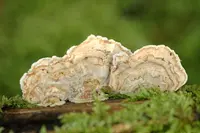
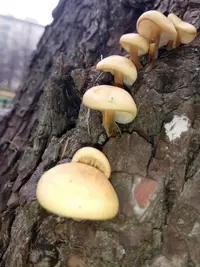
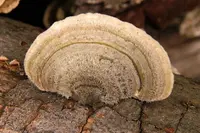
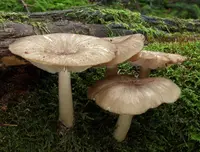
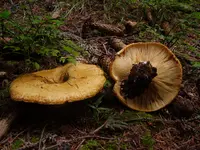
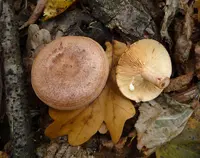
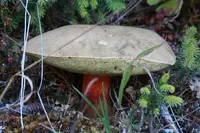
Oakbug milkcap, Lactarius quietus, is a wild mushroom-forming fungus rather than a typical houseplant or garden plant. It produces small to medium, brownish caps with concentric zones and exudes a milky fluid when cut. This species forms mycorrhizal partnerships with oak trees, meaning it feeds in close association with their roots and does not grow independently in pots or beds.

In nature, it occurs mainly in oak woodlands across Europe and parts of North America, fruiting on soil among leaf litter. Its reliance on specific tree partners and woodland conditions makes it impractical to cultivate at home, so attempts to care for Oakbug Milkcap are usually limited to conserving suitable oak habitats rather than growing it directly.

Main Plant Requirements

Care Difficulty

Moderate Care

Light Preference

Partial Shade

Water Requirements

Regular Water

Temperature Preference

Cool Climate

Hardiness Zone

4–9

Soil Texture

Loamy, Silty, Organic-rich

Soil pH

Acidic (5.5–6.5)

Soil Drainage

Moist but well-drained

Fertilization

Minimal (feed rarely)

Get Personalized Care Plan

Scan your plant to receive care tips personalized for your specific plant

Available on iOS and Android

How to Care for the Oakbug Milkcap

This woodland fungus thrives in dappled, forest shade rather than direct, open sun.

  • Provide filtered light under broadleaf trees, with no more than 1–2 hours of weak, early-morning sun and full shade the rest of the day.
  • Avoid strong midday or afternoon sun, which can overheat the leaf litter and dry out the soil surface, reducing Oakbug Milkcap fruiting.
  • In summer, choose north- or east-facing woodland edges; in spring and autumn, slightly brighter but still shaded conditions are suitable.

This mycorrhizal fungus depends on stable, evenly moist forest soil rather than direct watering.

  • Focus on maintaining the host tree in soil that drains freely yet stays slightly moist, with the top 2–5 cm not staying soggy after rain.
  • Provide supplemental irrigation only if natural rainfall is low and the soil fully dries and cracks, using deep, infrequent watering rather than frequent light splashes.
  • Watch for signs of prolonged waterlogging, such as standing water or sour smell in the litter layer, which can reduce Lactarius quietus activity and fruiting.

This species is adapted to mild, temperate woodland conditions with cool to moderate temperatures.

  • Optimal fruiting usually occurs around 50–68°F (10–20°C), typical of late summer to autumn in temperate deciduous forests.
  • Mycelium in soil can tolerate brief drops close to 23°F (-5°C), but visible fruiting bodies are easily damaged by hard frost.
  • Sustained heat above 77–86°F (25–30°C) with dry soil reduces fruiting; partial shade and adequate soil moisture buffer against short warm spells.

This mycorrhizal mushroom species is not suited to controlled indoor humidity and depends on natural forest conditions.

This ectomycorrhizal fungus cannot be grown in standard potting soil and relies on living tree roots in the ground.

  • Lactarius quietus associates mainly with oak roots in humus-rich, loose forest soil, not in isolated containers.
  • It occurs in well-drained, leaf-litter layers where moisture is steady but water does not pool or stagnate.
  • Soils are typically slightly acidic to neutral (around pH 5.0–7.0), with high organic matter from decomposing leaves and wood.
  • Artificial mixes with compost, perlite, or bark alone will not sustain this species without the correct tree partner and outdoor conditions.

This species is not realistically suitable for container growing because it depends on a mycorrhizal partnership with mature trees in undisturbed ground.

Lactarius quietus is a wild ectomycorrhizal fungus that usually needs no direct fertilization when associated with healthy host trees.

Lactarius quietus does not require pruning, as it is a mushroom forming seasonally from underground mycelium rather than a plant with stems or branches.

This fungus is not suited to typical repotting and is best left in stable woodland soil with its tree partners.

  • Avoid container culture; Oakbug Milkcap depends on ectomycorrhizal association with oak roots for normal growth.
  • If moving young host trees, transplant only when dormant in late fall or early spring to reduce stress.
  • Preserve as much native soil around oak roots as possible to maintain existing fungal mycelium.
  • Water transplanted trees consistently afterward so roots and fungal partners can re-establish.

Propagation of Lactarius quietus is specialized and not usually practical for home growers, as it depends on complex mycorrhizal relationships with oaks.

Lactarius quietus is naturally cold hardy in temperate woodlands and typically needs no special winter care.

Care Tips

Host tree selection

Establish the fungus near compatible host trees such as oak species in undisturbed soil, since this ectomycorrhizal mushroom depends on a living tree root system rather than standard mushroom substrates.

Minimal soil disturbance

Avoid digging, tilling, or heavy raking in the root zone once the mycelium is introduced, because repeated disturbance breaks fine roots and fungal threads that are needed for reliable fruiting.

Leaf litter management

Maintain a thin, continuous layer of naturally fallen leaves instead of removing them, as this mimics the fungus’s native woodland floor and helps conserve moisture and organic matter around the host tree.

Controlled inoculation

Use a spore slurry or inoculated soil placed into several shallow holes around young oak roots, spacing them 20–30 cm apart to increase the chance that the mycelium contacts fine feeder roots.

Long-term site stability

Choose a planting site that will not be compacted by frequent foot traffic, vehicles, or construction, because consistent, low-impact conditions over several years are important for growing Oakbug Milkcap successfully.

Common Pests and Diseases

parasitic bolete

This disease involves parasitic boletes, such as Pseudoboletus parasiticus, growing directly from or beside the fruiting bodies, weakening them and shortening their lifespan. Symptoms include distorted caps, abnormal tissue on the cap or stem, and rapid decay.

Solution

Remove and discard affected Lactarius quietus mushrooms as soon as the parasitic boletes are observed, and avoid disturbing the area to limit spore spread to nearby fruiting bodies. For long‑term management, reduce dense clusters by harvesting promptly and maintain good forest floor hygiene by leaving intact leaf litter but removing obviously parasitized mushrooms.

fungal mycelial competitors

This disease is caused by aggressive saprotrophic fungi colonizing the same substrate and physically overrunning the mycelium. Symptoms include declining fruiting frequency, smaller caps, and replacement by other mushroom species in the same oak leaf litter zone.

Solution

Monitor fruiting sites over seasons and harvest competing mushrooms to slightly reduce their spore load in the immediate area. Avoid excessive soil disturbance and do not add high‑nitrogen organic waste, which can favor fast‑growing competitor fungi over the more specialized Lactarius quietus mycelium.

fungivorous fly larvae

These insects lay eggs on caps and gills, and the emerging maggots tunnel through the flesh, quickly softening and destroying the mushrooms. Symptoms include small surface holes, spongy texture, internal tunnels, and rapid collapse of the fruiting bodies.

Solution

Harvest fruiting bodies as soon as they emerge and before caps fully flatten, as younger mushrooms are less heavily infested. Trim and discard visibly infested sections and place spoiled material in sealed bags and remove from the site to reduce local fly breeding.

slugs and snails

These pests feed on the soft cap surface and gills, often overnight, leaving irregular bite marks, slime trails, and partially eaten mushrooms. This pest can drastically reduce usable harvest and accelerate decay of damaged fruiting bodies.

Solution

Hand‑pick slugs and snails during damp evenings or early mornings and relocate them away from the fruiting zone. Use simple barriers such as rough mulch rings or coarse gravel around preferred fruiting spots, and harvest mushrooms early to reduce the time they are exposed to grazing.

fungus gnat larvae

These insects develop within the soil and leaf litter and can burrow into stems and caps, causing internal browning and premature collapse. Symptoms include weakened stems, caps that darken and soften from the base upward, and small exit holes where adults emerge.

Solution

Maintain slightly drier leaf litter on the immediate surface by avoiding additional watering of the area, since high moisture strongly favors gnat breeding. Remove heavily damaged fruiting bodies promptly and, if infestation persists in a managed setting, use yellow sticky traps above the ground layer to reduce the adult gnat population as part of broader Lactarius quietus care instructions.

Interesting Facts

Oak specialist associate

This species forms ectomycorrhizal partnerships with oak trees, exchanging mineral nutrients and water from the soil for sugars produced by the tree, and is rarely found away from oak-dominated woodland.

Distinctive coconut scent

Mature fruiting bodies often release a faint, sometimes stronger, coconut-like smell when the gills or flesh are rubbed, which helps field mycologists distinguish it from similar milkcap species.

Late-season fruiting

In much of Europe and parts of North America, this fungus typically fruits from late summer into autumn, often appearing in large numbers on leaf-littered forest floors under established oaks.

FAQs about Oakbug Milkcap

This mushroom is generally considered edible but is not highly valued. Some people experience mild digestive upset, especially if undercooked. Correct identification is critical, as similar-looking Lactarius species can be inedible or harmful.

Grow Healthy Plants with Botan Care

Keep your plants happy and healthy with plant identification, disease detection, and easy care guidance.

Botan plant care app — identify plants on mobile

Explore More Plants