European Platterful Mushroom Care (Megacollybia platyphylla)

Also known as: whitelaced shank
European Platterful Mushroom

About European Platterful Mushroom

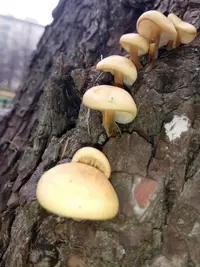
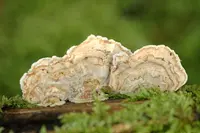
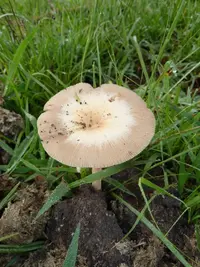
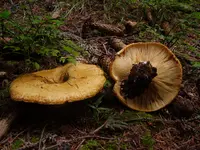
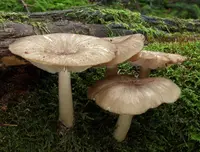
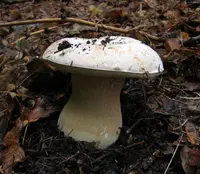
The European platterful mushroom, Megacollybia platyphylla, is a saprophytic fungus that decomposes dead wood rather than a traditional green plant. It typically forms broad, pale to gray-brown caps with crowded white gills and a slender stem, often appearing in clusters on decaying logs or buried wood.

This species is native to temperate forests across Europe and parts of North America, especially in mixed or deciduous woodland. It is not commonly cultivated at home, since it relies on well-rotted wood and stable moisture, so care for European Platterful Mushroom is mainly about preserving suitable woodland-like conditions outdoors.

Main Plant Requirements

Care Difficulty

Moderate Care

Light Preference

Shade

Water Requirements

Keep Soil Moist

Temperature Preference

Cool Climate

Hardiness Zone

Unknown

Soil Texture

Loamy, Organic-rich

Soil pH

Acidic (5.5–6.5), Slightly acidic (6.5–7.0)

Soil Drainage

Moist but well-drained

Fertilization

Minimal (feed rarely)

Get Personalized Care Plan

Scan your plant to receive care tips personalized for your specific plant

Available on iOS and Android

How to Care for the European Platterful Mushroom

This woodland fungus prefers low to moderate light levels similar to a shaded forest floor.

  • Aim for bright shade or dappled light under trees, with at most 1–3 hours of weak morning sun and no direct afternoon sun on the fruiting area.
  • Site European Platterful Mushroom beds on the north or east side of buildings, logs, or shrubs, where light is filtered and the substrate surface does not dry out quickly.
  • In late spring and summer, use leaf litter or shade cloth to protect from intense sun; in autumn, slightly more filtered light can support stable moisture and fruiting.

Moist, never waterlogged substrate is essential for stable growth and fruiting.

  • Before adding water, check that the top 2–3 cm of leaf litter or woodchip substrate feel just barely damp rather than wet or dusty dry.
  • In active growth and fruiting periods, water gently when the surface begins to lighten in color, allowing excess to drain away so Megacollybia platyphylla does not sit in standing water.
  • Reduce watering frequency in cooler seasons, watching for signs of stress such as cracked, dry substrate (too little) or sour smell and slimy patches (too much).

This species performs best in cool to mild conditions similar to a temperate forest floor.

  • Optimal fruiting usually occurs around 50–68°F (10–20°C), with mycelium growth possible in a broader range if moisture and shade are stable.
  • Short exposures down to about 32°F (0°C) may be tolerated, but repeated hard frosts below 28°F (-2°C) can damage fruiting bodies and slow mycelium activity.
  • Sustained heat above 77–82°F (25–28°C), especially with dry air and sun, can stall growth; maintain cooler, shaded, moist soil during hot summers.

Humidity is not a major factor for Megacollybia platyphylla compared with moisture in its substrate.

This fungus relies on consistently moist, organic-rich substrate rather than conventional potting soil.

  • Use loose, wood-rich material such as well-rotted hardwood chips, leaf litter, and coarse bark instead of standard potting mixes.
  • Ensure the substrate drains freely but never dries out completely; aim for a texture that feels springy, not muddy or compacted.
  • Maintain a slightly acidic to neutral reaction, roughly pH 5.5–7.0, by using deciduous leaf litter and avoiding lime-added materials.
  • Improve aeration by blending in coarse pieces (1–3 cm) of bark or wood chips and avoid fine, heavy composts that collapse and turn anaerobic.

This species is generally unsuitable for long-term container growing, as it prefers natural woodland substrates and spreading habitat.

This woodland fungus generally relies on decaying organic matter, so added fertilizer is rarely necessary for Megacollybia platyphylla.

Pruning needs are minimal, as Megacollybia platyphylla is a wild decomposer fungus rather than a landscape plant.

Transplanting focuses on moving colonized substrate rather than individual fruiting bodies of this fungus.

  • Transplant only in cool, moist weather to limit drying of the mycelium, the white threadlike fungal network.
  • Move chunks of fully colonized wood or leaf litter to a new shaded, humus-rich spot, keeping material intact.
  • Set the colonized material at the same depth and keep evenly moist to reduce stress and encourage reestablishment.

Propagation of this species is specialist work and not typically attempted by home growers.

Outdoor colonies in suitable climates need no specific winter care, as the fungus survives within soil and wood.

Care Tips

Substrate log management

When using hardwood logs, drill fresh holes and top up spawn in partially colonized logs every 6–12 months to maintain vigorous mycelium and extend productive lifespan.

Moisture retention cover

After inoculation, cover outdoor beds with a 2–3 cm layer of hardwood leaf litter or straw to buffer moisture loss, then thin the cover slightly once mycelium is fully established to prevent anaerobic conditions.

Shaded microclimate setup

Create a stable microclimate by positioning beds on the north or east side of a structure and using low, open-sided barriers (such as boards or bricks) to reduce wind and surface drying without blocking air flow.

Clean tool protocol

Disinfect drill bits, knives, and any tools used to handle spawn or substrate with 70% isopropyl alcohol before and between batches to lower the risk of contamination from competing fungi.

Flush monitoring and harvest

Check developing clusters daily once pins appear and harvest entire clusters when caps flatten but before edges darken, which encourages cleaner subsequent flushes and reduces decay on the bed surface when caring for European Platterful Mushroom.

Common Pests and Diseases

Mycophagous springtails

These insects feed on fungal tissue and gills, especially in moist, organic-rich substrates where fruiting bodies develop.

Solution

Reduce excess moisture and improve drainage in the fruiting area, then physically remove heavily infested fruiting bodies. If needed, use targeted insecticidal baits or sprays labeled for springtails around, but not directly on, the fruiting mushrooms, and maintain cleaner substrate with regular removal of spent wood and leaf litter.

Fungus gnat larvae

This pest lives in damp organic debris and can tunnel into young fungal tissue, causing malformed or prematurely collapsing caps and stems.

Solution

Allow the upper layer of the substrate to dry slightly between waterings, use fine mesh or sticky traps to reduce adult gnats, and remove decaying organic layers where larvae develop. In severe cases, apply a biological control such as Bacillus thuringiensis israelensis (BTI) to the surrounding soil to target larvae without harming the fungal colony.

Slug and snail feeding

These pests chew irregular holes in caps and stems, often leaving slime trails and rapidly disfiguring fruiting bodies after rain or irrigation.

Solution

Hand-pick slugs and snails at dusk or after rain, and use copper barriers or rough, dry mulches to make the area less attractive. If damage is heavy, place iron phosphate slug baits near but not on the mushrooms, and keep dense groundcover thinned to reduce moist hiding spots.

Parasitic Hypomyces infection

This disease is caused by parasitic fungi (often Hypomyces species) that overgrow mushroom caps and gills with a white, yellow, or reddish crust, distorting and eventually killing the fruiting bodies.

Solution

Promptly remove and discard all visibly infected mushrooms and nearby decaying fruiting bodies to reduce spore levels. Improve airflow and avoid excessive overhead watering around the colony, and do not move contaminated wood or leaf litter to new areas used for growing European Platterful Mushroom.

Interesting Facts

Early-spring decomposer

This species is one of the earlier large saprotrophic mushrooms to appear in temperate forests, breaking down fallen hardwood logs and buried wood in late spring to early summer when many other wood-decayers are still scarce.

Distinctive stem base

It often forms a compact cluster of small root-like structures at the stem base, called a pseudosclerotium, which helps distinguish it in the field from similar grayish, broad-gilled mushrooms.

Characteristic spore pattern

Its white spore print and smooth, ellipsoid spores are key diagnostic traits used by mycologists to separate it from superficially similar species with darker or ornamented spores when studying how to take care of European Platterful Mushroom in cultivation research contexts.

Botan icon

Did you know?

Field studies have shown that this species frequently fruits from buried woody debris that is no longer visible on the surface, so clusters can seem to emerge directly from leaf litter or soil even though the fungus is actually confined to decaying wood below ground.

FAQs about European Platterful Mushroom

This fungus is generally considered inedible or of very poor culinary value due to its tough texture and limited flavor. Identification is difficult for beginners, so foraging is not recommended unless guided by an experienced mycologist.

Grow Healthy Plants with Botan Care

Keep your plants happy and healthy with plant identification, disease detection, and easy care guidance.

Botan plant care app — identify plants on mobile

Explore More Plants