


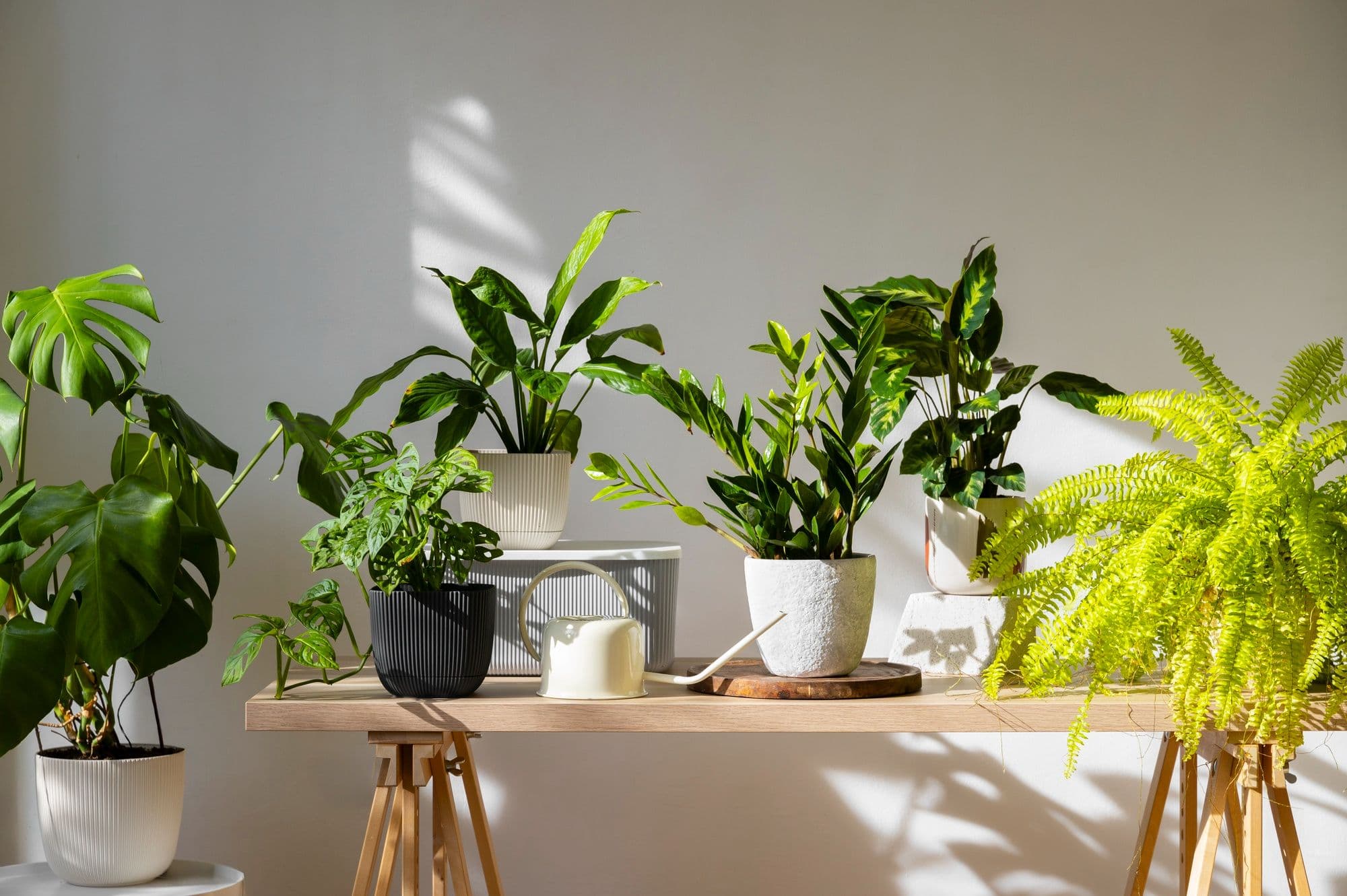
5 min read · 11 Sept 2026
Top 5 Best Indoor Plants for Air Quality
Indoor plants can make a room feel fresher thanks to their air-purifying qualities. Here are 5 of the most suitable choices for your routine and living space.
Plant Recommendations

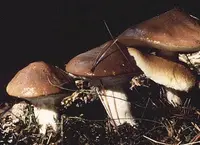
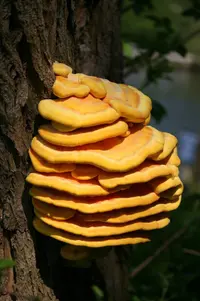
Recognize chicken of the woods by its shelf-like clusters of overlapping brackets growing directly from wood, with no distinct stem.
Each bracket is thick, fan-shaped to semicircular, often several inches across, with a bright sulfur-yellow to orange upper surface and a smooth yellow pore surface underneath, not gills.
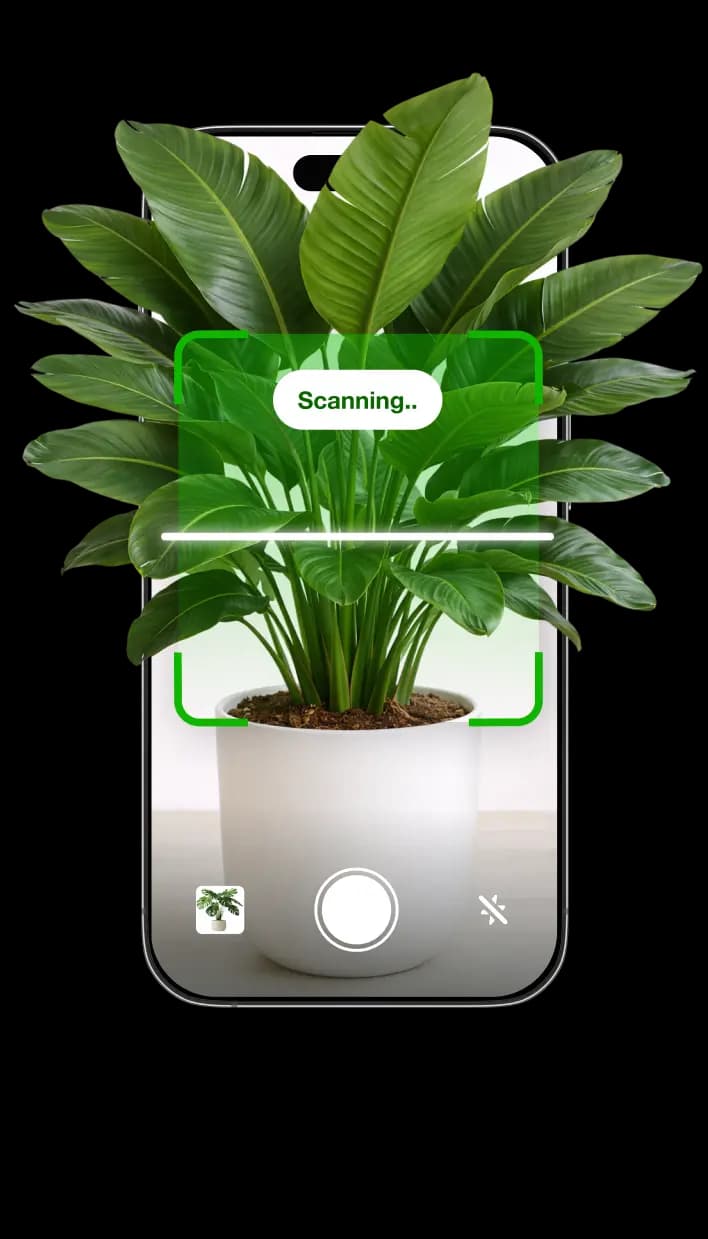
Use a clear photo to confirm what plant you have.
Clear images work best. Avoid photos taken too close or too far away
Check the fruiting body shape, attachment, and pore surface first.
A cluster growing as stemless shelves with a yellow pore surface is a strong visual match.
Laetiporus sulphureus shows clear age-related changes in shape, texture, and pore surface color.
From late spring through fall, Laetiporus sulphureus produces fresh shelves that stand out in bright sulfur-yellow to orange, often with soft yellow undersides. As the fruiting bodies age, they fade to paler yellow or whitish and become dry, chalky, and brittle. In winter, old brackets may persist as dull, weathered remnants on the wood.
A few shelf fungi can be mistaken for chicken of the woods at a glance.
white-pored chicken of the woods(Laetiporus cincinnatus)
Similar bright orange brackets grow in rosettes. The quickest check is underneath: this species has white pores, while Laetiporus sulphureus has yellow pores. It also more often fruits from the ground or buried roots, not directly from the trunk.
black-staining polypore(Meripilus sumstinei)
Young clusters can look similar because they form layered, tan to orange-brown shelves at a tree base. The best difference is bruising: edges and pore surfaces darken black with age or handling. Its colors are usually duller and lack the strong yellow underside.
Laetiporus sulphureus is widely recorded across eastern North America and also occurs in parts of Europe. It is most often found in deciduous woodland, parks, and older landscapes on living or dead hardwood trees, especially oak. That setting helps with identification. A bright shelf fungus growing in overlapping clusters on hardwood trunks or large branches is more consistent with this species than similar bracket fungi found mainly on conifers or on the ground.

Plant Photo ID
Upload a plant photo and recognize it with 98% accuracy
Use Botan to identify or confirm it from a photo, which helps reduce mix-ups before you label or log your find.
The most reliable feature is its pore surface. It has no gills. The underside is sulfur-yellow to pale yellow, with tiny pores beneath bright orange to yellow shelf-like brackets in overlapping clusters.
Identify it from a photo with Botan, then see plant details, care information, and common problems matched to the species.
5 min read · 11 Sept 2026
Indoor plants can make a room feel fresher thanks to their air-purifying qualities. Here are 5 of the most suitable choices for your routine and living space.
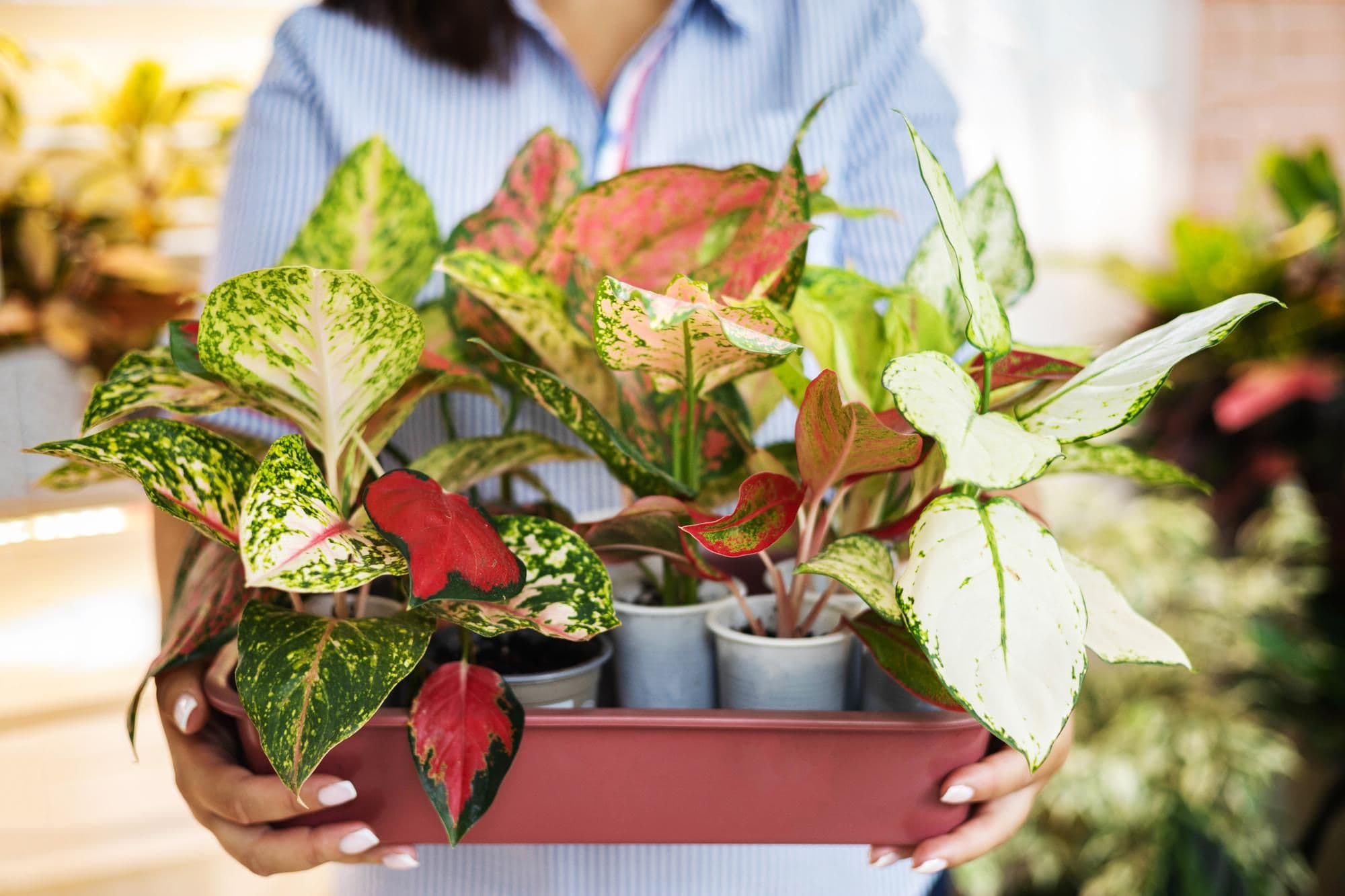
6 min read · 21 Sept 2026
Rare houseplants can turn an ordinary corner in your apartment into a living botanical collection. This guide covers 12 most admired picks, what makes them special, and how to grow them successfully at home.
6 min read · 10 Jul 2026
Flowers can survive without water anywhere from 1-2 hours to several months, depending on the plant type, species, and growing conditions. Some strong-looking flowers are drought-sensitive, while delicate-looking plants may tolerate long dry periods surprisingly well.