

Containment Management
Grow this plant in lined ponds or purpose-built aquatic containers with physical barriers around outlets to prevent fragments escaping into natural waterways, especially in regions where it is considered invasive.

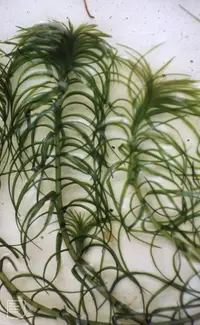
Coarse oxygen weed (Lagarosiphon major) is a submerged aquatic plant commonly used in ponds, water gardens, and aquariums. It forms dense, bushy underwater stands with dark green, spiraled leaves along flexible stems.
This species is native to southern Africa but has naturalized in many temperate regions, where it can grow rapidly and dominate still or slow-moving water. Its fast growth and strong ability to compete for light and nutrients make it easy to maintain in controlled settings but also potentially invasive outdoors.
It prefers clean, cool, well-oxygenated water and stable conditions. Understanding how to care for Coarse Oxygen Weed helps keep it healthy while preventing unwanted spread beyond its intended planting area.

Care Difficulty
Easy Care

Light Preference
Full Sun

Water Requirements
Aquatic

Temperature Preference
Cool Climate

Hardiness Zone
6–10

Soil Texture
Silty, Organic-rich

Soil pH
Slightly acidic (6.5–7.0), Neutral (7.0)

Soil Drainage
Waterlogged tolerant

Fertilization
Minimal (feed rarely)
Scan your plant to receive care tips personalized for your specific plant
Available on iOS and Android
This submerged aquatic plant thrives in bright, stable light conditions in ponds or slow-moving water.
Lagarosiphon major is a fully aquatic species that depends on stable, clean, well-oxygenated water rather than soil moisture.
This aquatic plant prefers cool to mild water temperatures and declines in prolonged cold or heat extremes.
This fully aquatic species relies on water conditions rather than air humidity, so ambient humidity is not a meaningful care factor for Coarse Oxygen Weed.
This submerged plant anchors in submerged sediment rather than conventional potting soil, so focus on stable, low-nutrient aquatic substrate.
This species grows reliably in aquatic containers such as ponds, tubs, or large water features.
This submerged species grows fast and usually needs only light feeding in managed ponds or aquaria.
Pruning Lagarosiphon major controls spread, maintains water flow, and keeps stems healthy.
This aquatic plant is usually managed by transplanting rooted bunches rather than traditional repotting.
This species is commonly propagated vegetatively and spreads quickly in suitable water conditions.
In many temperate ponds, this plant overwinters underwater with minimal intervention.

Plant Health Check
Not sure what's wrong with your plant? Check your plant's health inside the app.
This submerged aquatic plant was once widely sold as an oxygenating aquarium and pond plant, but in many regions it has escaped cultivation and become a serious invasive species in lakes and slow rivers.
Its narrow, curved leaves are attached in a distinctive one-sided spiral along the stem, which helps distinguish it from similar oxygen weed species that have leaves arranged all around the stem.
In favorable conditions it can grow into dense, canopy-like underwater thickets that intercept light, slow water movement, trap sediment, and often displace native submerged plants.

In several countries, including New Zealand, Ireland, and South Africa, this species has been officially listed as a noxious or prohibited plant, and its sale, transport, or intentional release into natural waterways is legally restricted due to its strong invasive potential.
This species is dioecious, meaning male and female flowers grow on separate plants. In many regions only one sex is present, so flowers and seed never form, even when the plant is otherwise healthy and vigorous.
Keep your plants happy and healthy with plant identification, disease detection, and easy care guidance.

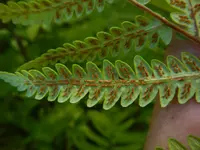
Virginia chainfern
Woodwardia virginica
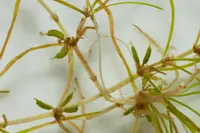
horned pondweed
Zannichellia palustris
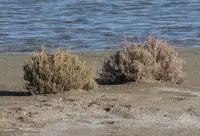
Perennial Glasswort
Salicornia perennis
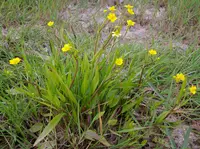
Lesser Spearwort
Ranunculus flammula
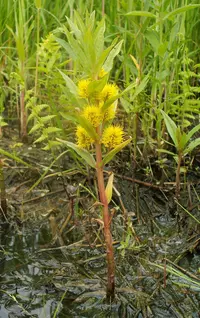
tufted loosestrife
Lysimachia thyrsiflora
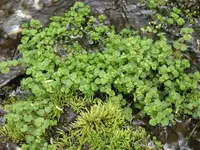
American golden saxifrage
Chrysosplenium americanum
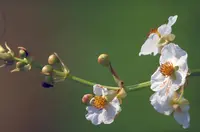
bulltongue arrowhead
Sagittaria lancifolia
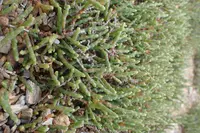
Beaded Samphire
Salicornia quinqueflora