Perennial Glasswort Care (Salicornia perennis)

Also known as: Chickenclaws
Perennial Glasswort

About Perennial Glasswort

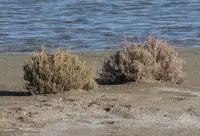
Perennial glasswort (Salicornia perennis) is a low, succulent halophyte, meaning it naturally thrives in salty environments. It forms dense, jointed, leafless stems that look like small, segmented twigs turning red or purple in colder seasons.

This species typically grows in coastal salt marshes, tidal flats, and saline shores in temperate regions. Its strong tolerance to salt and fluctuating moisture makes it resilient in the right conditions.

Gardeners who want to care for Perennial Glasswort should provide very sunny exposure, high salinity, and sandy or muddy soils that do not stay fresh for long.

In regular garden beds it can be challenging, but in coastal or specialty salt-tolerant plantings it is relatively undemanding once established.

Main Plant Requirements

Care Difficulty

Moderate Care

Light Preference

Full Sun

Water Requirements

Aquatic

Temperature Preference

Cool Climate

Hardiness Zone

6–9

Soil Texture

Sandy, Silty

Soil pH

Neutral (7.0), Slightly alkaline (7.0–7.5)

Soil Drainage

Waterlogged tolerant

Fertilization

Minimal (feed rarely)

Get Personalized Care Plan

Scan your plant to receive care tips personalized for your specific plant

Available on iOS and Android

How to Care for the Perennial Glasswort

This coastal halophyte thrives in full sun and strong light conditions.

  • Aim for 6–10 hours of direct sun daily; open coastal or shorelines with unshaded exposure suit Perennial Glasswort best.
  • Plant in a spot with morning and midday sun; light afternoon shade is acceptable in very hot, inland sites above 90°F (32°C).
  • Insufficient light leads to weak, stretched growth and duller color, while extreme, reflected heat from pavement can scorch tips in dry spells.

This salt-marsh species prefers constantly moist, even brackish, conditions rather than typical garden watering cycles.

  • Grow Salicornia perennis where soil stays consistently damp; do not allow more than the top 1–2 cm to dry out between natural tidal or irrigation events.
  • Use very free-draining, sandy or muddy substrates that stay wet yet do not form stagnant pools with foul odor or black, anaerobic patches.
  • Underwatering shows as limp, shriveling segments, while prolonged flooding without water movement causes yellowing, soft stems, and possible rot.

This species is adapted to mild, maritime climates with moderate temperature swings.

  • Active growth occurs around 55–75°F (13–24°C), typical of cool to mild coastal seasons.
  • Mature plants often survive brief drops to about 20°F (−7°C) if soils are not frozen solid, but repeated hard frosts can thin stands.
  • Heat tolerance is good up to about 90–95°F (32–35°C) with ample moisture and saline conditions; extended heat plus drought stresses and stunts growth.

This coastal halophyte prefers humid, maritime air but adapts to a range of household and outdoor conditions.

  • Aim for 50–70% humidity, which mimics the moist air of salt marsh habitats for Perennial Glasswort.
  • Tolerates brief dips into drier air, but prolonged <40% humidity can slow growth and cause dull, slightly shriveled segments.
  • If air is very dry, group plants together in trays of moist gravel, avoiding constant wetting of stems and foliage.

Salicornia perennis needs saline, very free-draining, sandy soil that still retains some moisture around the roots.

  • Use a coarse mix such as 60–70% sharp sand with 30–40% sandy loam to keep structure open and prevent waterlogging.
  • Maintain strong drainage so water flows through quickly; standing water around roots promotes rot even in this salt-tolerant species.
  • Keep pH neutral to slightly alkaline (pH 7.0–8.0), which matches coastal substrate conditions and supports nutrient uptake.
  • For containers, dissolve marine salt in irrigation water rather than mixing it heavily into the substrate, which can form crusts and block aeration.

This species can be grown in containers when its shallow, spreading roots and saline needs are matched by the pot and substrate.

  • Use a wide, shallow container to accommodate lateral root spread and keep the substrate profile uniformly salty and aerated.
  • Choose heavy ceramic or clay pots to stabilize the plant against wind while also allowing gradual evaporation along the walls.
  • Elevate the container on feet so drainage holes never sit in runoff, preventing salt-rich water from re-entering the root zone.

This salt-marsh perennial typically needs no additional fertilizer in natural, coastal, or saline garden settings.

Pruning Salicornia perennis is minimal and mainly done to keep plants tidy and healthy.

  • Carry out light pruning in late winter or early spring before new growth starts.
  • Clip back dead, damaged, or weak stems with clean, sharp scissors or snips.
  • Thin congested patches slightly to improve air flow and maintain a low, even mat.
  • Avoid hard cutting into very old woody bases, as this can slow recovery.

Transplanting is more relevant than repotting, since this species is usually grown in coastal beds or salt-tolerant plantings.

  • Shift plants in early spring when growth resumes, avoiding very hot or dry periods.
  • Look for slow extension growth or dense, crowded clumps as signs a patch needs dividing and moving.
  • Lift carefully with a fork, keeping root systems compact and moist to reduce stress.
  • Replant into saline, free-draining soil at the same depth and water with brackish or salty water if appropriate.

Salicornia perennis is commonly propagated for restoration or edible use, mainly from cuttings and seed.

  • Take 5–8 cm soft to semi-ripe stem cuttings in late spring to summer.
  • Insert cuttings into salty, free-draining sand or sandy compost kept evenly moist and bright.
  • Sow fresh seed on the surface of saline, sandy mixes in spring; do not bury deeply.
  • Maintain warm temperatures around 64–72°F and high light to support rooting or germination.

In mild coastal climates this halophytic perennial is generally cold hardy and needs little structured winter care.

  • Tolerates light frost, but prolonged freezes below its usual range can damage young shoots.
  • In exposed inland sites, add a thin, gritty mulch around the base to stabilize soil and drainage.
  • Container plants in marginal climates can be moved to a cold, bright shelter to reduce freeze–thaw stress.

Care Tips

Salinity Management

Rotate trays or beds irrigated with saline water so that electrical conductivity (EC) does not build up in one spot, and flush the substrate periodically with slightly less saline water to prevent toxic salt crusts on the surface.

Controlled Harvesting

Harvest only the tender upper 5–10 cm of shoots and leave lower, woody sections intact so the plant can reshoot from established stems and maintain stand density over multiple seasons.

Tidal Imitation

In container culture, use a shallow ebb-and-flow system that floods the pots with saline solution for a few hours and then drains fully, mimicking natural tidal cycles and improving root aeration.

Winter Stand Management

In cold regions, leave dead stems in place over winter to trap sediment and protect crowns, then cut them back in early spring once the risk of hard frost has passed to encourage uniform new growth when growing Perennial Glasswort.

Saline Pest Deterrence

If mild sap-sucking pests appear, slightly increase water salinity within the plant’s tolerance range, which often reduces pest pressure without resorting to frequent pesticide applications.

Common Pests and Diseases

Black bean aphid

These insects may colonize young, tender shoots when plants grow near agricultural fields or other host species, sucking sap and causing distorted growth and sticky honeydew on stems. Symptoms include reduced vigor and sooty mold growing on the honeydew in humid coastal air.

Solution

Rinse stems thoroughly with a strong but controlled stream of clean water to dislodge colonies, and repeat every few days until numbers drop. In outdoor settings, encourage natural predators such as lady beetles and lacewings, and avoid excessive nitrogen fertilization, which can make shoots more attractive to aphids when growing Perennial Glasswort in mixed plantings near gardens or fields.

Salt marsh snails

These insects-like grazers (small gastropods) feed on succulent tissue and young shoots, leaving irregular chew marks and sometimes skeletonized sections on lower parts of the plant. Symptoms include slowed growth and scarring on fleshy stems in dense, waterlogged or tidal areas.

Solution

Hand-pick snails during cool, damp periods and remove nearby debris or algae mats where they hide. If damage is persistent, use physical barriers such as copper tape around small cultivation areas or raised beds, and reduce standing organic matter to make the habitat less favorable.

Powdery mildew

This disease occasionally appears on plants grown in less salty, poorly ventilated sites, forming white, powdery patches on succulent stems and joints. Symptoms include dull, pale areas that can coalesce, slightly reducing vigor and aesthetic quality.

Solution

Improve air movement around plants by thinning overly dense stands and avoiding overhead irrigation in low-salinity beds. Remove and discard heavily affected shoots, and if needed apply a sulfur-based or potassium bicarbonate fungicide labeled for edible succulents, following directions carefully, as part of broader Salicornia perennis plant care.

Leaf spot complex

This disease group, usually caused by opportunistic fungi or bacteria in warm, brackish conditions, produces small brown to dark lesions on fleshy joints that may merge under prolonged humidity. Symptoms include scattered spots, occasional cracking of tissue, and localized dieback of affected segments.

Solution

Remove and discard spotted or collapsing segments to limit inoculum, and avoid crowding plants so that stems dry quickly after tidal flooding or irrigation. Maintain moderate fertility, avoid mechanical injury, and if problems persist in cultivation beds, rotate planting areas and solarize or replace heavily contaminated surface soil where practical.

Interesting Facts

True perennial glasswort

Unlike many other Salicornia species that are annuals, this species is a true perennial and can persist for multiple years in the same salt marsh patch, slowly forming low, woody clumps at the base.

High salt tolerance

This halophyte (salt-tolerant plant) not only survives but grows directly in regularly flooded, salty mud of coastal salt marshes, using succulent jointed stems to dilute and store excess salt in its tissues.

Patchy Atlantic distribution

Its natural range is restricted to coastal salt marshes along parts of western Europe, Macaronesia, and the Atlantic coasts of North and South America, where it occupies the lower, more frequently inundated zones compared with some related glassworts.

Botan icon

Did you know?

In some European coastal regions, long-term vegetation studies use the presence and cover of Salicornia perennis as an indicator of stable, mature lower salt marsh communities because its perennial life cycle reflects relatively persistent tidal and salinity conditions.

FAQs about Perennial Glasswort

The fleshy stems are edible and often eaten raw or lightly cooked, with a salty, crisp texture. Only harvest from clean, unpolluted coastal areas, as this species accumulates salts and can concentrate contaminants from water and soil.

Grow Healthy Plants with Botan Care

Keep your plants happy and healthy with plant identification, disease detection, and easy care guidance.

Botan plant care app — identify plants on mobile

Explore More Plants