Encourage Compact Mounding
Pinch back soft, elongating tips in late winter or very early spring to keep plants dense and mound-forming rather than straggly, which also increases flowering sites.

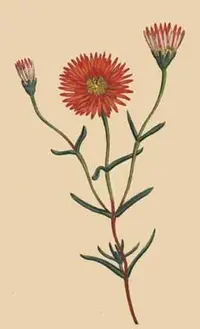
Twocolour Brightfig, Lampranthus bicolor, is a compact, mat-forming succulent from South Africa’s winter-rainfall regions. It belongs to the ice plant group and stores water in its fleshy leaves.
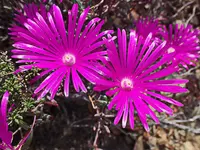
Plants form low, spreading clumps covered in vivid bicolored daisy-like flowers, typically with contrasting pink, magenta, or white tones around a yellow center. The display is most intense in bright, dry conditions.
This species suits sunny, well-drained, low-rainfall gardens and containers, and usually struggles in heavy, wet, or cold soils. Understanding how to care for Twocolour Brightfig mainly involves providing strong light, sharp drainage, and avoiding prolonged moisture around the roots.

Care Difficulty
Easy Care

Light Preference
Full Sun

Water Requirements
Low Water

Temperature Preference
Tropical / Frost Sensitive

Hardiness Zone
9–11

Soil Texture
Sandy, Loamy, Rocky

Soil pH
Slightly acidic (6.5–7.0), Neutral (7.0)

Soil Drainage
Well-drained

Fertilization
Minimal (feed rarely)
Scan your plant to receive care tips personalized for your specific plant
Available on iOS and Android
This sun-loving succulent needs strong light to flower and stay compact.
This drought-tolerant succulent requires infrequent but thorough watering.
This plant favors mild, dry conditions and does poorly in hard frost.
This succulent stays healthiest in dry indoor air, preferring low to moderate humidity around 30–50%.
This plant needs sharply drained, sandy growing media that dries quickly after watering.
This species is well suited to container growing, especially in bright, dry locations.
Lampranthus bicolor benefits from light feeding but excess nutrients quickly reduce flowering and stress the plant.
Pruning Lampranthus bicolor helps maintain a compact mat and encourages better flowering next season.
Container-grown Lampranthus bicolor or young transplants respond best to infrequent but careful moves.
Lampranthus bicolor is commonly multiplied from stem cuttings, with seeds also possible but slower.
Lampranthus bicolor dislikes prolonged freezing and needs simple, dry, cool winter conditions in cold regions.

Plant Health Check
Not sure what's wrong with your plant? Check your plant's health inside the app.
The flowers typically show a distinct two-tone pattern, with white bases and bright magenta to purple tips, which is why the species epithet bicolor was chosen. This sharp color contrast helps attract daytime pollinators such as bees in its native South African habitats.
The daisylike flowers open fully only in bright sunlight and tend to close again in dull light or at night. This nyctinastic behavior, a movement response to light and day length, helps protect the reproductive parts from moisture and cold overnight.
In the wild, this species is native to South Africa’s winter-rainfall regions and naturally grows and flowers during the cooler, wetter months. During the hot, dry summer it relies on its succulent, water-storing leaves to survive extended drought.
Poor flowering usually comes from insufficient light, overly rich or soggy soil, or heavy pruning at the wrong time. Ensure a lean, fast-draining mix, full sun exposure, and prune lightly only after the main flowering period.
Keep your plants happy and healthy with plant identification, disease detection, and easy care guidance.