Elegant Brightfig Care (Lampranthus elegans)

Elegant Brightfig

About Elegant Brightfig

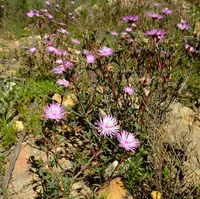
Elegant Brightfig, Lampranthus elegans, is a compact, mat-forming succulent grown mainly for its bright, daisy-like flowers. It typically has slender, fleshy, finger-like leaves and forms low, spreading clumps that suit rock gardens, dry borders, and containers.

This species comes from arid and coastal regions of South Africa, where it thrives in strong sun and very well-drained, sandy or rocky soils. Its drought tolerance and modest nutrient needs make it relatively easy for gardeners who want to care for Elegant Brightfig without frequent watering.

In suitable light and dry conditions it flowers heavily, creating a vivid carpet of color, but it dislikes cold, wet soils and prolonged frost.

Main Plant Requirements

Care Difficulty

Easy Care

Light Preference

Full Sun

Water Requirements

Low Water

Temperature Preference

Tropical / Frost Sensitive

Hardiness Zone

9–11

Soil Texture

Sandy, Loamy, Rocky

Soil pH

Slightly acidic (6.5–7.0), Neutral (7.0)

Soil Drainage

Well-drained

Fertilization

Minimal (feed rarely)

Get Personalized Care Plan

Scan your plant to receive care tips personalized for your specific plant

Available on iOS and Android

How to Care for the Elegant Brightfig

This sun-loving South African succulent needs strong light to flower well and stay compact.

  • Provide 6–8 hours of direct sun daily; full morning sun with some light afternoon shade suits Elegant Brightfig in hot, inland areas.
  • In mild coastal climates, full sun all day is usually tolerated, but watch for leaf bleaching or crispy tips that indicate intense afternoon exposure.
  • Plants grown in too much shade become leggy with fewer blooms; move gradually into brighter sun over 1–2 weeks, especially from late winter to spring.

This drought-tolerant succulent prefers infrequent, deep watering and fast-drying soil.

  • Water only when the top 3–5 cm of soil are completely dry, then soak the root zone and allow excess to drain away quickly.
  • Use sharply draining, sandy or gritty soil; Lampranthus elegans is prone to root rot if water pools or clay soil stays wet for days.
  • Reduce watering sharply in fall and winter; soft, splitting leaves or a mushy base suggest overwatering, while wrinkled, deflated leaves signal underwatering.

This succulent thrives in warm, dry conditions and dislikes prolonged cold or frost.

  • Aim for 65–80°F (18–27°C) during active growth; short spikes up to 90°F (32°C) are tolerated if soil is dry and airflow is good.
  • Protect from frost; foliage damage often begins around 30°F (-1°C), and plants can die with repeated drops below 25°F (-4°C).
  • In regions with cold winters, grow it in the ground only in mild zones and expect best growth and flowering in late spring to early fall when nights stay above 50°F (10°C).

Lampranthus elegans prefers dry air and does not need added humidity.

This succulent needs very fast-draining, mineral-based soil to prevent root rot.

  • Use a gritty, sandy mix such as 60–70% coarse sand or grit with 30–40% cactus potting mix.
  • Ensure the structure stays loose and airy so water drains through in seconds, not minutes.
  • Aim for slightly acidic to neutral pH around 6.0–7.0, avoiding heavy clay or compacted substrates.
  • Add extra pumice or perlite if water pools on the surface or the mix stays damp longer than 1–2 days.

This species grows very well in containers outdoors in sunny, dry locations.

  • Select a wide, shallow pot to match its spreading roots and reduce the risk of water collecting at depth.
  • Choose unglazed terracotta if extra evaporation is needed in wetter climates, or heavier ceramic where wind is strong.
  • Elevate the container on pot feet or bricks so drainage holes stay clear and water runs off quickly after rain or irrigation.

This drought-tolerant succulent needs only light feeding to support flowering and compact growth.

  • Use a low-strength balanced liquid fertilizer (around 10-10-10 or 20-20-20) diluted to 1/4–1/2 strength for Elegant Brightfig.
  • Feed every 4–6 weeks during spring and early summer, when growth and flowering are strongest.
  • Avoid fertilizing in late fall and winter, when the plant rests and light levels drop.
  • Do not use heavy compost or rich organic mixes that retain moisture, as this can increase rot risk.

Pruning helps Lampranthus elegans stay compact, flower well, and avoid becoming woody and sparse.

  • Carry out main pruning after peak flowering in late spring or early summer.
  • Use clean, sharp scissors or hand pruners to remove dead, damaged, or winter-killed stems.
  • Lightly trim back long, leggy shoots to maintain a low, mounded shape and encourage new flowering tips.
  • Avoid cutting into very old, hard wood; focus on younger, green stems for best regrowth.

This succulent is usually grown in the ground or shallow containers and prefers minimal root disturbance.

  • Repot or transplant only when roots circle the pot, growth slows, or soil drains poorly, typically every 2–3 years.
  • Schedule moves for late spring, once frost risk has passed and active growth begins.
  • Handle the root ball gently, shaking off only loose soil and avoiding heavy root tearing.
  • Replant in a wide, shallow container or well-drained garden spot, then water lightly and keep slightly shaded for 3–5 days to limit stress.

New Lampranthus elegans plants are most often produced from stem cuttings, with seeds used less frequently.

  • Take non-flowering tip cuttings in late spring or early summer, about 5–8 cm long.
  • Allow cut ends to dry and callus for 1–2 days to reduce rot, then insert into gritty, well-drained mix.
  • Provide bright light, warm temperatures (65–75°F), and very light moisture until roots form.
  • Sow seeds on the surface of sandy soil, keep just moist, and give bright, indirect light for germination.

This succulent prefers mild, frost-free winters and needs protection in colder climates.

  • In USDA zones 9–11, keep soil sharply drained and avoid winter waterlogging.
  • In cooler areas, grow in containers so plants can be moved indoors or to a bright, frost-free porch.
  • Where light frost may occur, use a light mulch of gravel around the root zone and a breathable fabric cover during cold nights.

Care Tips

Encourage Compact Mounds

Pinch back soft new shoots by 1–2 in after flowering to keep the plant dense, reduce splitting in heavy rain, and promote more uniform future blooming when growing Elegant Brightfig.

Maximize Flower Display

Remove spent flower heads promptly by snapping them off at the base, which reduces seed set and channels energy into new buds for a longer, heavier flowering season.

Protect From Winter Wet

In cold or wet-winter regions, plant on a slight mound or raised bed with a gravel collar around the crown to prevent water from sitting at the base and causing rot.

Use Reflective Mulch

Apply a 1–2 in layer of pale gravel or grit around the plant to keep stems off wet soil, improve drainage at the surface, and reflect light back onto the foliage and flowers.

Renew Aging Clumps

Every 3–4 years, take healthy tip cuttings in late spring or early summer and root them in a very gritty mix, then replace old woody plants with these young, vigorous clones to maintain a full, flowering display.

Common Pests and Diseases

Aphids

This pest feeds on new, tender stems and flower buds, sucking sap and causing distortion and sticky honeydew on Lampranthus elegans. Symptoms include curling shoots, stunted growth, and small insects clustered on growing tips.

Solution

Rinse colonies off with a firm stream of water, then spot-treat remaining clusters with insecticidal soap or a ready-to-use neem oil spray, applied in the early morning or evening. Encourage lady beetles and other natural predators in outdoor plantings and avoid excess nitrogen fertiliser, which promotes soft growth that attracts aphids.

Mealybugs

These insects hide in stem joints and along fleshy leaves, forming white cottony clusters that weaken the plant by sucking sap. Symptoms include sticky residue, yellowing segments, and slowed growth, especially on stressed or crowded plants.

Solution

Isolate the plant, then dab visible mealybugs with cotton swabs dipped in 70% isopropyl alcohol and repeat weekly until clear. For heavier infestations, use a systemic insecticide labeled for ornamental succulents or treat with several rounds of neem oil or insecticidal soap while also improving light and airflow to reduce stress.

Spider mites

This pest thrives in hot, very dry conditions, piercing leaf surfaces and causing fine stippling, dull coloration, and delicate webbing on stems. Symptoms include faded or bronzed foliage and a dusty look on the mat of succulent leaves.

Solution

Increase humidity around the plant slightly without overwatering and gently hose down the foliage, focusing on the undersides to remove mites and webs. Follow with repeated applications of insecticidal soap or horticultural oil at 5–7 day intervals and avoid placing the plant directly next to heat vents or highly reflective walls that create extra dry heat.

Fungal stem rot

This disease affects the water-storing stems when they stay wet too long, causing soft, dark, collapsing segments that spread quickly along the mat. Symptoms include mushy stems at soil level, an unpleasant odor, and sudden dieback of entire sections.

Solution

Immediately cut away all affected, soft tissue back to firm, healthy growth and discard it, then allow the soil to dry almost completely before watering again. Improve drainage by using a very gritty succulent mix, raising containers on pot feet, and watering only in the morning so stems dry quickly, which is critical for Lampranthus elegans care instructions in wetter climates.

Interesting Facts

Spring-flowering succulent shrub

This species forms a low, woody, shrubby mat rather than a soft, herbaceous groundcover, and in late winter to spring it can become almost completely covered by bright magenta to pink daisy-like flowers.

Specialized seed rain-response

In its native winter-rainfall habitats of South Africa, its seed capsules open in response to moisture, a trait called hygrochasy, which helps release seeds during favorable conditions for germination.

Glossy cylindrical foliage

The leaves are short, triangular-cylindrical, and slightly succulent, storing water and reducing surface area, an adaptation to the hot, dry, rocky slopes where the plant naturally occurs.

Botan icon

Did you know?

This species has naturalized in some mild coastal regions outside South Africa, such as parts of southwestern Europe, where its dense, mat-forming habit and heavy flowering have led to use in erosion control on sunny, well-drained banks.

FAQs about Elegant Brightfig

Poor flowering usually comes from insufficient light, excess watering, or nutrient-rich soil that encourages foliage over buds. Keep the plant slightly root-bound, use lean, gritty mix, and avoid high-nitrogen fertilizer to support bud formation.

Grow Healthy Plants with Botan Care

Keep your plants happy and healthy with plant identification, disease detection, and easy care guidance.

Botan plant care app — identify plants on mobile

Explore More Plants