Clean substrate rotation
Rotate colonized substrate blocks or bags every 2–3 flushes by introducing fresh, fully colonized substrate so yields stay stable and contamination pressure stays low.


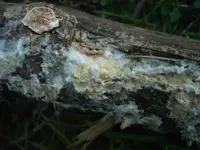
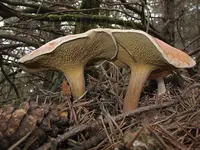
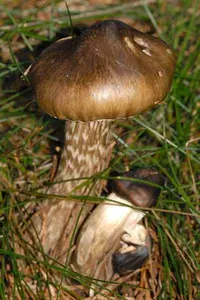
Funnel woodcap, Lentinus sajor-caju, is a cultivated edible mushroom rather than a leafy houseplant. It forms sturdy, funnel-shaped caps with pale to tan surfaces and a firm, meaty texture. The stems are usually short and tough, supporting tight clusters of fruiting bodies.
This species is native to tropical and subtropical regions of Asia and is often grown on logs or prepared substrates. It is considered relatively easy to cultivate under controlled humidity and temperature, which attracts small-scale growers.
For those who want to care for Funnel Woodcap, the main needs are stable moisture, good air circulation, and a clean, low-contamination growing medium.

Care Difficulty
Moderate Care

Light Preference
Partial Shade

Water Requirements
Keep Soil Moist

Temperature Preference
Warm Climate

Hardiness Zone
Unknown

Soil Texture
Organic-rich, Loamy

Soil pH
Acidic (5.5–6.5)

Soil Drainage
Moist but well-drained

Fertilization
Minimal (feed rarely)
Scan your plant to receive care tips personalized for your specific plant
Available on iOS and Android
This saprophytic mushroom prefers bright, indirect light and protection from harsh sun.
This species needs consistently moist, not waterlogged, substrate for reliable fruiting.
This mushroom fruits best in warm, stable conditions without frost or extreme heat.
This mushroom crop needs high, stable humidity for reliable fruiting and clean caps.
This species grows on lignin-rich substrates rather than mineral soil, so focus on woody organic structure and aeration.
This species is well suited to container cultivation using bags, buckets, or boxes filled with prepared substrate.
Lentinus sajor-caju is usually grown on nutrient-rich substrates, so additional fertilizer is modest and targeted rather than heavy.
Pruning in Lentinus sajor-caju culture means hygiene and crop management rather than shaping a plant.
This fungus is not repotted in a traditional sense but managed by transferring colonized substrate to appropriate fruiting conditions.
Propagation of Lentinus sajor-caju relies on sterile culture rather than typical plant methods like cuttings or seeds.
Outdoor or unheated Lentinus sajor-caju setups need thoughtful winter management because this species prefers mild to warm conditions.

Plant Health Check
Not sure what's wrong with your plant? Check your plant's health inside the app.
This species is a white‑rot fungus that breaks down lignin in hardwoods, helping decompose logs and stumps that many other fungi cannot efficiently digest.
Compared with many temperate oyster-type mushrooms, it tolerates relatively high growing temperatures, which has made it popular in warm and tropical regions for small-scale mushroom production.
The fruiting bodies are edible and known for a firm, slightly chewy texture that holds up well in cooking, making them suitable for stir-fries and similar dishes.
This mushroom is considered edible and is cultivated as a food species in many regions. Only consume well-identified, fresh, uncontaminated specimens cooked thoroughly. Avoid wild foraging unless an experienced mycologist confirms correct identification.
Keep your plants happy and healthy with plant identification, disease detection, and easy care guidance.