Shelter From Wind
Plant in a position buffered by larger shrubs or a windbreak fence to protect the fine branchlets from desiccating winds, which can cause dieback in exposed sites.

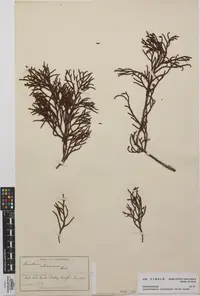
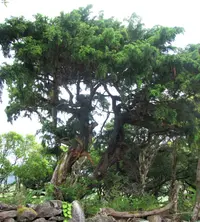
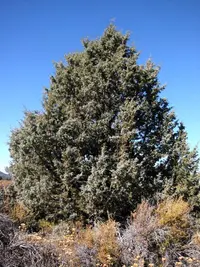
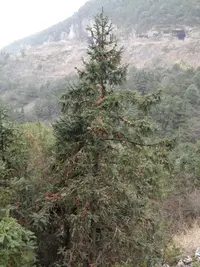
Yellow silver pine, Lepidothamnus intermedius, is a small, slow-growing conifer native to cool, wet forests and bogs of New Zealand. It usually forms a compact shrub or small tree with fine, slender branchlets and tiny scale-like leaves, giving it a soft, feathery texture. The foliage often shows subtle yellow-green to silvery tones, especially in good light, which makes it an interesting feature plant in cool, moist gardens. Growth is generally slow and the plant prefers consistent moisture, acidic soil, and protection from hot, dry conditions. These traits mean it can be somewhat demanding, so learning how to care for Yellow Silver Pine is useful before planting.

Care Difficulty
Hard Care

Light Preference
Partial Shade

Water Requirements
Keep Soil Moist

Temperature Preference
Cool Climate

Hardiness Zone
8–10

Soil Texture
Loamy, Peaty, Organic-rich

Soil pH
Strongly acidic (4.5–5.5), Acidic (5.5–6.5)

Soil Drainage
Moist but well-drained

Fertilization
Minimal (feed rarely)
Scan your plant to receive care tips personalized for your specific plant
Available on iOS and Android
This slow-growing conifer prefers cool, soft light rather than intense, direct sun.
This species prefers consistently moist but never waterlogged soil.
This cool-climate conifer favors mild, stable temperatures without extremes.
This cool-temperate conifer prefers consistently moist air but handles typical outdoor humidity in mild coastal and high-rainfall climates.
This species needs consistently moist, acidic, free-draining soil that mimics cool, organic forest or bog margins.
This slow-growing conifer can be grown in containers, especially in cool, moist climates.
This slow-growing conifer needs only light feeding in cultivation, as Yellow Silver Pine naturally thrives on low-nutrient soils.
Lepidothamnus intermedius needs minimal pruning, mainly for health and subtle shaping rather than size control.
This species is best grown in the ground, with transplanting done carefully due to its fine, sensitive root system.
Propagation of Lepidothamnus intermedius is possible but slow, and usually carried out by specialists or patient growers.
This cool-climate conifer is generally cold hardy in suitable regions and often needs only modest winter attention.

Plant Health Check
Not sure what's wrong with your plant? Check your plant's health inside the app.
This species naturally occurs only in New Zealand, where it grows from lowland bogs to montane forests on the North, South, and Stewart Islands, showing strong adaptation to cool, wet climates.
It often dominates in nutrient-poor, acidic peat bogs and pakihi (waterlogged, infertile terraces), helping stabilize these fragile soils and contributing to long-term peat formation.
Although a conifer, it usually remains a small tree or large shrub, often under 6–8 m in the wild, with very slow growth that reflects the low-nutrient, waterlogged habitats it occupies.

Fossil and molecular evidence suggests this species belongs to an ancient southern hemisphere conifer lineage within Podocarpaceae, making it a living representative of vegetation types that were already present on Gondwana tens of millions of years ago.
This slow-growing conifer can be kept indoors short-term in bright, cool conditions, but it performs better outdoors. Limited indoor air movement, lower light, and dry heating can stress it, so prioritize long-term outdoor placement for best health.
Keep your plants happy and healthy with plant identification, disease detection, and easy care guidance.