Lepisorus excavatus Care

Lepisorus excavatus

About Lepisorus excavatus

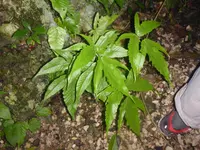
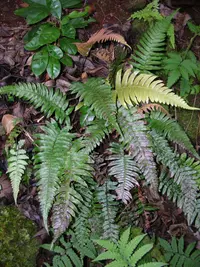
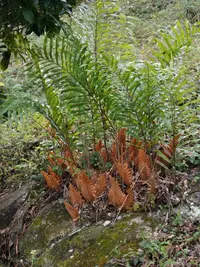
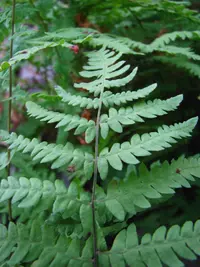
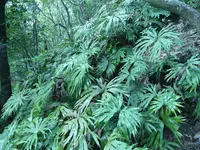
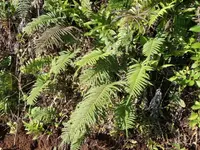
Lepisorus excavatus is a small epiphytic fern, often found growing on rocks or tree trunks in humid forests of East Asia. It forms neat clumps of narrow, arching fronds that give a fine, textured look.

This species prefers cool to mild conditions, steady moisture, and good air movement, which can make it a bit more demanding than common houseplants. Once its needs are understood, it is relatively stable and slow-growing, so it suits careful collectors and fern enthusiasts. Knowing how to care for Lepisorus excavatus helps maintain its compact form and healthy green foliage indoors or in shaded outdoor displays.

Main Plant Requirements

Care Difficulty

Moderate Care

Light Preference

Partial Shade

Water Requirements

Keep Soil Moist

Temperature Preference

Warm Climate

Hardiness Zone

9–11

Soil Texture

Loamy, Rocky, Organic-rich

Soil pH

Acidic (5.5–6.5)

Soil Drainage

Moist but well-drained

Fertilization

Minimal (feed rarely)

Get Personalized Care Plan

Scan your plant to receive care tips personalized for your specific plant

Available on iOS and Android

How to Care for the Lepisorus excavatus

This fern prefers soft, filtered light similar to a shaded forest floor.

  • Provide bright, indirect light or light shade, such as dappled sun under taller plants or 1–3 hours of gentle morning sun, while avoiding harsh midday and afternoon sun.
  • Lepisorus excavatus tolerates partial to deep shade, but in very low light fronds may elongate, become sparse, and show duller color over time.
  • In hot summers, increase shade or use overhead filtering to prevent leaf scorch; in cooler seasons, allow a little more morning or late-afternoon sun to maintain compact growth.

Watering should keep the root zone consistently moist but never waterlogged.

  • Allow the top 1–2 cm of soil or substrate to dry slightly, then water thoroughly so moisture reaches the root area, letting excess drain away fully.
  • During active growth in spring and summer, monitor moisture every few days; in cooler months, let the surface dry a bit deeper and water less often to match slower use.
  • If fronds yellow, wilt while soil is wet, or rhizomes feel soft, reduce watering; crisp tips and curling fronds with dry soil indicate underwatering and the need for more frequent checks.

This fern favors cool to mild conditions with protection from temperature extremes.

  • Aim for 55–75°F (13–24°C) for steady growth, avoiding sudden swings; brief drops slightly below this are tolerated if soils are not waterlogged.
  • Protect from hard frost; fronds may be damaged below about 30°F (-1°C), though established plants can sometimes survive short light freezes with mulch or overhead cover.
  • In hot weather above 80–85°F (27–29°C), increase shade and maintain even moisture; avoid hot, reflected heat from paving or walls, which can overheat the shallow rhizomes.

This fern prefers moderate to high humidity and reacts quickly to very dry air.

  • Aim for 50–70% humidity to keep fronds firm and evenly green.
  • Tolerates short dry spells, but crispy tips, curling fronds, and stalled growth indicate low humidity stress.
  • Increase humidity with a nearby humidifier, grouping plants, or a pebble tray, rather than misting which raises moisture only briefly.

This species prefers a loose, airy, humus-rich mix that stays lightly moist but never waterlogged.

  • Use a mix of roughly 50% fine orchid bark, 30% peat or coco coir, and 20% perlite for a light, fibrous structure.
  • Ensure very fast drainage; water should flow through within seconds and not leave the mix dense or sticky.
  • Aim for slightly acidic to neutral pH (5.5–7.0), similar to woodland or epiphytic fern conditions.
  • Avoid heavy garden soil or pure peat, which compacts, limits aeration, and raises the risk of rhizome rot in Lepisorus excavatus.

This fern adapts well to container growing, especially in shallow, wide pots that mimic its natural spreading habit.

  • Choose a shallow but broad container so rhizomes can creep horizontally without being forced into deep, compact layers.
  • Select a slightly porous pot material such as unglazed clay if the mix stays wet for long periods, to improve evaporation and root oxygen levels.
  • Keep the container stable and low to the ground or mounted securely, as spreading fronds can make lightweight pots tip-prone when the substrate is moist.

This fern grows well with light feeding during the active season and no fertilizer in winter.

  • Use a diluted balanced liquid fertilizer (for example 10-10-10) at 1/4–1/2 strength for Lepisorus excavatus in spring and summer.
  • Apply every 4–6 weeks when growth is active, after watering, to reduce root burn risk.
  • Avoid slow-release pellets packed tightly around the rhizomes, which can cause salt buildup.
  • Do not feed in autumn and winter, when growth slows and nutrient demand is low.

Pruning needs for this fern are minimal and mainly focused on hygiene and appearance.

  • Best time for light pruning is late winter to early spring, before new fronds emerge.
  • Remove dead, yellowing, or damaged fronds at the base with clean, sharp scissors or snips.
  • Thin very crowded fronds to improve air movement and reduce fungal problems in humid spots.
  • Pruning keeps the clump neat but does not significantly alter overall size or growth habit.

This species prefers stable conditions, so repotting or transplanting should be infrequent and gentle.

  • Repot only when roots circle the pot, growth slows, or the plant lifts itself above the substrate.
  • Best timing is early spring, just before new growth, repeating every 3–4 years at most.
  • Choose a shallow, well-drained container and fresh, airy mix, disturbing rhizomes and roots as little as possible.
  • Water thoroughly, keep humidity moderate-high, and shade from harsh sun for 1–2 weeks to reduce transplant stress.

Lepisorus excavatus is most commonly propagated by careful division of rhizomes rather than spores.

  • Divide in early spring when new growth nubs are visible along the rhizome.
  • Lift the clump and cut sections with several healthy fronds and firm rhizome pieces using a sterile knife.
  • Plant divisions shallowly in a moist, well-drained fern mix and keep humidity high but not waterlogged.
  • Maintain bright, indirect light and stable warmth (65–75°F) until new fronds confirm establishment.

This fern has moderate cold tolerance but benefits from some winter protection, especially in containers.

  • In mild climates, mulching the root zone with 3–5 cm of leaf mold or bark helps buffer temperature swings.
  • In colder areas or exposed sites, move potted plants into a sheltered, frost-free but cool space.
  • Avoid waterlogged soil in winter, as cold, saturated conditions increase rhizome rot risk.

Care Tips

Mounting technique

Attach rhizomes to a slab of hardwood bark or a fern board using soft horticultural wire or biodegradable twine, covering only the roots with long-fiber sphagnum so new fronds can emerge freely from the rhizome surface.

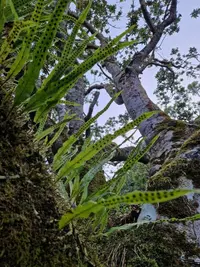
Rhizome inspection

Every 3–4 months gently lift the moss layer and check the rhizome for soft, dark, or foul-smelling sections, trimming these out with sterilized scissors to prevent rot from spreading through the plant.

Moisture buffering layer

On mounted or very shallow plantings, add a thin backing layer of long-fiber sphagnum or fine orchid bark behind the root zone to slow drying and even out moisture between waterings without keeping the rhizome constantly wet.

Air circulation management

Place the plant where there is gentle, constant air movement from a nearby fan or open interior doorway to reduce fungal issues on fronds while avoiding direct drafts from heating or cooling vents.

Cool-season adjustment

In cooler months reduce handling and avoid division, as rhizomes recover and root more reliably if any repotting or splitting is done in late spring or early summer when growing Lepisorus excavatus under indoor conditions.

Common Pests and Diseases

Scale insects

This pest attaches to fronds and rhizomes, forming small brown or tan bumps that suck sap and cause yellowing and loss of vigor.

Solution

Isolate the plant, then gently scrape or wipe scale off fronds and rhizomes with a cotton swab dipped in 70% isopropyl alcohol, and repeat weekly until no new insects appear; improve air movement and avoid overfertilizing, which encourages outbreaks.

Rhizoctonia leaf spot

This disease causes irregular dark brown to black spots or patches on fronds, often starting near the base where the creeping rhizomes sit close to moist substrate or rock surfaces.

Solution

Remove and discard affected fronds, reduce overhead watering, and allow the plant surface and mounting material to dry slightly between waterings; increase airflow and, in persistent cases, apply a fern-safe fungicide labeled for Rhizoctonia following the product instructions.

Soft scale on rhizomes

This pest colonizes the creeping rhizomes and frond bases, producing sticky honeydew and sooty mold that can weaken the plant over time.

Solution

Lift and inspect rhizomes regularly, then manually remove soft scale with a soft brush or cotton swab and alcohol, rinse the plant with lukewarm water, and maintain moderate humidity with good air circulation to reduce reinfestation while following targeted Lepisorus excavatus care instructions.

Aphids

These insects cluster on young frond tips and undersides, sucking sap and causing distorted growth, sticky honeydew, and sometimes black sooty mold on the delicate foliage.

Solution

Rinse fronds thoroughly with a gentle shower of lukewarm water, then treat remaining colonies with insecticidal soap or horticultural oil, ensuring full coverage of undersides and repeating every 5–7 days until populations are gone.

Bacterial blight

This disease shows as water-soaked, translucent lesions on fronds that quickly turn brown and may spread along the midrib, especially under warm, stagnant, high-humidity conditions on mounted or tightly grouped plants.

Solution

Promptly remove and dispose of affected fronds, avoid water standing on foliage, improve spacing and airflow, and water at the base or from below while keeping tools and cutting implements clean to prevent further spread.

Interesting Facts

Crevice-dwelling habit

This fern commonly grows in shaded rock crevices and on cliff faces in East Asia, using its creeping rhizomes to anchor into very thin pockets of substrate instead of deep soil.

Distinct excavated scales

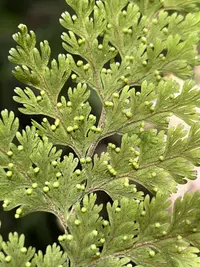
The rhizomes bear scales with a characteristic excavated, or hollowed, appearance at the base, which is a key diagnostic feature used by botanists to separate it from closely related Lepisorus species.

Cool, montane origins

Natural populations occur mainly in cool, humid montane forests, where the plant experiences moderate temperatures, high atmospheric moisture, and strong shelter from direct sun under tree canopies and rock overhangs.

FAQs about Lepisorus excavatus

This fern is evergreen in mild conditions, holding leaves year-round if sheltered from hard frost and very dry air. Older fronds age and thin gradually, so occasional removal of tired fronds keeps the clump looking fresh.

Grow Healthy Plants with Botan Care

Keep your plants happy and healthy with plant identification, disease detection, and easy care guidance.

Botan plant care app — identify plants on mobile

Explore More Plants