Lepisorus fortunei Care

Lepisorus fortunei

About Lepisorus fortunei

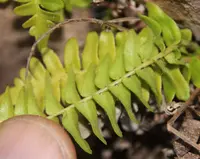
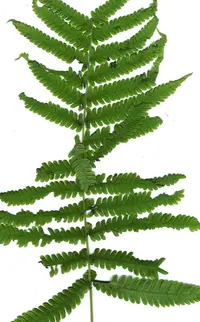
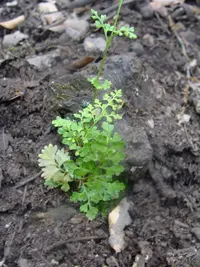
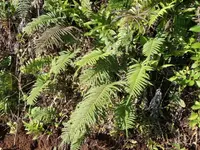
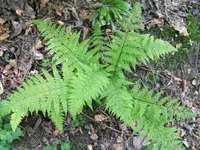
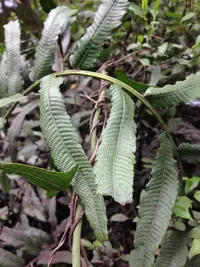
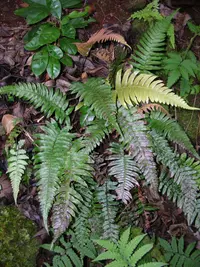
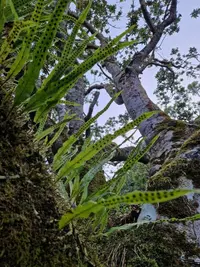
Lepisorus fortunei is a small evergreen fern that typically grows as an epiphyte, anchoring itself on rocks, tree trunks, or mossy banks. Its narrow, arching fronds create a fine, graceful texture.

This species is native to East Asia, where it occurs in shaded forests and humid mountain areas. It prefers cool to mild conditions and steady moisture, which influences how easy it is to keep healthy.

In cultivation, it suits terrariums, mounted displays, or small pots where humidity and shelter from harsh sun can be provided. Gardeners who learn how to care for Lepisorus fortunei often value its compact size and adaptable, slow but steady growth.

Main Plant Requirements

Care Difficulty

Moderate Care

Light Preference

Partial Shade

Water Requirements

Keep Soil Moist

Temperature Preference

Cool Climate

Hardiness Zone

6–9

Soil Texture

Loamy, Peaty, Organic-rich

Soil pH

Acidic (5.5–6.5)

Soil Drainage

Moist but well-drained

Fertilization

Minimal (feed rarely)

Get Personalized Care Plan

Scan your plant to receive care tips personalized for your specific plant

Available on iOS and Android

How to Care for the Lepisorus fortunei

This fern prefers soft, woodland-style light rather than direct, intense sun.

  • Provide 2–4 hours of gentle morning sun or bright dappled shade; avoid harsh midday and afternoon sun that can scorch fronds.
  • Grow in partial to full shade outdoors, using filtered light under trees or 30–50% shade cloth in exposed gardens for balanced growth.
  • If fronds become pale, leggy, or sparse, light is likely too low; move Lepisorus fortunei to a slightly brighter, still protected position.

This fern prefers evenly moist, never waterlogged soil that mimics a damp forest floor.

  • Water when the top 2–3 cm of soil feels barely dry, aiming for consistently moist soil around the roots without standing water.
  • Increase watering in warm, active growth periods and reduce slightly in cooler months, but do not allow the root zone to dry out completely.
  • Watch for yellowing, mushy rhizomes or a sour smell as signs of overwatering, and crisp, browning frond tips as a sign the plant is staying too dry.

Stable, cool to mild temperatures support healthy growth and reduce stress for this fern.

  • Aim for 55–75°F (13–24°C) for best growth, with slightly cooler nights resembling woodland conditions.
  • Tolerates short dips to about 25°F (-4°C) once established, but repeated hard frosts or freezing winds can damage fronds and young growth.
  • In hot spells above 85°F (29°C), provide extra shade, mulch to insulate roots, and monitor soil moisture to prevent heat and drought stress.

This fern prefers moderately humid air to keep fronds healthy and resilient.

  • Aim for 50–70% humidity, as very dry indoor air causes frond tips to brown and curl.
  • It tolerates brief dips to 30–40%, but prolonged dryness leads to slower growth and a tired, drooping appearance.
  • Increase humidity with a nearby humidifier, grouped plants, or a pebble tray, rather than misting, to reduce fungal risk.

This species prefers a loose, organic-rich, well-drained medium similar to forest litter on rock or bark.

  • Use a mix of 40% fine bark, 30% peat or coco coir, and 30% perlite or pumice for both moisture retention and air spaces.
  • Aim for slightly acidic to neutral pH, around 5.5–7.0, which supports nutrient uptake and healthy root function.
  • Ensure rapid drainage; water should flow through in seconds, not pool on the surface or leave the mix soggy afterward.
  • Avoid dense garden soil or heavy clay that compacts, suffocates rhizomes, and increases the risk of rot in Lepisorus fortunei.

This fern is well suited to container growing when its shallow, creeping rhizomes are considered in pot choice.

  • Select a wide, shallow pot that allows rhizomes to spread horizontally rather than a deep, narrow container.
  • Choose a relatively heavy or low, stable pot shape so the container does not tip as fronds arch outward over time.
  • Use containers with multiple small drainage holes to let water exit quickly while keeping the loose, barky mix from washing out.

This fern benefits from light, steady nutrition but reacts poorly to heavy feeding.

  • Use a balanced, dilute liquid fertilizer (around 10-10-10) at 1/4–1/2 strength during active growth in spring–summer.
  • Apply every 4–6 weeks for container-grown Lepisorus fortunei; epiphytic mounts usually need less.
  • Skip fertilizer on dry soil; water first to avoid root burn.
  • Reduce or stop feeding in fall–winter when growth slows.

Pruning focuses on hygiene and maintaining a neat, airy clump rather than reshaping the fern.

  • In late winter or early spring, remove dead, yellowing, or diseased fronds at the base with clean scissors.
  • Trim damaged tips lightly to improve appearance without cutting into healthy frond midribs.
  • Thin out crowded, overlapping fronds to increase airflow and reduce fungal issues on Lepisorus fortunei.
  • Disinfect tools before and after use to limit disease spread.

This fern prefers to stay slightly root-bound, so repotting or remounting is infrequent and gentle.

  • Plan repotting or transplanting in spring when new growth starts and recovery is fastest.
  • Look for roots circling the pot, escaping drainage holes, or noticeably slower growth as signs to act.
  • Repot every 2–3 years at most, shifting to a slightly larger, shallow container with airy, well-drained mix.
  • Handle roots carefully, keep original root ball largely intact, then water thoroughly and keep in shaded, humid conditions for 1–2 weeks.

Propagation is typically done by division, which keeps the characteristics of the parent Lepisorus fortunei.

  • Divide established clumps in spring when new fronds emerge and stress is minimized.
  • Lift the plant gently and separate rhizomes so each division has several fronds and a healthy root section.
  • Plant divisions in a loose, moisture-retentive but well-drained medium, then water to settle roots.
  • Maintain high humidity, bright indirect light, and evenly moist soil until new growth shows firm establishment.

This fern is moderately cold tolerant but appreciates some protection in colder climates.

  • In-ground plants in mild regions usually overwinter without major intervention.
  • Where temperatures drop below about 25°F, apply a 5–8 cm mulch around the root zone, keeping it off the crown.
  • Move container-grown Lepisorus fortunei into a cool, frost-free, bright area for winter.
  • Reduce watering in winter, keeping the medium just barely moist to prevent rot.

Care Tips

Mounting technique

Mount the rhizomes on cork bark or hardwood with a thin layer of long-fiber sphagnum around the roots, then secure gently with biodegradable twine so the plant can establish as an epiphyte without being strangled as it thickens.

Rhizome positioning

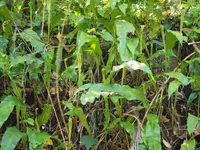
When potting or mounting, keep the rhizome on or just above the surface rather than buried, so new fronds can emerge freely and the rhizome does not rot in constantly wet media.

Targeted cleaning

Rinse fronds and rhizomes under a gentle stream of lukewarm water every 4–6 weeks to remove dust, spores, and pests, then let excess water drip off before returning the plant to its place.

Seasonal rest adjustment

In winter, slightly reduce both watering frequency and handling, and avoid repotting or dividing unless necessary, as the plant directs more energy to root and rhizome maintenance during its slower growth phase.

Division and renewal

Every 2–3 years, divide thick, crowded rhizome mats with a clean, sharp knife into sections with several healthy fronds and root clusters, then remount or repot at the same height to maintain vigor when growing Lepisorus fortunei.

Common Pests and Diseases

Scale insects

This pest attaches to fronds and rhizomes, sucking sap and causing yellowing, speckling, and poor growth. Symptoms include small brown or tan bumps that feel hard and do not rub off easily.

Solution

Physically remove insects with a cotton swab dipped in 70% isopropyl alcohol, then rinse fronds gently with lukewarm water. For persistent infestations, use repeated applications of a ready-to-use insecticidal soap or horticultural oil, making sure to coat the undersides of fronds and the creeping rhizomes while protecting the plant from direct sun until dry.

Mealybugs

These insects hide in frond bases and along the thin rhizomes, leaving white, cottony clusters and sticky honeydew. This pest weakens the fern, leading to distorted new fronds and increased risk of sooty mold.

Solution

Inspect joints, frond bases, and rhizomes, then dab visible mealybugs with a cotton swab soaked in 70% isopropyl alcohol and rinse the plant. Improve air circulation, isolate the plant, and repeat treatments with insecticidal soap every 7–10 days until no new insects appear.

Rhizoctonia leaf spot

This disease causes small, water-soaked spots on fronds that enlarge into irregular brown or tan patches with darker margins. Symptoms include thinning fronds, reduced vigor, and patchy dieback in dense clumps, especially in warm, humid conditions with poor air flow.

Solution

Remove and discard affected fronds, then reduce overhead watering and avoid wetting foliage, especially late in the day. Space plants to improve airflow and, if the problem persists, apply a fern-safe fungicide labeled for leaf spot, following label intervals and keeping the potting medium evenly moist but not soggy.

Pythium rhizome rot

This disease affects the creeping rhizomes and fine roots, causing blackened, mushy tissue, stunting, and sudden collapse of fronds. Symptoms include a sour or musty smell from the pot and failure of new fronds to unfurl normally in overly wet substrates.

Solution

Unpot the plant, trim away all dark, soft rhizome and roots with sterilized tools, and repot into fresh, well-drained, fine-textured mix that still holds moisture. Reduce watering, allow the surface to dry slightly between waterings, ensure the pot has good drainage, and avoid letting water sit in saucers; discard severely affected plants to prevent spread to nearby ferns.

Fungal frond blight

This disease appears as irregular brown or gray necrotic areas starting at frond tips or edges, often with a dry, papery texture. Symptoms include premature frond dieback in cool, damp, low-light conditions, especially when air movement is low.

Solution

Remove blighted frond sections promptly, dispose of them away from other plants, and increase light to bright shade with better air movement. Water at the substrate level, keep fronds dry when possible, and consider a light application of a broad-spectrum fungicide labeled safe for ferns if new lesions continue to appear.

Interesting Facts

Epiphytic rock specialist

In the wild, this fern commonly grows as an epiphyte on tree trunks or as a lithophyte on shaded rock faces, anchoring its short creeping rhizomes into moss and crevices rather than soil.

Ribbon-like fertile fronds

Its fertile fronds develop neat rows of small, elongated sori (spore clusters) along the undersides, giving older leaves a finely dotted appearance that contrasts with the smooth sterile fronds.

Cool, humid forest native

This species is naturally found in cool, moist forests of East Asia, especially China and Japan, where it benefits from constant air moisture, filtered light, and protection from direct sun and frost.

FAQs about Lepisorus fortunei

Brown tips usually come from low humidity, excess fertilizer salts, or irregular moisture. Improve air humidity, flush the potting mix occasionally, and keep the substrate evenly moist but not saturated to prevent further tissue damage.

Grow Healthy Plants with Botan Care

Keep your plants happy and healthy with plant identification, disease detection, and easy care guidance.

Botan plant care app — identify plants on mobile

Explore More Plants