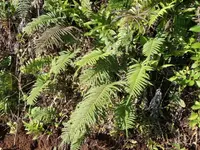
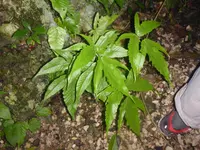
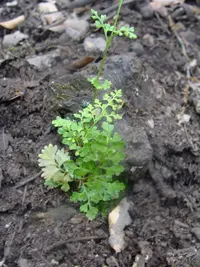
toothed latticevein fern Care (Thelypteris serrata)

Also known as: Dentate lattice-vein fern
toothed latticevein fern

About toothed latticevein fern

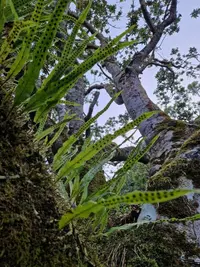
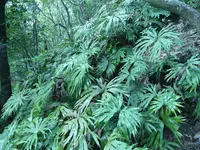
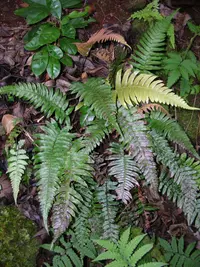
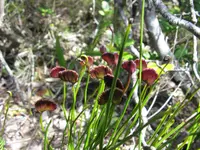
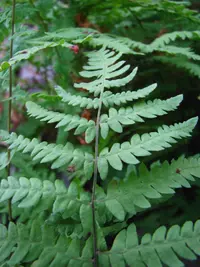
The toothed latticevein fern, Thelypteris serrata, is a terrestrial fern usually found in warm, humid forests and along shaded stream banks. It forms low, spreading clumps with elegant, finely toothed fronds that create a soft, textured look.

In nature it typically grows in consistently moist, well-drained, humus-rich soil under dappled or filtered light. Its preference for stable moisture and humidity can make it slightly more demanding than average houseplants, but it is manageable with attentive care. Gardeners who learn how to care for toothed latticevein fern often grow it successfully in shaded gardens, fern collections, or sheltered outdoor containers in mild climates.

Main Plant Requirements

Care Difficulty

Moderate Care

Light Preference

Partial Shade

Water Requirements

Keep Soil Moist

Temperature Preference

Tropical / Frost Sensitive

Hardiness Zone

10–12

Soil Texture

Loamy, Silty, Organic-rich

Soil pH

Acidic (5.5–6.5), Slightly acidic (6.5–7.0)

Soil Drainage

Moist but well-drained

Fertilization

Minimal (feed rarely)

Get Personalized Care Plan

Scan your plant to receive care tips personalized for your specific plant

Available on iOS and Android

How to Care for the toothed latticevein fern

This fern prefers soft, forest-like light that avoids harsh midday sun.

  • Provide bright, filtered light or dappled shade, such as under taller plants or a light tree canopy, with 2–4 hours of gentle morning sun if possible.
  • Allow partial shade; toothed latticevein fern tolerates low light but fronds become sparse or elongated if it receives less than 2 hours of indirect light most days.
  • Shield from strong midday and afternoon sun, which can scorch fronds and dry soil quickly, especially in summer at lower latitudes.

This species prefers consistently moist but not waterlogged soil around its root zone.

  • Aim for soil that stays evenly damp; allow only the top 1–2 cm to lose surface sheen before watering again, avoiding complete drying of the root area.
  • Use humus-rich, well-drained soil so excess water can escape; prolonged puddling, sour odor, or blackened rhizomes indicate overwatering and poor aeration.
  • In hotter months, monitor more often as fronds wilt or curl slightly when too dry; in cooler seasons, reduce watering frequency while keeping soil lightly moist.

This fern thrives in warm, frost-free conditions similar to a sheltered woodland floor.

  • Maintain ideal growing temperatures around 65–80°F (18–27°C), where frond production and overall vigor are strongest.
  • Protect from cold; growth slows below 55°F (13°C), and prolonged exposure near 40°F (4°C) or any frost can damage or kill fronds.
  • In hot climates, it tolerates short periods up to about 90°F (32°C) if soil moisture and shade are adequate, especially during dry, windy weather.

This fern benefits from consistently moist air and reacts quickly to dry conditions.

  • Aim for 60–80% humidity to mimic its native understory habitat, especially indoors.
  • It tolerates brief dips to 40–50% but prolonged dry air causes crisping frond tips and brown edges.
  • Use a wide pebble tray under the pot or place toothed latticevein fern among grouped plants to raise local humidity.

This species prefers loose, moisture-retentive soil that still drains freely.

  • Use a mix of 50–60% peat or coco coir with compost plus 20–30% perlite or fine bark to create a fibrous, organic-rich base.
  • Target a slightly acidic pH around 5.5–6.5, avoiding alkaline mixes that can limit nutrient availability.
  • Ensure the mix holds moisture but drains within a few minutes; add more perlite or bark if water lingers on the surface.
  • Avoid heavy clay, unamended garden soil, or compacted media that reduce aeration and encourage root rot in Thelypteris serrata.

This fern adapts well to container growing when moisture and stability are managed.

  • Choose a wide, shallow pot to accommodate its spreading rhizomes and reduce tipping as fronds expand outward.
  • Select a heavier material like ceramic if growing outdoors in breezy spots to stabilize the fern’s arching foliage.
  • Leave 2–3 cm of headspace below the rim to allow slow watering without overflow, which helps keep the mix evenly moist.

This woodland fern grows best in humus-rich soil and usually needs only light feeding in containers or poor substrates.

  • Use a balanced liquid fertilizer (around 10-10-10 or 20-20-20) at 1/4–1/2 strength for toothed latticevein fern in pots.
  • Feed every 4–6 weeks during the active growing season, after watering, to avoid root burn.
  • Skip synthetic fertilizer for in-ground plants in fertile soil; top-dress with a thin layer of compost in spring.
  • Stop feeding in late fall and during winter dormancy to prevent soft, weak growth.

Pruning needs for Thelypteris serrata are minimal and focus on hygiene rather than shaping.

  • Cut off dead, yellowing, or damaged fronds at the base whenever they appear, using clean, sharp scissors or pruners.
  • In late winter or early spring, remove old, tattered fronds to make space for new growth.
  • Thin out densely crowded fronds to improve air movement and reduce fungal issues in humid climates.
  • Avoid heavy cutting into the crown; preserving healthy fronds maintains photosynthesis and plant vigor.

This fern prefers stable conditions and benefits from infrequent but careful transplanting when clearly root-bound or crowded.

  • Check containers every 2–3 years; roots emerging from drainage holes or tight circling indicate the need to move up 1 pot size.
  • Transplant or divide outdoor clumps in early spring or early fall, when temperatures are mild and soil is evenly moist.
  • Lift the root ball gently, keep as much soil around the roots as possible, and disturb the root mass only slightly.
  • Replant at the same depth, water thoroughly, and shade from strong sun for 1–2 weeks to reduce transplant shock.

This fern is most reliably propagated by division, with spore raising reserved for patient growers with controlled conditions.

  • Divide mature clumps in early spring when new croziers (emerging fronds) just start to show.
  • Lift the plant, then split the root mass into sections, each with several healthy fronds and firm rhizome or crown.
  • Replant divisions into moist, humus-rich soil, firm gently, and keep evenly moist in bright, indirect light until established.
  • Spore propagation requires sterile, consistently moist medium, high humidity, and stable warmth, so it is usually a specialist method.

In mild climates this fern is fairly cold tolerant, but extended freezes demand some simple winter precautions.

  • In zones warmer than about USDA 8, plants overwinter outdoors with little intervention once established.
  • Apply 3–5 cm of leaf mold or shredded bark mulch around the root zone in late fall, keeping it off the crown.
  • Move container-grown plants into a frost-free, cool, bright area when temperatures drop near freezing.

Care Tips

Mulch Moisture Buffer

Apply a thin 1–2 cm layer of fine bark or leaf mold over the root zone to keep the shallow rhizomes evenly moist and cool, but keep mulch slightly back from the crown to prevent rot.

Division For Renewal

Divide overcrowded clumps every 3–4 years in early spring, cutting the root mass into sections with several healthy fronds each and replanting immediately to maintain vigor and control spread when growing toothed latticevein fern.

Frond Edge Monitoring

Inspect frond undersides and toothed margins monthly for scale, mites, or fungal spotting, and remove and discard affected fronds promptly to stop problems before they spread through the colony.

Gradual Site Shifting

If a relocation is needed, move the plant gradually over 2–3 weeks by shifting the container or providing temporary shade cloth in the new site so the fronds adapt without scorch or sudden stress.

Ground-Level Watering

Aim irrigation at soil level with a gentle flow or soaker hose, avoiding constant wetting of fronds, which reduces foliar disease risk and keeps the fine pinnae intact and cleaner over time.

Common Pests and Diseases

Scale insects

This pest attaches to fronds and stems, sucking sap and causing yellowing, weak fronds, and sticky honeydew that may lead to sooty mold. Infestations often develop on ferns growing in shaded, humid corners with limited air movement.

Solution

Remove heavily infested fronds and gently scrape or wipe remaining scales with a cotton pad dipped in insecticidal soap or a light horticultural oil, taking care not to saturate delicate fronds. Improve air circulation around the plant and repeat treatments every 7–10 days until no new scale is seen, which supports stable toothed latticevein fern indoor care.

Fern aphids

These insects cluster on young frond tips and undersides, causing curling, distortion, and sticky honeydew. Symptoms include slowed frond expansion and increased susceptibility to fungal growth on the honeydew surface.

Solution

Rinse fronds thoroughly with a gentle stream of lukewarm water to dislodge aphids, then treat remaining colonies with insecticidal soap, ensuring full coverage of undersides. Avoid high nitrogen fertilization that encourages soft, susceptible growth and monitor new fronds weekly, repeating treatment if necessary.

Rhizoctonia leaf blight

This disease causes irregular brown lesions that start at frond bases or points of contact between wet fronds and spread in humid, crowded conditions. Symptoms include collapsing fronds and a patchy, blighted appearance rather than uniform yellowing.

Solution

Remove and discard all affected fronds, avoiding contact with healthy foliage, and space plants to keep fronds from staying wet for long periods. Water at the soil line in the morning, improve airflow, and, in severe or persistent cases, apply a fungicide labeled for ornamental ferns following the product rate and interval directions carefully.

Pseudocercospora leaf spot

This disease produces numerous small, dark brown to purple spots on fronds that may merge into larger patches, especially along the midrib and veins. Over time, spots can cause partial frond yellowing and premature frond dieback.

Solution

Trim and discard affected fronds to reduce spore load, keeping cutting tools sanitized between plants. Reduce overhead watering, avoid leaf wetness late in the day, and if spotting continues, use a suitable ornamental-fungus spray in rotation, always following label instructions for ferns.

Interesting Facts

Preference for wet soils

This species commonly grows along stream banks, swamp margins, and other saturated sites, showing a strong preference for consistently moist, lowland habitats in the tropics and subtropics.

Distinctive toothed veins

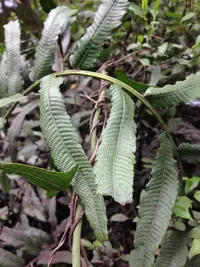
The leaf segments have small teeth along the margins and a clearly lattice-like network of secondary veins, which together inspired the common name toothed latticevein fern.

Spores and colonization

Its spores are produced on the undersides of the fronds and can be widely dispersed by wind, allowing the species to colonize disturbed, open, or newly wet areas relatively quickly in suitable climates.

FAQs about toothed latticevein fern

This species spreads slowly by short creeping rhizomes and spores, forming clumps rather than running widely. It can naturalize in moist, shaded beds but is not typically aggressive if given moderate space and routine maintenance.

Grow Healthy Plants with Botan Care

Keep your plants happy and healthy with plant identification, disease detection, and easy care guidance.

Botan plant care app — identify plants on mobile

Explore More Plants