parasitic maiden fern Care (Thelypteris parasitica)

parasitic maiden fern

About parasitic maiden fern

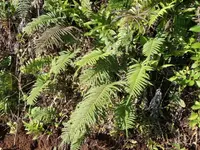
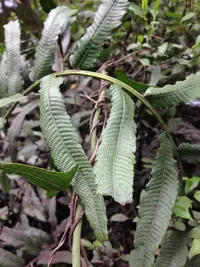
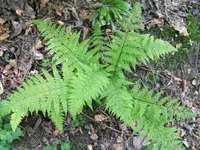
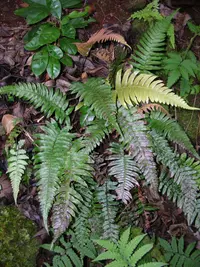
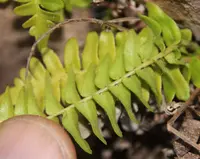
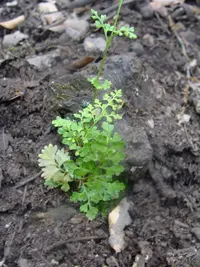
Parasitic maiden fern, Thelypteris parasitica, is a small to medium-sized terrestrial fern often found in moist, shaded tropical and subtropical habitats. It typically forms loose clumps with delicate, finely divided fronds that give it a soft, airy look.

In nature, it grows on forest floors or banks with consistently damp, humus-rich soil and high humidity. In cultivation, it can adapt to containers if protected from direct harsh sun and allowed to stay evenly moist.

Its thin fronds and preference for stable moisture and humidity mean it suits more attentive growers. Understanding how to care for parasitic maiden fern helps prevent drying, frond scorch, and stress-related decline.

Main Plant Requirements

Care Difficulty

Moderate Care

Light Preference

Partial Shade

Water Requirements

Keep Soil Moist

Temperature Preference

Tropical / Frost Sensitive

Hardiness Zone

10–12

Soil Texture

Loamy, Silty, Organic-rich

Soil pH

Acidic (5.5–6.5)

Soil Drainage

Moist but well-drained

Fertilization

Minimal (feed rarely)

Get Personalized Care Plan

Scan your plant to receive care tips personalized for your specific plant

Available on iOS and Android

How to Care for the parasitic maiden fern

This fern prefers soft, forest-like light rather than direct, open sun.

  • Provide 3–5 hours of bright, filtered light each day, such as dappled shade under taller plants or a lightly shaded porch for parasitic maiden fern.
  • Tolerates full shade but frond growth becomes sparse and leggy; increase indirect light if fronds pale or stretch toward brighter areas.
  • Avoid strong midday and afternoon sun, which can scorch fronds; in hot summers, give morning sun only and deeper shade from about 11 a.m. onward.

This fern thrives in consistently moist but not waterlogged soil.

  • Water when the top 2–3 cm of soil feels just barely dry; soil below should still feel slightly damp to the touch.
  • Use loose, humus-rich soil with good drainage so Thelypteris parasitica roots stay moist yet aerated, reducing risk of rot and fungal issues.
  • In warm seasons, monitor more often and increase watering as fronds droop or curl from dryness; in cooler seasons, let the surface stay lightly dry longer to avoid soggy conditions.

This fern prefers warm, stable temperatures similar to a sheltered tropical understory.

  • Ideal growth occurs at 65–80°F (18–27°C), with steady humidity and protection from strong drying winds.
  • Tolerates brief dips to about 50°F (10°C) but growth slows; prolonged exposure below 45°F (7°C) can damage fronds and rhizomes.
  • Avoid frost entirely and protect from extreme heat above 90°F (32°C) by increasing shade and humidity, and ensuring soil does not dry out fully during hot spells.

This fern prefers consistently moist air and reacts quickly to dry indoor conditions.

  • Aim for 60–80% humidity, as parasitic maiden fern declines in typical heated or air-conditioned rooms below ~50%.
  • Crisping frond tips, stalled new growth, and rolled young fronds indicate humidity stress rather than underwatering.
  • Use a wide pebble tray, group plants closely, or run a small humidifier nearby instead of misting, which raises humidity only briefly.

This species grows best in loose, moisture-retentive but airy, organic-rich substrate.

  • Use a mix of roughly 50% peat or coco coir, 30% fine bark, and 20% perlite for Thelypteris parasitica in pots or baskets.
  • Aim for slightly acidic to neutral pH around 5.5–7.0, which favors nutrient availability and root function.
  • Ensure excess water drains freely; the mix should feel springy and crumbly, never compacted or sticky after watering.
  • Avoid heavy garden soil, pure compost, or mixes with a high clay fraction, which restrict aeration and promote root rot.

This fern adapts well to container growing when the pot and medium support its shallow, fibrous roots.

  • Choose a wide, relatively shallow pot to match its spreading root system and avoid unused, soggy lower layers of mix.
  • Use a heavier or terracotta container if the fronds become large, to keep the plant from tipping in light wind or on busy shelves.
  • Raise the pot slightly on feet or a stand so drainage holes stay clear and air can move around the base of the container.

This fern grows in modest soils but benefits from light feeding in containers or nutrient-poor sites.

  • Use a balanced liquid fertilizer (around 10-10-10) diluted to 1/4–1/2 strength for parasitic maiden fern.
  • Feed every 4–6 weeks during the warm growing season when new fronds are forming.
  • Skip or greatly reduce feeding in winter or any dormant period to avoid salt buildup.
  • Compost or a mild slow-release fertilizer in spring can support steady, non-surge growth.

Pruning Thelypteris parasitica focuses on sanitation and maintaining a neat clump.

  • Best time is late winter to early spring, before strong new growth starts.
  • Remove dead, yellowing, or damaged fronds at the base using clean, sharp scissors or hand pruners.
  • Thin out crowded, overlapping fronds to improve air movement and reduce disease risk.
  • Selective removal of older fronds maintains a balanced shape and encourages fresh foliage.

This fern is usually grown in the ground but can adapt to containers with occasional transplanting.

  • Check for roots circling the pot, tight root mass, or slowed growth as signs it needs a larger container.
  • Plan repotting or transplanting in spring or early summer, when conditions are warm and stable.
  • Move to a pot 2–3 cm wider, using a loose, moisture-retentive mix, disturbing roots as little as possible.
  • Water thoroughly afterward, keep in shaded, humid conditions for 1–2 weeks, and avoid heavy feeding until recovery.

New plants are most reliably produced by division rather than from spores for home growers.

  • Divide established clumps in spring when active growth resumes and soil is warming.
  • Lift the plant carefully, then split the rhizome into sections, each with several healthy fronds and roots.
  • Replant divisions at the same depth in moist, well-drained, shaded sites or pots with fern mix.
  • Maintain high humidity, steady moisture, and indirect light to support rooting and reduce transplant stress.

This fern is only moderately tolerant of cold and benefits from some winter protection in cooler climates.

  • Avoid exposure to hard frost or prolonged freezes, especially below 32°F.
  • Mulch the root zone with 5–8 cm of leaf mold or bark in late fall to insulate the crown.
  • In containers, move plants to a frost-free, bright, cool indoor or sheltered spot for winter.

Care Tips

Epiphytic Mounting

Attach the fern to a slab of cork, tree fern fiber, or rough bark with sphagnum moss and soft ties to mimic its natural epiphytic habit and improve airflow around the rhizomes.

Rhizome Division

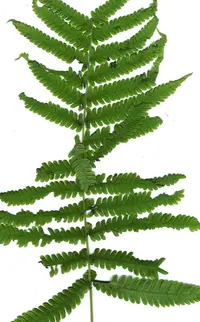
Every 2–3 years, divide congested rhizomes in early spring, keeping several fronds and healthy roots per division, to maintain vigor and create backup plants in case of loss.

Frond Hygiene

Rinse fronds gently under lukewarm water every 4–6 weeks to remove dust, spider mites, and scale crawlers, allowing the plant to photosynthesize more efficiently.

Support For Arching

Use discreet U-shaped pins or small fern stakes to support long, arching fronds so they do not kink or snap where they emerge from the rhizome.

Quarantine New Plants

Keep any new ferns or nearby houseplants isolated for 2–3 weeks and inspect undersides of fronds before placing them together, which greatly reduces pest spread when caring for parasitic maiden fern.

Common Pests and Diseases

Scale insects

These insects attach to fronds and stipes, appearing as small brown or tan bumps and causing yellowing, slow growth, and sticky honeydew on nearby surfaces.

Solution

Remove heavily infested fronds, then wipe remaining fronds and stems with a soft cloth dipped in a dilute insecticidal soap or neem oil solution, repeating every 7–10 days until new growth is clean. Improve air movement around the fern and avoid overfertilizing, which encourages scale buildup on Thelypteris parasitica fronds.

Fern aphids

These insects cluster on young fronds and undersides of leaflets, causing distortion, curling, and sticky residue that can lead to sooty mold growth.

Solution

Rinse fronds thoroughly with a gentle but firm stream of water to dislodge aphids, then follow with a spray of insecticidal soap directed at the undersides of fronds. Repeat treatments weekly until no new aphids appear and avoid high nitrogen fertilization that promotes soft, aphid-prone growth.

Rhizoctonia leaf blight

This disease produces irregular brown lesions and blighted patches on fronds, often starting near the soil surface where humidity stays high and air circulation is low.

Solution

Cut and discard all affected fronds, then reduce overhead watering and increase spacing and airflow around the plant to let fronds dry faster. In severe or recurrent cases, apply a fern-safe fungicide labeled for Rhizoctonia and keep the substrate evenly moist but never soggy.

Anthracnose

This disease causes small, water-soaked spots that enlarge into tan or dark brown patches along frond edges and tips, sometimes leading to premature frond drop.

Solution

Remove and dispose of spotted fronds, avoid splashing water on foliage, and water at the base in the morning so fronds dry quickly. Improve ventilation and, if needed, apply a labeled broad-spectrum fungicide, monitoring new fronds closely for any fresh lesions.

Interesting Facts

Epiphytic rooting habit

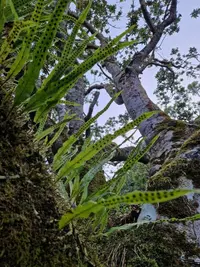
This fern often grows as an epiphyte on tree trunks and branches in humid forests, anchoring its roots in bark crevices and organic debris rather than in soil.

Preference for low light

In the wild, it typically occupies deeply shaded understory or lower canopy positions, adapted to consistently low light levels beneath dense tropical and subtropical forest cover.

Wide tropical distribution

The species occurs naturally across parts of tropical Asia and the Pacific, including regions such as India, Southeast Asia, and some Pacific islands, where it favors warm, moist habitats.

FAQs about parasitic maiden fern

This species is naturally adapted to warm, shaded, humid outdoor habitats, but can adjust to bright, sheltered patios and shaded courtyard gardens. Indoors, conditions are harder to match, so parasitic maiden fern indoor care usually demands consistent humidity and airflow.

Grow Healthy Plants with Botan Care

Keep your plants happy and healthy with plant identification, disease detection, and easy care guidance.

Botan plant care app — identify plants on mobile

Explore More Plants