Mounting on slabs
Attach rhizomes to cork or hardwood slabs with soft ties and a thin layer of long-fiber sphagnum so the roots can grip and air can circulate, which closely mimics its natural epiphytic growth habit.

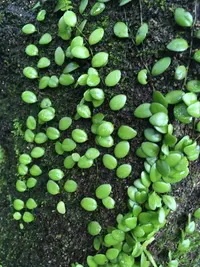
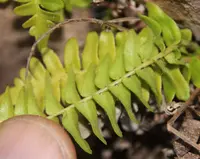
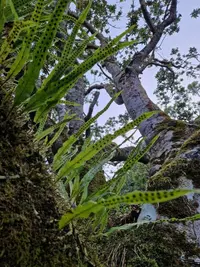
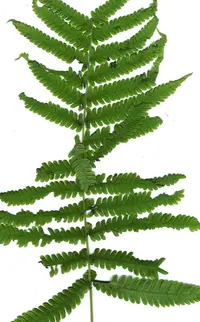
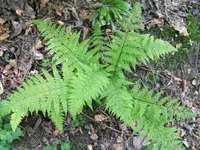
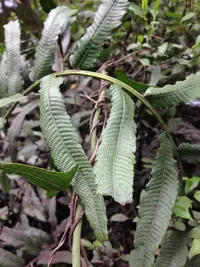
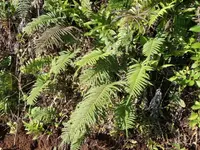
Lepisorus microphyllus is a small epiphytic fern that often grows on tree trunks, rocks, or mossy logs in humid forests. It forms low, spreading clumps of narrow, simple fronds with a fine, delicate look.
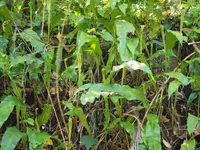
This species is native to parts of Asia and Australasia, where it benefits from shaded, consistently moist habitats with good air circulation. Its slow, steady growth and preference for stable humidity make it moderately easy to grow when conditions are right.
To care for Lepisorus microphyllus, provide soft, indirect light, lightly moist but not waterlogged substrate, and protection from dry indoor air or strong sun.

Care Difficulty
Moderate Care

Light Preference
Partial Shade

Water Requirements
Keep Soil Moist

Temperature Preference
Warm Climate

Hardiness Zone
9–11

Soil Texture
Loamy, Rocky, Organic-rich

Soil pH
Acidic (5.5–6.5), Slightly acidic (6.5–7.0)

Soil Drainage
Moist but well-drained

Fertilization
Minimal (feed rarely)
Scan your plant to receive care tips personalized for your specific plant
Available on iOS and Android
This fern prefers soft, filtered light similar to a shaded forest floor.
This species prefers evenly moist conditions without waterlogging.
Stable, mild temperatures support healthy growth and frond longevity.
This fern benefits from consistently moist air and reacts quickly to very dry conditions.
This species prefers a loose, airy, organic-rich substrate that mimics leaf litter on rocks or tree trunks.
This fern is well suited to container culture when the pot supports its shallow, creeping rhizomes.
This fern needs modest feeding, as Lepisorus microphyllus is adapted to low-nutrient forest habitats.
Pruning focuses on hygiene and maintaining a neat clump rather than shaping Lepisorus microphyllus.
Repotting or transplanting aims to relieve crowding while disturbing the shallow rhizomes of Lepisorus microphyllus as little as possible.
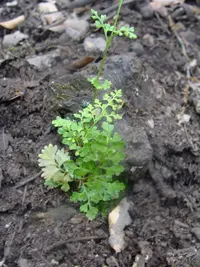
Propagation of Lepisorus microphyllus is typically done by careful division rather than spores for home growers.
Winter care depends on climate, as this fern prefers mild, frost-free or only lightly frosty conditions.

Plant Health Check
Not sure what's wrong with your plant? Check your plant's health inside the app.
This fern often grows as an epiphyte on tree trunks or as a lithophyte on mossy rocks in cool, moist forests, anchoring its short rhizomes into crevices rather than typical soil.
The species has very small, closely spaced leaf blades that can overlap to form a dense, scale-like mat, which helps retain moisture on exposed trunks and rocks.
It is naturally distributed through parts of East Asia and the Himalayas, where it occupies shaded, humid microhabitats in montane and submontane forests.
This fern is a slow to moderate grower. New fronds usually appear in flushes during the growing season, and a small division may take several years to form a dense clump under stable conditions.
Keep your plants happy and healthy with plant identification, disease detection, and easy care guidance.