Sterilize Growing Area
Disinfect all trays, tools, and work surfaces with 70% isopropyl alcohol or a dilute bleach solution before inoculation to reduce contamination from competing fungi and bacteria when growing Lepista panaeolus.

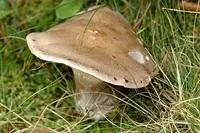
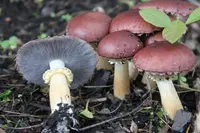
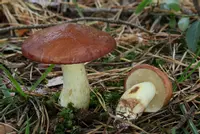
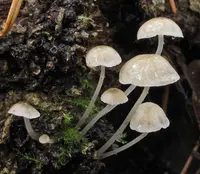
Lepista panaeolus is not a true plant but a small saprotrophic mushroom that breaks down leaf litter and organic debris in woodlands and grassland edges. It typically forms low clusters of smooth, pale to light brown caps with slender stems. In nature it is found in temperate regions, especially in mixed forests and along paths where soil stays evenly moist and rich in decaying material.
This species can be variable in color and size, which makes confident identification difficult for non-specialists. For those interested in how to care for Lepista panaeolus in cultivation, it generally prefers cool, humid conditions, indirect light, and a consistently moist but not waterlogged organic substrate.

Care Difficulty
Moderate Care

Light Preference
Partial Shade

Water Requirements
Keep Soil Moist

Temperature Preference
Cool Climate

Hardiness Zone
Unknown

Soil Texture
Loamy, Organic-rich

Soil pH
Acidic (5.5–6.5)

Soil Drainage
Moist but well-drained

Fertilization
Minimal (feed rarely)
Scan your plant to receive care tips personalized for your specific plant
Available on iOS and Android
This fungus prefers cool, gentle light rather than strong direct sun.
Moist, never soggy, conditions are essential for consistent fruiting.
Stable, cool to mild temperatures support reliable growth and fruiting.
This fungus fruiting best outdoors makes humidity a relevant factor mainly when attempting controlled cultivation.
For stable fruiting, prepare a loose, well-drained yet moisture-retentive substrate rather than dense garden soil.
This species can be grown in containers if the vessel supports a broad, shallow, evenly moist substrate surface.
This wild saprotrophic fungus usually grows well without added nutrients in the soil or substrate.
Pruning is not applicable, as Lepista panaeolus is a mushroom-forming fungus rather than a woody or leafy plant.
Transplanting focuses on moving or renewing the fungal substrate rather than handling roots like a typical plant.
Propagation of Lepista panaeolus relies on spores and mycelium rather than conventional plant methods.
This fungus is generally cold tolerant and often needs little targeted winter care in naturalized settings.

Plant Health Check
Not sure what's wrong with your plant? Check your plant's health inside the app.
This saprotrophic mushroom typically fruits in late autumn to early winter, often appearing after the first frosts when many other fungi have already disappeared.
It commonly grows in nutrient-rich, often ruderal habitats such as gardens, parks, compost-enriched soil, and grassy waste ground rather than in undisturbed forest.
Mature fruit bodies show a characteristic pale gray-brown to mouse-gray cap with crowded, pale grayish gills that can help distinguish it from similar field mushrooms and other Lepista species.
This mushroom is generally considered edible when correctly identified, but closely similar species can be harmful. Only forage with an expert, cook thoroughly, and never eat wild fungi if identification is uncertain or habitat is contaminated.
Keep your plants happy and healthy with plant identification, disease detection, and easy care guidance.