Onion Earthball Care (Scleroderma cepa)

Onion Earthball

About Onion Earthball

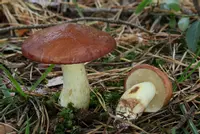
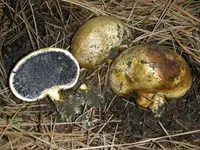
Onion earthball, Scleroderma cepa, is a small, underground, truffle-like fungus rather than a leafy houseplant. It forms round, onion-like fruiting bodies with a tough outer skin and dark spore mass inside. In nature it is found in woodland or scrub habitats, often in sandy or poor soils.

This species associates with tree roots and appears seasonally, so it is not a typical ornamental or edible species. Because it has a specialized life cycle and needs host trees, it is not an easy fungus to cultivate, and attempts to care for Onion Earthball at home are usually experimental.

Main Plant Requirements

Care Difficulty

Moderate Care

Light Preference

Partial Shade

Water Requirements

Moderate Water

Temperature Preference

Cool Climate

Hardiness Zone

Unknown

Soil Texture

Sandy, Loamy, Rocky

Soil pH

Slightly acidic (6.5–7.0)

Soil Drainage

Well-drained

Fertilization

Minimal (feed rarely)

Get Personalized Care Plan

Scan your plant to receive care tips personalized for your specific plant

Available on iOS and Android

How to Care for the Onion Earthball

This fungus prefers woodland-style light conditions with protection from intense sun.

  • Provide dappled or filtered light under shrubs or trees, with 2–4 hours of gentle morning sun and shade through the hottest midday hours.
  • On open sites, give partial shade using leaf litter, logs, or taller plants to shield Onion Earthball from strong, drying afternoon sun that can overheat the fruiting bodies.
  • In summer, increase shade if caps yellow, crack, or dry too quickly; in darker seasons, ensure at least light, open shade rather than deep, dense cover.

Watering for this mycorrhizal fungus focuses on keeping the surrounding soil evenly moist, not wet.

  • Aim for consistently slightly moist soil to 5–8 cm depth, letting the surface dry slightly between waterings rather than staying saturated.
  • Increase watering frequency only during prolonged dry periods, using deep, infrequent watering that soaks the root zone without leaving standing water.
  • Reduce supplemental water in cool or rainy seasons; signs of excess moisture include sour smell, slimy patches, or persistent puddling around Scleroderma cepa host roots.

This species handles a broad outdoor temperature range but fruits best in mild conditions.

  • Optimal fruiting usually occurs around 55–70°F (13–21°C) with cool nights, especially in late summer to autumn conditions.
  • It tolerates lows near 25–30°F (-4 to -1°C), but hard, prolonged freezes can damage shallow mycelium, so leaf litter or mulch adds protection.
  • Heat up to about 86°F (30°C) is tolerated if soil stays moist and shaded; extended hotter, dry periods can halt development or cause shriveling.

Humidity is not a critical factor for Scleroderma cepa, which thrives in typical outdoor air conditions.

This fungus prefers loose, well-aerated soil that drains freely yet holds moderate moisture.

  • Use sandy or sandy-loam soil with at least 40–60% mineral content to mimic its natural, open ground habitat.
  • Aim for slightly acidic to neutral pH around 5.5–7.0, avoiding strongly alkaline or highly amended ornamental beds.
  • Mix coarse sand or fine grit through the top 10–15 cm to boost drainage and prevent prolonged surface wetness.
  • Avoid compacted clay, waterlogged low spots, or heavy organic mulches that keep the surface constantly damp.

This species is generally unsuitable for container growing, as it depends on complex soil and root-zone interactions in the ground.

This fungus associates with trees and usually needs little to no supplemental feeding in the landscape.

Scleroderma cepa does not require active pruning, as it is a mycorrhizal fungus forming underground structures rather than leafy stems.

Transplanting focuses on moving colonized soil or host seedlings rather than handling the fungus directly.

  • Shift only when the host tree seedling shows good root development and growth has slowed in the current container.
  • Plan moves in early spring or early fall, when temperatures are mild and moisture is reliable.
  • Use a similar, well-drained mineral soil and keep as much original root-zone soil intact as possible.
  • Water gently after planting and maintain even moisture to reduce root stress and help the underground fungal network re-establish.

Propagation of this species is specialized and not typically attempted by home growers.

This species is generally cold hardy in-ground and needs no specific winter care beyond normal site selection.

Care Tips

Substrate containment

Grow this fungus in a shallow tray or pot lined with a fine mesh or breathable fabric so the sandy, gritty substrate stays in place while still allowing good drainage and air exchange around the developing earthballs.

Glove and tool hygiene

Always handle the fruiting bodies and substrate with gloves and use dedicated tools, then clean them afterward, to reduce skin exposure and avoid spreading spores unintentionally around the garden or indoor space.

Controlled spore exposure

If observing mature specimens, place the container inside a larger clear box or tent before handling so any released spores are contained and easy to clean up afterward.

Label and isolate

Clearly label the container and keep it slightly separated from edible mushrooms or food-growing areas, since this species is not edible and should not be confused with culinary fungi.

Monitor for decay

Check the earthballs regularly and remove any that become soft, leak, or smell strongly, disposing of them in sealed bags to limit mold growth and maintain a cleaner environment when caring for Onion Earthball.

Common Pests and Diseases

Fungal mycelial contamination

This disease appears when fast-growing competitor fungi overtake the substrate or surrounding soil, forming dense white, gray, or colored mycelial mats around or instead of the onion-like fruiting body. Symptoms include distorted or aborted bulbs and off-odors from the growth medium.

Solution

Remove and discard any heavily overgrown or foul-smelling substrate and affected fruiting bodies, then restart with a clean, well-drained mineral or sandy mix and sterilized tools. Reduce excess organic matter, avoid overwatering, and keep good air exchange around the container or bed to limit competitor fungi and support stable Scleroderma cepa care.

Bacterial soft rot

This disease causes the outer layers of the underground bulb-like structure to become water-soaked, soft, and foul-smelling, often following physical damage or prolonged saturation. Symptoms include collapse of the fruiting structure and rapid decay in overly wet or poorly drained conditions.

Solution

Discard any soft, foul-smelling bulbs and the surrounding substrate, then improve drainage using a gritty, low-organic mix and containers with ample drainage holes. Avoid overwatering, keep irrigation light and infrequent, and handle the developing structures gently to reduce wounds where bacteria can enter.

Nematode damage

These microscopic roundworms feed on fine roots and nearby tissue, causing poor establishment, reduced vigor, and irregular, stunted development of the underground structures. Symptoms include patchy growth, weak fruiting, and sometimes slight swelling or lesions on fine roots.

Solution

Remove and discard seriously affected plants and the surrounding soil, then replant into fresh, clean, preferably soilless or heat-treated substrate. Use new or disinfected containers, avoid reusing infested garden soil, and maintain good drainage and moderate moisture to discourage high nematode populations.

Collembola (springtails)

These insects thrive in very moist media and can graze on delicate mycelium and young tissue, sometimes leading to poor establishment or deformation of small developing bulbs. Symptoms include tiny jumping insects visible in the substrate and reduced or patchy mycelial growth in consistently wet conditions.

Solution

Allow the top layer of the substrate to dry slightly between waterings and improve drainage to reduce excessively wet conditions that favor springtails. If populations remain high, gently flush the container with water to dislodge insects, then adjust watering frequency and organic content downward to keep numbers low.

Interesting Facts

Puffball look‑alike

This species produces round to slightly flattened, onion-like fruiting bodies that resemble small puffballs but never form a stemmed cap, which helps distinguish it from true gilled mushrooms.

Poisonous flesh

The thick, whitish to yellowish inner tissue turns dark and powdery with age and is considered poisonous; it must never be eaten despite its superficial similarity to edible puffballs.

Soil and root associate

It often grows partially buried in sandy or disturbed soils, commonly near trees, and is thought to interact with roots and soil microbes, contributing to nutrient cycling as its fruiting bodies decay.

FAQs about Onion Earthball

This fungus is considered poisonous and should never be eaten. Ingestion may cause gastrointestinal upset such as nausea, vomiting, or diarrhea in humans and pets. Keep children and animals from handling or chewing the fruiting bodies.

Grow Healthy Plants with Botan Care

Keep your plants happy and healthy with plant identification, disease detection, and easy care guidance.

Botan plant care app — identify plants on mobile

Explore More Plants