Pink Sherbet Polypore Care (Leptoporus mollis)

Pink Sherbet Polypore

About Pink Sherbet Polypore

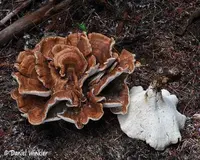
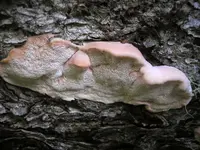
Pink sherbet polypore, Leptoporus mollis, is a wood-decay fungus, not a leafy houseplant. It forms soft, cushion-like brackets with pale pink to salmon colors on dead or dying conifer wood. The surface often looks waxy or slightly velvety, and the fruiting bodies may appear in loose tiers along fallen logs or stumps. This species occurs mainly in cool and boreal forests across the Northern Hemisphere, especially in spruce and fir stands. Because it depends on specific host trees and decaying wood conditions, it is not easy to cultivate indoors or in typical garden settings. Those who want to care for Pink Sherbet Polypore usually focus on maintaining suitable woodland habitat rather than growing it as a conventional ornamental.

Main Plant Requirements

Care Difficulty

Hard Care

Light Preference

Shade

Water Requirements

Keep Soil Moist

Temperature Preference

Cool Climate

Hardiness Zone

Unknown

Soil Texture

Organic-rich, Peaty

Soil pH

Acidic (5.5–6.5)

Soil Drainage

Moist but well-drained

Fertilization

Minimal (feed rarely)

Get Personalized Care Plan

Scan your plant to receive care tips personalized for your specific plant

Available on iOS and Android

How to Care for the Pink Sherbet Polypore

This wood-decay fungus prefers shaded forest conditions with cool, stable light levels.

  • Provide dappled or filtered light similar to a north-facing woodland edge, avoiding direct sun for more than 1–2 hours per day.
  • Tolerates deep shade under tree canopies, but fruiting bodies of Pink Sherbet Polypore develop best where there is soft, indirect light during morning or late afternoon.
  • Protect colonized logs from strong midday sun, which can dry tissues and substrate, especially in late spring and summer.

This species thrives on consistently moist, but not waterlogged, wood.

  • Use well-drained yet moisture-retentive wood; avoid standing water around logs to limit anaerobic conditions and rot unrelated to fungal growth.
  • Allow the outer 2–5 cm of the log surface to begin feeling dry before rehydrating with a thorough but gentle soak or spray.
  • Reduce supplemental watering in cool, wet seasons and increase it during hot, dry spells; pale, shrunken fruiting bodies suggest drying, while slimy, collapsing tissue indicates excess moisture.

This fungus favors cool to mild temperatures typical of temperate forests.

  • Support active growth at roughly 50–70°F (10–21°C), which encourages stable colonization of host wood.
  • Tissues usually tolerate down to about 23–25°F (-5 to -4°C) for short periods, but repeated hard frosts can damage exposed fruiting bodies.
  • Prolonged heat above 77–82°F (25–28°C) with low humidity stresses the mycelium, so provide shade and moisture buffering during hot summers.

This wood-decay fungus is not humidity-sensitive under typical outdoor conditions and does not require special humidity management for cultivation on logs or stumps.

Leptoporus mollis grows naturally on dead conifer wood rather than in soil, so the growing substrate should imitate decaying, well-aerated timber.

  • Use sound but aging conifer logs or thick branches with intact bark, avoiding compacted garden soil or dense potting mixes.
  • Maintain a coarse, fibrous structure; drill shallow holes or cuts to increase surface area and aeration within the wood.
  • Keep the substrate draining freely so excess water can run off, preventing prolonged saturation that leads to anaerobic, low-oxygen conditions.
  • Avoid highly alkaline additives; if supplementing, use a thin layer of shredded bark or wood chips instead of compost-rich or manure-based materials.

This species is not suitable for conventional container growing and is best established directly on logs, stumps, or mounted wood outdoors.

Leptoporus mollis, often called Pink Sherbet Polypore, usually grows on decaying wood and needs little to no fertilization in cultivation.

Pruning Leptoporus mollis is generally unnecessary and mainly done for hygiene or display.

  • Remove only dead, decayed, or insect-damaged brackets using clean, sharp scissors or a knife.
  • Trim away overcrowded or misshapen fruiting bodies if they interfere with airflow or observation.
  • Avoid cutting into the living substrate; focus on spent or crumbling tissue only.
  • Disinfect tools before and after use to limit spread of fungi, bacteria, or pests.

Transplanting Leptoporus mollis focuses on moving its colonized wood rather than handling roots like a typical potted plant.

  • Shift to a new location when the original log is heavily decayed, crumbling, or drying out.
  • Carry out transplanting in cool, moist weather (spring or fall) to limit desiccation stress.
  • Move the entire colonized wood piece gently, avoiding impact that can break fungal tissue.
  • Place the log on fresh, shaded, humid ground or in a ventilated container, then keep evenly moist without waterlogging.

Propagation of Leptoporus mollis is specialist work and not commonly attempted by home growers.

Leptoporus mollis is a cold-hardy wood-decay fungus that usually needs no special winter care outdoors.

  • Allow natural freezing and thawing; the mycelium in wood typically tolerates typical temperate winters.
  • For container displays, keep the colonized wood in a shaded, unheated but sheltered spot to reduce drying winds.
  • Avoid bringing pieces into very warm, dry indoor air for long periods, which can desiccate the substrate.

Care Tips

Inoculate Fresh Logs

Use a sharp, sterile tool to insert spawn or colonized dowels into freshly cut, non-decayed conifer logs within 2–4 weeks of felling, then seal holes with food-grade wax to protect the Leptoporus mollis mycelium from contamination and drying.

Control Log Moisture

Keep inoculated logs off bare soil on bricks or pallets and soak them in clean water for 12–24 hours if the wood feels light and dry, then allow excess water to drain to maintain stable internal moisture without waterlogging.

Optimize Air Exchange

Place colonizing logs in a sheltered, shaded outdoor spot with consistent air movement, avoiding tight plastic wraps or sealed containers so carbon dioxide can dissipate and the fungus can form normal fruiting bodies.

Rotate Fruiting Surfaces

Every few weeks, gently roll or reposition logs so different faces are slightly exposed, which can encourage more even fruiting and make monitoring for pests or competing fungi easier when caring for Pink Sherbet Polypore.

Monitor Competing Fungi

Inspect logs monthly and promptly cut away small patches of unwanted mushrooms or heavy mold growth with a clean knife, flaming or alcohol-wiping the blade between cuts to reduce spread and give L. mollis a competitive advantage.

Common Pests and Diseases

Competing wood-decay fungi

This disease issue occurs when other bracket fungi or molds colonize the same log, reducing fruiting body size and vigor. Symptoms include distorted or discolored brackets, patchy growth, and fast breakdown of the host wood around the fruiting area.

Solution

Remove and discard heavily overgrown or moldy fruiting bodies and, if possible, cut away the most heavily colonized wood. Provide fresh, clean hardwood with intact bark for growing Pink Sherbet Polypore and keep it in a shaded, well-ventilated area to reduce competition and surface mold development.

Insect larvae tunneling

This pest problem is caused by beetle or fly larvae boring into the soft fruiting bodies and feeding inside the tissue. Symptoms include small entry holes, crumbly interior flesh, frass-like dust, and premature collapse of the brackets.

Solution

Cut away and discard infested fruiting bodies and any wood section visibly riddled with tunnels. To reduce new infestations, keep fruiting blocks in a cooler, shaded, well-ventilated location and cover with fine mesh or netting that still allows airflow but blocks adult insects from reaching developing brackets.

Slugs and snails

These pests feed on the soft, moist surface of the brackets, leaving irregular holes, shredded margins, and slime trails. Damage is usually most visible on lower or ground-level fruiting bodies and during humid, mild weather.

Solution

Manually remove slugs and snails from the fruiting area and use physical barriers such as copper tape, coarse grit, or raised supports to keep them off the wood. Limit standing moisture around the cultivation site and avoid dense groundcover that gives them shelter close to the fungus.

Surface mold overgrowth

This disease appears as white, gray, or green fuzzy growth covering the bracket surface, especially under stagnant, humid conditions. Symptoms include dulled color, slowed expansion of the fungus, and eventual softening or collapse of affected areas.

Solution

Increase airflow around the substrate by spacing logs or blocks apart and positioning them where natural ventilation is stronger but direct sun is limited. Remove heavily mold-covered tissue, reduce overhead watering or misting directly onto the brackets, and if possible keep humidity moderate rather than constantly saturated to favor Leptoporus mollis over opportunistic molds.

Interesting Facts

Soft yet persistent brackets

This species forms unusually soft, fleshy bracket fruiting bodies compared with many other polypores, yet individual brackets can persist for months on conifer logs and stumps before decaying.

Specialist conifer decomposer

It is strongly associated with dead conifer wood, especially spruce and pine, where it causes brown rot by selectively breaking down cellulose and hemicellulose while leaving modified lignin behind.

Distinctive color change

Fresh fruiting bodies often show pale pink to salmon tones on the pore surface and cap, but these colors typically fade to duller buff or cream as the brackets age and dry.

Botan icon

Did you know?

Molecular studies have shown that this species, once placed in other genera such as Polyporus and Tyromyces, is distinct enough in its DNA and microscopic features to warrant separation into its own genus, Leptoporus, making it one of the few polypore species that currently defines an entire genus by itself.

FAQs about Pink Sherbet Polypore

This bracket fungus is not a traditional houseplant and performs best outdoors on dead or decaying conifer wood. Indoors, it is difficult to maintain stable moisture, airflow, and suitable substrate, so long-term culture is unreliable.

Grow Healthy Plants with Botan Care

Keep your plants happy and healthy with plant identification, disease detection, and easy care guidance.

Botan plant care app — identify plants on mobile

Explore More Plants