leskea moss Care (Leskea polycarpa)

Also known as: Many-fruited Leskea
leskea moss

About leskea moss

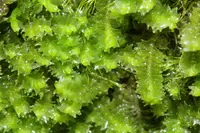
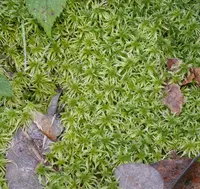
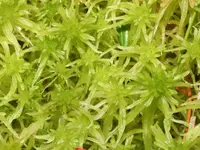
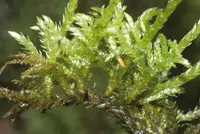
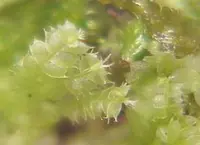
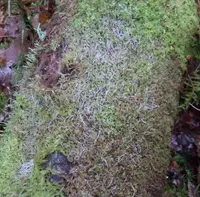
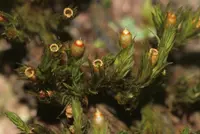
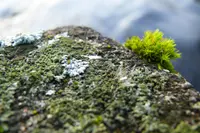
Leskea moss (Leskea polycarpa) is a small, creeping bryophyte that forms thin green mats on tree bark, rocks, and damp wood. It stays low and finely textured, creating a soft, mossy cover rather than upright tufts. In nature, it occurs across temperate regions, especially along rivers and in moist woodlands with steady humidity. This species adapts fairly well when its basic needs are met, which makes it moderately easy to grow under controlled indoor or terrarium conditions. Consistent moisture, gentle airflow, and low to medium light are the main factors to watch when learning how to care for leskea moss.

Main Plant Requirements

Care Difficulty

Moderate Care

Light Preference

Partial Shade

Water Requirements

Keep Soil Moist

Temperature Preference

Cool Climate

Hardiness Zone

3–8

Soil Texture

Loamy, Silty, Organic-rich

Soil pH

Acidic (5.5–6.5)

Soil Drainage

Waterlogged tolerant

Fertilization

Minimal (feed rarely)

Get Personalized Care Plan

Scan your plant to receive care tips personalized for your specific plant

Available on iOS and Android

How to Care for the leskea moss

This moss prefers soft, indirect light that mimics a shaded woodland or streambank.

  • Provide bright shade or dappled light for 2–4 hours per day, such as morning sun filtered through trees or shrubs.
  • Allow only brief early-morning direct sun; avoid harsh midday or afternoon sun, which can dry and bleach leskea moss.
  • In summer, shift or shield sites receiving stronger sun; in winter, slightly more open light is acceptable if humidity remains high.

Moist, never fully dry conditions are essential for healthy Leskea polycarpa growth.

  • Aim for consistently damp substrate; re-wet when the surface feels just slightly less moist, before it becomes crisp or pale.
  • Use soft, low-mineral water when possible and allow excess to drain away so the base is moist but not submerged for long periods.
  • Watch for dull, shriveling shoots as a sign of dryness and for limp, decaying patches or sour odor as signs of overwatering.

Cool to mild temperatures suit this moss, which prefers stable, non-extreme conditions.

  • Target 50–70°F (10–21°C) for best growth, similar to shaded streambanks or forest edges.
  • It tolerates down to about 25–30°F (-4 to -1°C) once established, but repeated hard freezes or exposed frost can damage fresh green tips.
  • Short heat spells up to 80–85°F (27–29°C) are manageable if shade and moisture are high; above this, cool the site and prevent drying winds.

This moss prefers consistently moist air but tolerates a moderate indoor range if kept hydrated at the substrate level.

  • Aim for 50–80% humidity, using a hygrometer to confirm conditions near the growing surface.
  • Crisping, pale tips, and slowed growth indicate humidity stress or prolonged drying of the mat.
  • Increase humidity with frequent fine misting, moisture-retentive substrates, or a shallow open tray of water nearby.

Leskea polycarpa thrives on moist, fine-textured, organic surfaces rather than conventional potting soil.

  • Use a base of finely milled sphagnum, leaf litter, or well-rotted wood fibers that hold moisture yet stay airy.
  • Maintain constant light moisture with no standing water; the substrate should feel damp but never waterlogged.
  • A slightly acidic reaction around pH 5.0–6.5 supports healthy growth and limits competing algae.
  • Improve aeration by mixing in fine orchid bark or coarse sand, and avoid dense, clay-heavy, or peat-only substrates.

This species can adapt to shallow container culture when moisture and stability are carefully managed.

  • Choose a wide, shallow tray that allows the moss to spread horizontally while keeping the entire surface evenly moist.
  • Use a rigid, non-porous container (plastic or glazed ceramic) to reduce edge drying and maintain stable moisture levels.
  • Raise the tray slightly so drainage holes are clear, letting excess water escape quickly while the surface layer remains damp.

This moss generally grows well without fertilizer, especially on nutrient-poor substrates.

Leskea polycarpa needs almost no true pruning, only light grooming to maintain a clean, even mat.

  • Trim away dead, brown, or decaying patches at any time using fine scissors or tweezers.
  • Lift and remove loose debris, algae, or competing mosses that shade or smother healthy shoots.
  • Use gentle pinching or very shallow trimming to level uneven tufts without cutting deeply into the cushion.

This species is usually managed by transplanting small mats rather than by classic pot repotting.

  • Transplant when growth is active and temperatures are mild, typically in spring or early fall.
  • Move patches only when they lose vigor, substrate erodes, or coverage needs expansion, not on a set schedule.
  • Gently lift thin mats with a spatula, keeping rhizoids and attached substrate intact to reduce stress.
  • Set patches onto fresh, stable, moist surfaces, press lightly for good contact, then keep evenly damp.

Leskea polycarpa is most often propagated by division of existing mats rather than by spores in home settings.

  • Carry out division in spring or early fall when moisture is reliable and temperatures are moderate.
  • Peel or cut the moss carpet into small sections, each with healthy green shoots and attached substrate.
  • Lay divisions on clean, rough, consistently moist surfaces such as bark, stone, or compact soil.
  • Mist gently, maintain high humidity, and avoid disturbance until new anchoring rhizoids form.

This moss is cold hardy and usually needs no special winter care in temperate climates.

  • Outdoor colonies tolerate freezing and snow once established, provided the substrate drains well.
  • In exposed containers, keep the substrate just moist and shield from harsh drying winds.
  • Indoor patches for leskea moss indoor care benefit from slightly cooler winter temperatures and good airflow.

Care Tips

Substrate anchoring

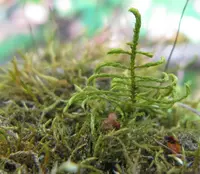
Press small pieces of the moss gently but firmly onto rough, stable surfaces like bark, stone, or unglazed ceramic so rhizoids can attach, then mist lightly to keep the contact zone evenly moist without washing fragments away.

Flow and splash control

If grown near moving water, place it where flow is slow and splashing is gentle to prevent desiccation or physical damage, using stones or driftwood as baffles to diffuse direct currents.

Regular debris removal

Every few weeks, rinse or mist the colony more heavily to flush out dust, algae film, and fallen litter, using a soft artist’s brush or tweezers to remove trapped debris without tearing the cushions.

Shading in bright sites

In brighter positions, add a thin mesh, shade cloth, or an overhanging branch to reduce direct light and surface heating, which helps cushions stay dense instead of becoming sparse and yellowed.

Fragment-based propagation

To expand a healthy patch when growing leskea moss, gently tear off small tufts and press them onto new moist surfaces a few centimeters apart, creating multiple contact points that will merge into a continuous mat over time.

Common Pests and Diseases

slime molds

This disease appears as slimy or crusty patches on the moss surface, often gray, white, or yellow, especially in very damp, stagnant conditions. Symptoms include local dieback of patches where the organism smothers and shades the moss.

Solution

Reduce standing water and improve air movement around the colony by thinning overhanging vegetation or adjusting water flow. Gently scrape or rinse off visible slime mold masses with clean water and allow the substrate to drain more freely to prevent recurrence.

algal overgrowth

This disease presents as smooth, often bright green, slick layers that cover and outcompete the moss, especially on constantly wet, nutrient-enriched surfaces like concrete or nutrient-rich bark. Symptoms include dull, thinned moss cushions and slippery surfaces.

Solution

Lower nutrient input by avoiding runoff from fertilized areas and reduce constant water films by adjusting irrigation or water splash. Lightly brush or rinse away algal films and encourage moderate, not continuous, moisture to favor moss regrowth and growing leskea moss in a more stable way.

moss mites

These insects are tiny arachnids that graze on moss tissues and microorganisms, leading to patchy thinning and uneven cushions. Symptoms include a dusty appearance and fine debris in affected areas, sometimes with small moving specks visible under close inspection.

Solution

Rinse affected patches with a firm but gentle stream of clean water to dislodge mites and debris, and avoid heavy organic buildup that favors their population. In severe, persistent cases, physically remove the most damaged mats and encourage new growth in cleaner, slightly better-ventilated conditions.

slugs and snails

These pests feed on tender moss cushions in very humid, shaded sites, creating ragged bare spots and irregular grazing patterns. Symptoms include slimy trails on and around the moss and sudden overnight loss of dense patches.

Solution

Hand-pick slugs and snails during damp evenings, and use physical barriers such as copper tape or rough mineral mulches at the edges of valued colonies. Reduce dense ground litter and hiding spots nearby to lower their numbers while maintaining enough moisture for the moss.

sooty mold fungi

This disease appears as dark gray to black, soot-like coatings that develop on moss where insect honeydew or organic films accumulate. Symptoms include reduced photosynthesis, dull color, and a dirty surface texture rather than a clean, velvety look.

Solution

Gently rinse or mist the moss with clean water to wash off the fungal coating, repeating as needed without eroding the substrate. Reduce excess organic films by limiting nearby honeydew-producing insects and improving light and air movement so surfaces dry slightly between wet periods.

Interesting Facts

Flood-tolerant stream epiphyte

This moss often grows as an epiphyte on tree roots and trunks along rivers and streams, tolerating periodic flooding and strong water flow that would dislodge many other moss species.

Preference for nutrient-rich bark

It shows a marked preference for nutrient-enriched bark and wood, such as riparian trees exposed to dust, runoff, or bird droppings, which supply the extra minerals it needs.

Indicator of stable riverbanks

Populations are most common on long-lived, mature riverside trees and rocks, so its presence can indicate relatively stable, undisturbed riverbank conditions over many years.

FAQs about leskea moss

Growth is slow to moderate. Thin mats can form within 1–2 years if moisture is steady and surfaces stay shaded. It spreads mainly by fragments. Compact patches expand a few millimeters to a couple of centimeters per year.

Grow Healthy Plants with Botan Care

Keep your plants happy and healthy with plant identification, disease detection, and easy care guidance.

Botan plant care app — identify plants on mobile

Explore More Plants