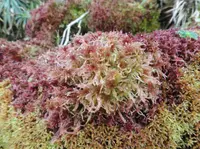
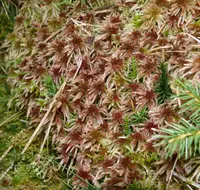
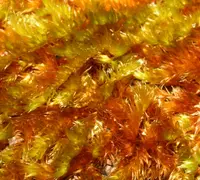
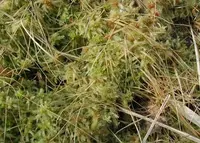
orthotrichum moss Care (Lewinskya striata)

Also known as: Smooth Bristle-moss
orthotrichum moss

About orthotrichum moss

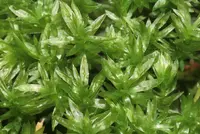
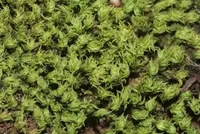
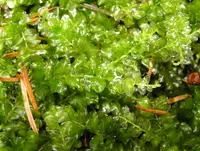
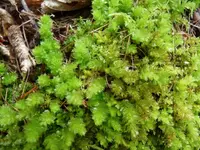
Orthotrichum moss, scientifically known as Lewinskya striata, is a small cushion-forming moss often found on tree bark, rocks, and old walls. It forms dense, soft tufts with tiny, upright leaves that give surfaces a green, velvety look.

This species is widespread in temperate regions, especially in moist, cool climates where air is relatively clean. Its ability to cling to vertical surfaces and tolerate brief drying makes it quite adaptable in suitable environments.

For those who want to care for orthotrichum moss, it helps to know that it prefers gentle light, steady moisture, and a stable, undisturbed substrate rather than frequent handling.

Main Plant Requirements

Care Difficulty

Moderate Care

Light Preference

Partial Shade

Water Requirements

Keep Soil Moist

Temperature Preference

Cool Climate

Hardiness Zone

5–9

Soil Texture

Loamy, Rocky, Organic-rich

Soil pH

Acidic (5.5–6.5)

Soil Drainage

Moist but well-drained

Fertilization

Minimal (feed rarely)

Get Personalized Care Plan

Scan your plant to receive care tips personalized for your specific plant

Available on iOS and Android

How to Care for the orthotrichum moss

Lewinskya striata thrives in bright, gentle light that mimics open, lightly shaded rock or bark surfaces.

  • Provide dappled or filtered light with 2–4 hours of soft morning sun; avoid intense midday sun that can desiccate the moss cushions.
  • Plant in spots with partial shade, such as the north or east side of rocks, logs, or tree trunks; orthotrichum moss naturally occupies these sheltered niches.
  • In summer, protect from hot, reflective surfaces; in winter, ensure some indirect light reaches the colony to maintain slow but steady photosynthesis.

Lewinskya striata prefers consistently moist conditions but tolerates short dry spells if rehydrated gradually.

  • Aim for a substrate that feels damp to the touch but not spongy; surfaces should never stay waterlogged for more than 24 hours.
  • Increase misting or gentle watering when the moss feels dry and looks slightly dull or curled; reduce input if patches turn mushy or smell sour, a sign of rot.
  • During cooler months, let the surface dry slightly between waterings as growth slows, while in warm, windy weather check moisture at least every 1–2 days.

This moss is adapted to cool to mild climates and handles moderate temperature swings well.

  • Optimal growth occurs around 50–70°F (10–21°C), especially in consistently moist, shaded microhabitats.
  • Lewinskya striata tolerates brief dips near 20°F (-6°C) on protected surfaces, but repeated hard freezes with drying winds can cause tissue damage.
  • In hot periods above 80°F (27°C), provide extra shade and moisture, as combined heat and dryness increase stress and slow recovery.

This moss prefers consistently moist air and dries out quickly indoors.

  • Aim for 60–80% humidity; below 40% causes rapid desiccation and browning tips.
  • In very dry rooms, place the container on a pebble tray with water, keeping the moss above the waterline.
  • Curling, crisping shoots signal low humidity; mist lightly in the morning, especially when caring for orthotrichum moss.

This species anchors on rough bark or stone and does not require conventional potting soil.

  • Use a very thin layer of fine, inert substrate such as crushed lava, pumice, or granite grit over a stable base.
  • Keep the surface slightly rough and open so water drains quickly and air reaches the rhizoids, which are the anchoring filaments.
  • Maintain a mildly acidic to neutral reaction around pH 5.5–7 using rainwater or dechlorinated tap water when possible.
  • Avoid dense organic mixes, peat-heavy potting composts, and any soil that stays wet for more than a few hours after watering.

Lewinskya striata can be grown in shallow containers that mimic bark or rock surfaces.

  • Choose wide, shallow trays or dishes so the moss can spread as a thin mat without deep, wet pockets forming.
  • Use heavy ceramic or stone containers to keep lightweight substrates stable and prevent shifting during watering.
  • Create a slight tilt in the container surface so excess water runs off and only a thin film remains around the moss.

Lewinskya striata, a small moss, needs very little supplemental nutrition in most situations.

  • Skip fertilization when it grows on natural substrates outdoors, as added nutrients can encourage algae and competing plants.
  • For container or terrarium culture, use a very dilute balanced NPK liquid fertilizer at 1⁄8–1⁄4 strength.
  • Apply only during active growth in spring–summer, every 6–8 weeks if color and growth appear weak.
  • Avoid feeding in winter or dormancy periods, and always rinse lightly with water afterward to prevent salt buildup when caring for orthotrichum moss.

Lewinskya striata needs only light grooming to stay healthy and attractive.

  • Best time is during active growth in spring or early summer, when recovery is fastest.
  • Gently remove dead, browned, or decaying patches by hand or with fine tweezers.
  • Thin crowded clumps slightly to improve airflow and reduce mold in very humid setups.
  • Avoid cutting deeply into healthy cushions; light surface trimming helps maintain an even, low profile.

Lewinskya striata is usually grown on bark, rock, or outdoor surfaces, so care focuses on gentle transplanting rather than frequent repotting.

  • Transplant when patches detach, decline, or when the substrate degrades or becomes unstable.
  • Best timing is in cool, moist weather in spring or early autumn to reduce moisture stress.
  • Lift the moss with its substrate if possible, then press it gently onto the new surface with firm contact.
  • Mist lightly and keep evenly moist for several weeks so rhizoids can reattach and the colony can reestablish.

Lewinskya striata is commonly propagated by division of existing cushions rather than from spores by home growers.

  • Divide healthy, moist clumps in spring or early autumn when temperatures are mild.
  • Tear or cut cushions into small sections, each with green shoots and some older base tissue.
  • Press sections onto a rough, stable surface such as bark, rock, or a low-nutrient substrate.
  • Maintain high humidity and consistent, gentle moisture until the moss knits together and resumes visible growth.

Lewinskya striata is generally cold hardy and often survives freezing conditions with minimal intervention.

  • Outdoor colonies in the ground or on trees typically need no special winter care in temperate climates.
  • Container-grown patches benefit from shelter from drying winter winds and strong freeze–thaw cycles.
  • Move delicate displays, such as small trays or terrariums, indoors to a cool, bright, frost-free location.

Care Tips

Substrate anchoring

Press the moss firmly onto slightly rough, stable substrates such as lava rock, old bark, or unglazed clay so the rhizoids can grip securely and resist dislodging by rain or misting.

Controlled drying cycles

Allow regular short dry periods between thorough rewetting, which encourages tighter, more compact cushions and reduces the risk of algae growth on the colony surface.

Gentle cleaning routine

Every few weeks, rinse the moss gently with soft or rainwater to remove dust and fine debris, which improves light penetration into the cushions and keeps growth active.

Shading in heatwaves

During sudden hot, bright spells, add temporary shade cloth or position a perforated screen above outdoor colonies to prevent bleaching and excessive stress while still allowing good airflow.

Fragment propagation

To expand a colony, carefully crumble small, healthy tufts and press the fragments onto new damp surfaces, a practical method often used when caring for orthotrichum moss in controlled collections.

Common Pests and Diseases

Tardigrade grazing

This pest feeds on moss leaf cells and can thin cushions, causing a dull, roughened appearance on the shoots. Symptoms include uneven, patchy growth and a worn, abraded look under close inspection or magnification.

Solution

Maintain stable, cool, moist conditions and avoid rapid drying, which can concentrate grazing on stressed patches. In small indoor or terrarium cultures, physically remove heavily damaged tufts and re-establish from healthy, dense cushions, and limit cross-contamination by tools or shared water between containers when caring for orthotrichum moss.

Mite damage

These insects are actually tiny arachnids that can pierce moss leaves and suck out cell contents, leading to bronzing, speckling, and a dusty or webbed appearance in severe cases. Symptoms include slowed regrowth after misting and uneven, stunted cushions.

Solution

Increase humidity and gentle air movement, then rinse affected patches under a soft stream of water to dislodge mites. Remove and discard badly affected clumps, clean containers and hard surfaces, and, in enclosed displays, repeat rinsing over several days while avoiding chemical sprays that can desiccate the moss.

Algal overgrowth

This disease-like condition occurs when green algae colonize the moss surface, forming slimy, bright-green films that smother the leaves. Symptoms include a slick sheen, reduced texture, and slow or stopped new shoot formation.

Solution

Reduce standing water, shorten misting duration, and increase indirect light and air movement to keep the surface moist but not waterlogged. Gently rub or rinse off algal films from hard surfaces and remove heavily coated moss patches, then replant with small pieces of clean, healthy cushions under slightly drier management.

Fungal blight

This disease develops in persistently saturated, stagnant conditions, causing dark, water-soaked patches that turn brown or black and collapse. Symptoms include a musty smell, rapid patch death, and visible mold threads on dead tissue in closed containers.

Solution

Open lids or covers to improve airflow, reduce watering frequency, and avoid deep or continuous water layers around the moss. Carefully remove all softened, darkened tufts, disinfect hardscape surfaces with a dilute alcohol or hydrogen peroxide wipe, and restart from small, firm, green fragments kept in only lightly moist conditions.

Interesting Facts

Urban bark specialist

This moss primarily colonizes tree bark in towns and cities, often favoring nutrient-enriched trunks along streets and in parks where air quality is moderately impacted.

Capsules with distinctive grooves

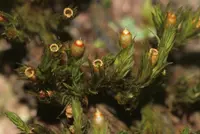
Its mature spore capsules show clear longitudinal striations (grooves) on the outer wall, a key feature used by bryologists to separate it from closely related Lewinskya and Orthotrichum species.

Tolerant of dry spells

The shoots can tolerate periods of drying by entering a dormant state and then quickly reactivating photosynthesis when moisture returns, which supports growing Lewinskya striata in exposed, periodically dry microhabitats.

FAQs about orthotrichum moss

Growth is slow and compact. Under good moisture and clean air, new cushions typically expand only a few millimeters per year. It often takes several years to form noticeable tufts on bark, rocks, or wood.

Grow Healthy Plants with Botan Care

Keep your plants happy and healthy with plant identification, disease detection, and easy care guidance.

Botan plant care app — identify plants on mobile

Explore More Plants