sphagnum Care (Sphagnum quinquefarium)

Also known as: Five-ranked Bogmoss
sphagnum

About sphagnum

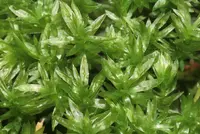
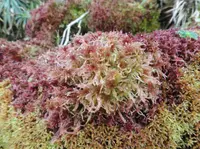
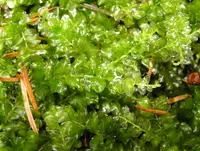
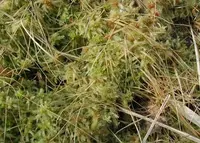
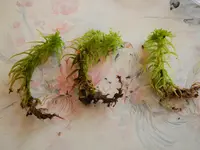
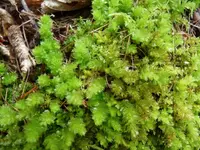
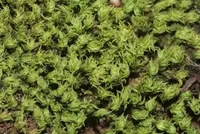
Sphagnum quinquefarium is a moss species that forms dense, cushion-like carpets rather than true stems and leaves like typical houseplants. It has fine, soft, water-holding branches that create a spongy texture.

This moss naturally grows in cool, wet habitats such as bogs and moist forest floors, especially in nutrient-poor, acidic conditions. Its strong ability to store water and tolerate low nutrients can make it forgiving, but it dislikes drying out and prolonged heat.

For those who want to care for sphagnum, it is important to understand that it prefers consistent moisture, gentle light, and an airy, acidic substrate rather than regular potting soil.

Main Plant Requirements

Care Difficulty

Moderate Care

Light Preference

Partial Shade

Water Requirements

Aquatic

Temperature Preference

Cool Climate

Hardiness Zone

3–7

Soil Texture

Peaty, Organic-rich, Silty

Soil pH

Strongly acidic (4.5–5.5)

Soil Drainage

Waterlogged tolerant

Fertilization

Minimal (feed rarely)

Get Personalized Care Plan

Scan your plant to receive care tips personalized for your specific plant

Available on iOS and Android

How to Care for the sphagnum

This moss prefers cool, consistently moist sites with soft, filtered light rather than direct sun.

  • Provide bright shade or dappled forest light, with 1–3 hours of gentle morning sun and no harsh midday or afternoon sun to prevent bleaching and drying.
  • Allow overhead tree cover, shade cloth, or other plants to filter light; sphagnum declines in exposed open sun and can brown at the tips.
  • In summer, increase shading as sun intensity rises; in winter, allow slightly more light if temperatures stay cool and moisture remains high.

This species thrives in saturated, acidic substrates and declines quickly if allowed to dry out.

  • Keep the substrate constantly wet, not just damp; standing water 1–5 cm deep around Sphagnum quinquefarium is usually tolerated if water is low in minerals.
  • Use rainwater, distilled, or soft water where possible; hard, chalky water can cause salt buildup, pale growth, and reduced vigor over time.
  • In hot or windy weather, check moisture daily; crisp, pale, or shrinking tips indicate drying, while foul odor or slimy sections suggest stagnant, oxygen-poor conditions.

This moss is adapted to cool, moist climates and is sensitive to both heat and hard frost when exposed.

  • Aim for 50–70°F (10–21°C) for steady growth; brief dips to 32°F (0°C) are tolerated if the substrate stays wet and plants are not exposed to drying winds.
  • Avoid prolonged freezing below 25°F (−4°C), which can damage surface shoots, especially in exposed, wind-prone sites without insulating snow or mulch.
  • Protect from heat above 80°F (27°C) by increasing shade and humidity; at 85–90°F (29–32°C) growth slows, tips may brown, and sections can die back if not kept very moist.

This moss needs consistently very high humidity to stay actively growing and green.

  • Aim for 80–100% humidity; below 60% the tips dry, brown, and stop extending.
  • Low humidity causes rapid crisping of upper strands while the base may stay damp.
  • Use closed terrariums, covered trays, or frequent fine misting to keep sphagnum evenly humid.

Sphagnum quinquefarium grows best on saturated, acidic, highly organic substrates rather than mineral soils.

  • Provide a base of pure, rinsed long-fiber sphagnum or finely milled peat with minimal added minerals.
  • Keep the substrate constantly moist to wet, allowing water to sit just below or at the surface without flooding the moss completely.
  • Target an acidic pH around 4.0–5.5; avoid limestone, tap water high in carbonates, and alkaline amendments.
  • Improve aeration by using shallow, wide containers with a permeable base layer of coarse sand or fine pumice beneath the moss layer.

This species is well suited to shallow, contained culture such as trays or terrarium basins.

  • Use wide, shallow containers so the carpet can spread while water depth stays easy to control.
  • Select rigid plastic or glazed ceramic to slow evaporation and keep the moisture level stable through the top layer.
  • Create a raised mesh or perforated platform above a water reservoir so capillary action keeps the mat moist without fully submerging it.

This moss naturally grows in nutrient-poor habitats and generally does not need added fertilizer for healthy growth.

  • Avoid routine feeding; excess nutrients can damage sphagnum structure and encourage algae or unwanted plants.
  • If growth is very weak in a controlled culture, use a highly diluted balanced NPK (at 10–25% strength) no more than 1–2 times per growing season.
  • Always apply fertilizer to moist substrate, never directly onto dry moss, and flush with clean water afterward to prevent salt buildup.

Pruning Sphagnum quinquefarium is minimal and mainly for maintaining culture health rather than shaping.

  • Best time for trimming is during active growth in spring or early summer, when recovery is fastest.
  • Remove brown, dead, or decaying segments to reduce fungal issues and keep the colony vigorous.
  • Thin out crowded, overly thick mats to improve air movement and light penetration to lower layers.
  • Use clean scissors or sharp snips, and avoid crushing the stems to maintain viable growing tips.

Transplanting is mainly needed when the mat outgrows its space or water quality and substrate must be refreshed.

  • Look for signs like very dense, compacted cushions, slow extension, or foul-smelling, decomposed lower layers as cues to transplant.
  • Best timing is in spring or early summer, about every 1–3 years, when conditions are warm and stable.
  • Lift sections gently, keeping small clumps intact, and place them on fresh, acidic, low-nutrient medium such as peat or inert fibrous substrate.
  • Keep the moss evenly moist with soft, low-mineral water after moving to limit shock and encourage rapid reattachment.

Propagation of Sphagnum quinquefarium is straightforward and usually done by division of living shoots.

  • Carry out division in spring or early summer when light and humidity are high and growth is active.
  • Gently pull or cut healthy green tufts into small clumps, keeping stem tips intact for best regrowth.
  • Lay clumps on an acidic, saturated but not submerged medium, under bright, indirect light and high humidity.
  • Avoid covering the growing tips; maintain clean, low-mineral water to reduce algae and promote steady colonization.

This moss is generally cold hardy but may need some protection in containers or exposed artificial setups.

  • In the ground, most colonies tolerate normal winter frost if moisture remains consistent and not completely frozen for long periods.
  • For containers, move trays to a sheltered cold frame or unheated greenhouse to limit repeated freeze–thaw cycles.
  • Avoid letting the substrate dry out indoors; keep it just moist and cool, not warm, to maintain a natural dormancy pattern.

Care Tips

Layered culture trays

Use shallow, wide trays with a perforated false bottom or mesh layer to keep the main moss mat just above standing water, which maintains constant moisture while preventing the lower stems from rotting.

Segmented harvesting

Harvest only the top 2–3 cm of healthy, green growth in small patches and rotate collection areas, allowing each section several months to regrow and keeping the colony dense and productive over time.

Gentle surface cleaning

Periodically remove fallen leaves, algae film, and dead brown tufts from the moss surface with tweezers or a soft brush to keep light reaching the live tips and to reduce fungal issues when growing sphagnum in confined containers.

Water quality testing

Check water with a simple TDS (total dissolved solids) meter and switch to rainwater, distilled, or reverse-osmosis water if readings are consistently above 50–70 ppm, which helps prevent mineral buildup that damages sphagnum cells.

Seasonal light buffering

In summer, add a thin, loose layer of clean white shade cloth or horticultural fleece above outdoor trays to diffuse intense sun and reduce heat stress, then remove or lift it higher in cooler seasons to maintain adequate light.

Common Pests and Diseases

Fungus gnat larvae

This pest thrives in constantly wet sphagnum mats and the larvae feed on decomposing material and tender moss tissue. Symptoms include thinning patches, slow regrowth, and fine, threadlike larvae visible in saturated areas.

Solution

Reduce standing water and keep the moss evenly moist rather than waterlogged, especially in trays and terrariums. Flush the substrate with clean, low-mineral water, use yellow sticky traps for adults, and, if needed, apply a biological control such as Bacillus thuringiensis israelensis (BTi) according to label directions to target larvae without harming the moss.

Algal overgrowth

This disease-like condition occurs when algae colonize wet, nutrient-enriched sphagnum surfaces, forming green slimy layers that shade and smother the moss. Symptoms include loss of the typical tufted structure and slow or stalled new growth under the algal film.

Solution

Lower nutrient input by avoiding fertilizer and using very low-mineral water, then increase light airflow and gentle water movement so surfaces do not remain stagnant. Manually rinse and gently rub off algal films, and thin dense mats so light reaches healthy sphagnum tips, a key part of practical sphagnum care instructions in indoor trays or tanks.

Gray mold (Botrytis)

This disease develops on shaded, poorly ventilated sphagnum that stays saturated, especially where dead organic debris accumulates. Symptoms include soft, collapsing patches with a gray, fuzzy mold covering declining areas.

Solution

Promptly remove and discard affected moss and any dead plant material, then improve ventilation and reduce persistent saturation while keeping the moss moist. Rinse remaining healthy clumps with clean water, avoid overhead misting that keeps surfaces wet for many hours, and maintain cooler, stable temperatures to slow fungal spread.

Slugs and snails

These pests are attracted to consistently moist bog conditions and can graze heavily on young sphagnum shoots. Symptoms include irregularly cropped moss tips, missing tufts, and slime trails across the surface.

Solution

Hand-pick slugs and snails during evening or early morning and use physical barriers such as copper tape around containers or benches. Reduce nearby hiding spots such as dense ground litter and, if populations are high, use iron phosphate slug pellets placed away from the main sphagnum mat following product instructions.

Interesting Facts

Distinctive five-banded stems

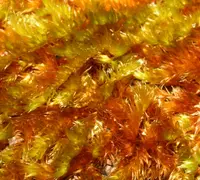
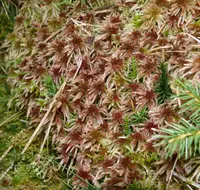
This species is named for its characteristic pattern of five distinct, often reddish to brownish bands along the stem branches, which helps bryologists reliably distinguish it from closely related Sphagnum species in the field.

Northern conifer forest specialist

It is especially associated with cool, moist boreal and montane conifer forests in Europe, where it forms carpets on acidic soils and decaying wood rather than dominating open bog surfaces like some other Sphagnum species.

Contributor to forest carbon storage

By slowly accumulating organic matter in shaded forest floors and on rotting logs, this moss helps build thick, acidic humus layers that store carbon and influence nutrient cycling differently from more waterlogged peat-forming Sphagnum in open bogs, which is important to understand when growing sphagnum in managed forest landscapes.

FAQs about sphagnum

This moss grows slowly, usually adding only a few cm per year under stable, moist conditions. Growth rate depends on constant moisture, cool temperatures, and low nutrient levels, which mimic its natural bog environment when growing sphagnum at home.

Grow Healthy Plants with Botan Care

Keep your plants happy and healthy with plant identification, disease detection, and easy care guidance.

Botan plant care app — identify plants on mobile

Explore More Plants