Use pathogen-free substrate
Steam or oven-sterilize collected leaf litter or wood pieces before use, or choose lab-grown substrates, to limit fungi, mites, and springtails that can quickly overrun dense moss mats.

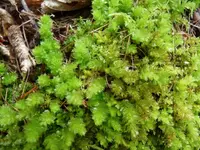
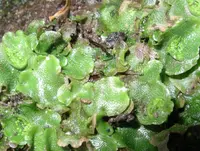
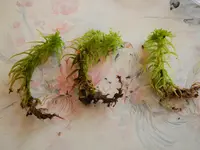
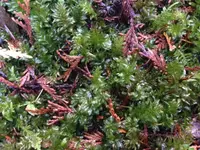
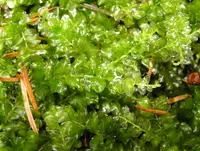
Plagiomnium venustum is a terrestrial moss that forms low, lush carpets of bright to medium green foliage. Its rounded, slightly glossy leaves grow along creeping stems, creating a soft, cushion-like texture.
In nature it is typically found on moist forest floors, stream banks, and shaded soil or rock in cool, temperate regions. It prefers consistently damp conditions, gentle airflow, and protection from direct sun, which makes it moderately easy to grow if moisture is stable.
These traits make Plagiomnium venustum a good candidate for terrariums and shaded outdoor moss gardens, as long as the substrate stays evenly moist but not waterlogged. Understanding how to care for plagiomnium moss mainly involves maintaining shade, humidity, and clean, low-nutrient growing surfaces.

Care Difficulty
Moderate Care

Light Preference
Partial Shade

Water Requirements
Keep Soil Moist

Temperature Preference
Cool Climate

Hardiness Zone
6–9

Soil Texture
Loamy, Silty, Organic-rich

Soil pH
Acidic (5.5–6.5), Slightly acidic (6.5–7.0)

Soil Drainage
Moist but well-drained

Fertilization
Minimal (feed rarely)
Scan your plant to receive care tips personalized for your specific plant
Available on iOS and Android
This moss prefers soft, indirect light that mimics a shaded forest floor.
This species needs consistently moist conditions without long dry periods or stagnant water.
This moss grows best in cool to mild temperatures similar to a shaded woodland environment.
This moss prefers consistently moist air and reacts quickly to dry indoor conditions.
Provide a consistently moist, loose, organic substrate that stays airy yet never waterlogged.
This species suits shallow containers and terrariums when moisture and drainage are balanced carefully.
This moss has low nutrient demand, so focus on gentle, dilute feeding rather than heavy fertilization.
Pruning for Plagiomnium venustum focuses on light grooming rather than structural shaping.
Transplanting is more relevant than repotting, since this moss is often grown as a ground or substrate cover.
Propagation of Plagiomnium venustum is usually done vegetatively rather than from spores in home settings.
This moss is fairly cold hardy in suitable climate zones and usually needs only modest winter care outdoors.

Plant Health Check
Not sure what's wrong with your plant? Check your plant's health inside the app.
This moss forms unusually broad, creeping leafy shoots with large, rounded leaves that overlap like roof tiles, creating a dense, velvety carpet on the forest floor or on rotting logs.
It is strongly associated with cool, humid coniferous forests of the Pacific Northwest, where it often grows in deep shade on decaying wood, humus-rich soil, and stream banks.
Its preference for consistently moist, shaded microhabitats makes it a useful informal indicator of stable, high-humidity forest conditions and relatively undisturbed woodland floors.
Growth is generally slow to moderate. In stable, moist conditions, it may extend 1–3 cm per year. Cooler temperatures, drying out, or disturbance slow it down. Consistent moisture and gentle handling are key for growing plagiomnium moss successfully.
Keep your plants happy and healthy with plant identification, disease detection, and easy care guidance.