Use water pre-conditioning
Store tap water in an open container for 24 hours before use so chlorine can dissipate and the water reaches room temperature, which reduces shock to the moss mats when watering or misting.

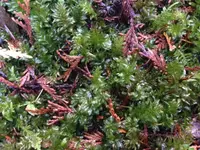
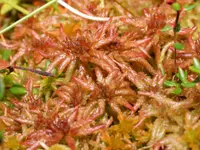
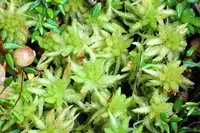
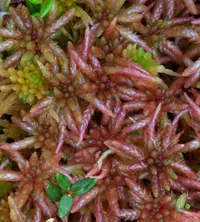
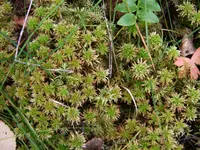
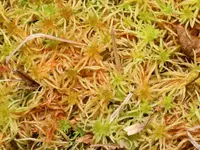
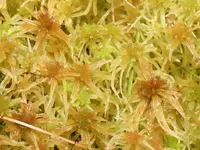
Plagiomnium insigne, often called plagiomnium moss, is a low-growing, creeping moss that forms soft, bright green carpets. Its upright leafy stems create a dense, cushion-like texture.
This species is native to cool, moist forests and stream edges, especially in temperate regions of the Northern Hemisphere. It often grows on soil, rotting wood, and shaded banks.
Plagiomnium insigne is considered moderately easy to grow when its need for constant moisture and shade is met. It dislikes drying out or strong direct sun.
Those learning how to care for plagiomnium moss should focus on providing soft, indirect light, evenly moist conditions, and a stable, humus-rich substrate.

Care Difficulty
Moderate Care

Light Preference
Partial Shade

Water Requirements
Keep Soil Moist

Temperature Preference
Cool Climate

Hardiness Zone
6–9

Soil Texture
Loamy, Silty, Organic-rich

Soil pH
Strongly acidic (4.5–5.5), Acidic (5.5–6.5)

Soil Drainage
Waterlogged tolerant

Fertilization
Minimal (feed rarely)
Scan your plant to receive care tips personalized for your specific plant
Available on iOS and Android
This moss prefers cool, softly lit conditions that mimic a forest floor.
This species requires consistently moist conditions without long dry periods.
This moss thrives in cool to mild climates with stable, moderate temperatures.
This moss prefers consistently high humidity to stay lush and actively growing.
Use a consistently moist, loose, organic-rich substrate that mimics damp woodland or stream-bank conditions.
This species adapts well to shallow container culture, especially in terrariums and trays designed to stay evenly moist.
This moss has very low nutrient demand, so any feeding should stay light and infrequent.
Plagiomnium insigne benefits from light grooming rather than structural pruning.
This moss is usually transplanted as patches rather than repotted in the traditional sense.
Plagiomnium insigne is commonly propagated by division of existing mats rather than from spores at home.
This moss is cold hardy in many temperate climates and usually needs minimal winter care outdoors.

Plant Health Check
Not sure what's wrong with your plant? Check your plant's health inside the app.
This species often forms extensive, bright green carpets on moist soil and decaying logs in temperate forests, where its dense mats help stabilize the substrate and retain surface moisture for other small organisms.
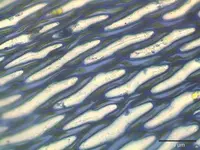
Under a hand lens, the leaf margins show distinctly enlarged, clear marginal cells compared to the inner leaf cells, a diagnostic feature bryologists use to distinguish it from similar Plagiomnium species.
Its shoots and leaves change posture with hydration, standing more erect and open when well hydrated and becoming slightly flattened and less lustrous as they dry, which helps reduce water loss between rainfall or misting events.
Growth is moderate under stable moisture and cool conditions. It usually spreads a few centimeters per year, forming thicker carpets over several seasons. Disturbance, drying out, or strong sun slows it down significantly when growing plagiomnium moss in cultivation.
Keep your plants happy and healthy with plant identification, disease detection, and easy care guidance.