Divine Bogmoss Care (Sphagnum divinum)

Divine Bogmoss

About Divine Bogmoss

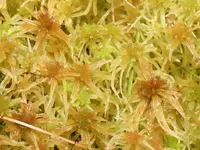
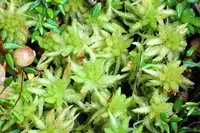
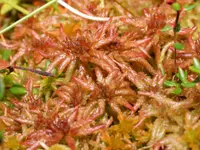
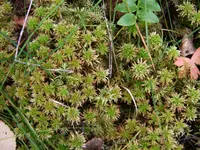
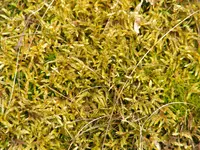
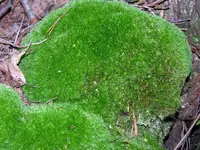
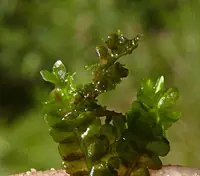
Divine Bogmoss (Sphagnum divinum) is a moisture-loving moss that forms dense, sponge-like carpets rather than upright stems or leaves. It stores large amounts of water in its tissues, creating a soft, cushiony surface.

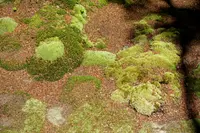
In nature it is typically found in cool, wet bogs and peatlands, often covering soil, rotting wood, or rock in consistently damp sites. Its slow growth and need for constant moisture can make it a bit challenging for beginners.

Those who want to care for Divine Bogmoss should focus on steady humidity, gentle light, and a clean, low-nutrient growing medium to mimic its natural habitat as closely as possible.

Main Plant Requirements

Care Difficulty

Moderate Care

Light Preference

Partial Shade

Water Requirements

Aquatic

Temperature Preference

Cool Climate

Hardiness Zone

Unknown

Soil Texture

Peaty, Organic-rich

Soil pH

Strongly acidic (4.5–5.5), Acidic (5.5–6.5)

Soil Drainage

Waterlogged tolerant

Fertilization

Minimal (feed rarely)

Get Personalized Care Plan

Scan your plant to receive care tips personalized for your specific plant

Available on iOS and Android

How to Care for the Divine Bogmoss

This moss prefers consistently bright but softened light that mimics open, moist bogs.

  • Provide 3–6 hours of gentle morning sun with bright, filtered light the rest of the day, avoiding harsh midday exposure.
  • Tolerates light to moderate partial shade, but growth becomes sparse and pale if light stays very low for several weeks.
  • In summer, protect Divine Bogmoss from direct afternoon sun to prevent bleaching and drying; in winter, move closer to unobstructed light to maintain compact, green growth.

This species needs constant moisture around the stems and growing tips, not periodic drying cycles.

  • Keep the substrate saturated or very wet at all times; surface should feel spongy and glistening, never crusted or dusty.
  • If grown in a tray or bog setup, maintain 1–5 cm of standing water, reducing to just-saturated conditions in cooler months to avoid rot.
  • Signs of underwatering include crisp, brown tips and shrinking cushions, while sour smell and limp, discolored strands suggest poor drainage and chronic overwatering in anaerobic conditions.

This moss grows best in cool to mild conditions typical of many temperate bogs.

  • Ideal growth occurs around 55–70°F (13–21°C), with steady moisture and high humidity supporting dense, bright green cushions.
  • Short exposures down to about 25–30°F (-4– -1°C) are usually tolerated if the substrate stays wet, but repeated hard freezes can damage actively growing tips.
  • Heat tolerance is limited; above 80°F (27°C), provide extra shade, airflow, and saturated substrate, since prolonged 90°F+ (32°C+) conditions can cause dieback.

This moss needs very high, stable humidity to stay actively growing and hydrated.

  • Aim for 70–100% humidity; growth slows and fronds crisp at lower levels.
  • Dry air causes pale, shrinking tips and brittle, brown strands, especially at the upper surface.
  • Increase humidity with closed or semi-covered containers, high-sided trays, or frequent fine misting that keeps moss moist but not submerged.

Sphagnum divinum thrives in saturated, low-nutrient, highly organic substrates rather than typical potting mixes.

  • Use a deep layer of loose, fibrous peat or long-fiber sphagnum over a base of inert material like perlite or pumice to provide structure.
  • Keep the substrate consistently wet to waterlogged, with the lower layer standing in water and the growing surface just above it.
  • Maintain strongly acidic conditions around pH 3.5–5.0; avoid lime, ash, or fertilizers that raise pH or add excess nutrients.
  • Do not mix in compost, bark, or rich garden soil, which compress, overfeed the moss, and encourage competing algae or fungi.

This species is well suited to container culture when moisture and water level are carefully controlled.

  • Choose a wide, shallow container or tray that allows the moss mat to spread horizontally and receive even light.
  • Use a watertight outer tray or reservoir so the base stays in standing water while the upper moss layer remains just above the waterline.
  • Prefer plastic or glazed ceramic containers over porous clay to slow evaporation and keep the microhabitat evenly moist.

Sphagnum divinum is adapted to nutrient-poor habitats and usually performs best with no added fertilizer.

Sphagnum divinum benefits from light grooming rather than structural pruning.

  • Trim away brown, dead, or decomposing segments at any time to maintain clean, active growth.
  • In dense mats, thin small patches to improve light penetration and air movement across the surface.
  • Use clean scissors or pinch small tufts by hand, avoiding deep cuts into the moist, living layer.
  • Gentle grooming helps maintain cushion shape and encourages fresh, bright new tips.

Divine Bogmoss is typically grown as a mat that is moved or refreshed rather than frequently repotted.

  • Transplant when growth becomes overly compacted, water drains poorly, or the moss layer decays underneath.
  • Aim for early spring or mild, cool weather so plants re-establish before summer heat or winter chill.
  • Expect to refresh or transplant surface layers every 1–3 years in containers or cultivated bogs.
  • Lift sections gently, keep them evenly moist, and press onto fresh, acidic, peat-free substrate to limit stress.

Sphagnum divinum is commonly propagated by division and re-laying living fragments rather than by seed.

  • Best time is in cool, moist seasons such as spring or early fall for steady re-rooting.
  • Tear or cut healthy, green upper segments into small tufts, avoiding heavily browned bases.
  • Lay pieces onto saturated, acidic, peat-free medium and press lightly for firm contact.
  • Maintain constant moisture, high humidity, and bright, indirect light to support new anchoring and spread.

This moss is generally cold hardy and, in the ground, needs minimal winter attention.

  • In climates below about 10°F, a light mulch around the growing surface helps moderate temperature swings.
  • Container cultures can be sunk into the ground or moved to an unheated but frost-free space.
  • Keep the medium damp, not waterlogged, since ice formation in saturated trays can damage tissue.

Care Tips

Water Pre‑conditioning

Let collected rainwater or reverse-osmosis water sit for 12–24 hours before use so it reaches ambient temperature and dissolved gases equilibrate, which reduces shock to the moss colony during irrigation.

Layered Colony Building

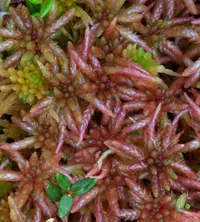
When expanding a culture, place thin, loosely fluffed layers of live heads on top of older, partially decomposed sphagnum so the older layer acts as a moisture-retentive wick and nutrient buffer that speeds establishment.

Shallow Tray Management

Use wide, shallow trays with a gently sloped base so excess water can pool at one end, then periodically rotate the tray to ensure even moisture distribution and reduce localized dieback.

Clean Tool Protocol

Rinse and disinfect scissors, tweezers, and containers with a mild bleach solution (about 1:10 bleach to water) before trimming or dividing colonies to limit the spread of fungi, algae, and mites when growing Divine Bogmoss.

Algae Light Control

If green algae begins to cover the moss surface, temporarily reduce light intensity slightly and increase air movement instead of scraping the surface, which helps the sphagnum outcompete algae without physical damage.

Common Pests and Diseases

Fungus gnat larvae

This pest thrives in constantly wet sphagnum and feeds on decaying moss tissue and tender new growth. Symptoms include thinning mats, slow regrowth after trimming, and visible small white larvae in the top 1–2 cm of the moss.

Solution

Reduce waterlogging by allowing the surface to drain well between irrigations, then flush the moss column thoroughly once larvae decline. Use yellow sticky traps for adults and apply a biological control such as Bacillus thuringiensis israelensis (BTI) or beneficial nematodes according to label directions, repeating as needed until no larvae are visible.

Algal overgrowth

This disease-like condition occurs when algae colonize the constantly wet, nutrient-rich surface, forming green films or sheets that smother growing tips. Symptoms include dull green slime on the upper layer, reduced new head formation, and stalled vertical growth.

Solution

Lower nutrient inputs by avoiding fertilizer, increase light and airflow, and physically skim or gently rinse away the top algal layer without fully drying the moss. If possible, use cleaner, low-mineral water and slightly raise the growing surface to improve drainage while keeping the lower layers moist.

Leaf-tip browning

This physiological disorder develops when water quality, salts, or overheating damage the delicate capitula (moss heads). Symptoms include brown, crisp tips, loss of the bright green color, and patchy dieback starting at the surface layer.

Solution

Switch to rainwater, distilled, or reverse-osmosis water and flush the moss thoroughly to remove accumulated salts. Keep the moss cool and shaded from intense midday sun, and trim off completely dead surface patches to encourage new, healthy heads to grow from below; this is a core part of Sphagnum divinum care instructions in warm climates.

Botrytis blight

This disease is caused by Botrytis fungi favored by stagnant air over saturated moss, leading to soft, gray-brown patches. Symptoms include water-soaked segments that collapse, with fine gray mold visible on dead tufts, especially in crowded trays or terrariums.

Solution

Improve air movement and reduce condensation by venting covers or slightly increasing distance from lights, then carefully remove and discard all affected moss sections. Rinse tools between cuts, avoid overhead misting onto already saturated mats, and temporarily thin dense areas so the surface can dry slightly between waterings.

Slugs and snails

These pests are attracted to cool, moist sphagnum beds and can graze heavily on fresh green tips at night. Symptoms include irregularly torn or missing heads, silvery slime trails on containers, and scattered bare patches in outdoor or greenhouse culture.

Solution

Hand-pick slugs and snails in the evening, use physical barriers such as copper tape on container rims, and keep surrounding areas free of dense debris where they hide. If pressure remains high, place iron-phosphate bait stations outside the moss bed, following label directions and avoiding direct contact with the active growing surface.

Interesting Facts

Peat bog indicator

This moss is known from ombrotrophic bogs where it helps build deep, water‑logged peat layers, and its presence is used by bryologists to characterize very specific nutrient‑poor, acidic habitats.

Recent taxonomic recognition

It was separated from closely related sphagnum lineages only after modern microscopic and molecular studies showed consistent differences in stem leaf structure and DNA markers.

Carbon‑rich cell structure

Like other peat mosses but with its own distinct leaf anatomy, it has large dead hyaline cells that store water and trap organic matter, making it an efficient contributor to long‑term carbon storage in intact bogs.

FAQs about Divine Bogmoss

This species spreads by creeping stems and new shoots, but it is usually gradual rather than aggressive in containers or controlled beds. In wet, unmanaged bog-like areas it can slowly form dense mats over time.

Grow Healthy Plants with Botan Care

Keep your plants happy and healthy with plant identification, disease detection, and easy care guidance.

Botan plant care app — identify plants on mobile

Explore More Plants