lanceolateleaf rock moss Care (Lewinskya speciosa)

Also known as: Showy Bristle Moss
lanceolateleaf rock moss

About lanceolateleaf rock moss

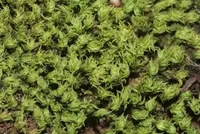
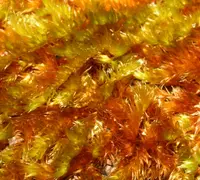
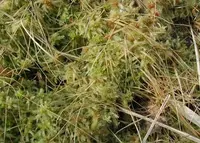
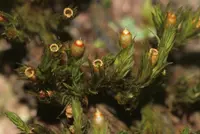
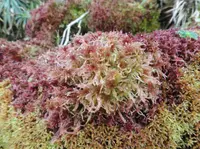
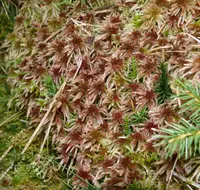
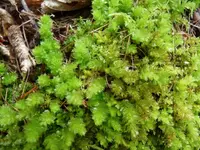
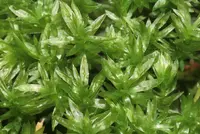
Lanceolateleaf rock moss, Lewinskya speciosa, is a small bryophyte that forms dense, cushion-like mats on rocks, walls, and tree bases. It is a non-vascular plant, which means it lacks true roots and relies on surface moisture. Its narrow, lance-shaped leaves and upright, compact shoots give it a tidy, textured appearance, often with spore capsules held on slender stalks. This species occurs widely in temperate regions, especially in urban stonework and naturally exposed rocky habitats. It is generally hardy and adaptable but depends on consistent ambient moisture and clean air quality, which can make how to care for lanceolateleaf rock moss slightly site-dependent. It prefers cool to moderate light, regular humidity, and stable, undisturbed surfaces to anchor and spread.

Main Plant Requirements

Care Difficulty

Moderate Care

Light Preference

Partial Shade

Water Requirements

Keep Soil Moist

Temperature Preference

Cool Climate

Hardiness Zone

Unknown

Soil Texture

Rocky, Sandy, Loamy

Soil pH

Acidic (5.5–6.5)

Soil Drainage

Moist but well-drained

Fertilization

Minimal (feed rarely)

Get Personalized Care Plan

Scan your plant to receive care tips personalized for your specific plant

Available on iOS and Android

How to Care for the lanceolateleaf rock moss

Lewinskya speciosa thrives in bright, indirect light with some protection from intense midday sun.

  • Provide 3–5 hours of gentle morning sun, then bright, filtered light or light shade for the rest of the day, especially on exposed rocks or walls.
  • Allow dappled or partial shade (around 40–70% shade) in summer; lanceolateleaf rock moss can scorch under strong afternoon sun, especially during heatwaves.
  • Watch color and density: pale, thinned cushions indicate insufficient light, while brown, crispy tips suggest excessive direct sun exposure.

Lewinskya speciosa prefers consistently moist but not waterlogged conditions.

  • In natural rock or soil crevices, let the surface just begin to feel barely dry before the next thorough wetting, avoiding prolonged saturation.
  • Use a free-draining, gritty substrate so excess water runs off quickly, reducing the risk of rot and stagnant moisture around the rhizoids (anchoring filaments).
  • Monitor signs: dull, shriveled shoots indicate underwatering, while a soft, mushy texture or persistent dark green patches in soggy areas suggest overwatering.

This moss is cool- to mild-temperate and tolerates a reasonable range of outdoor temperatures.

  • Aim for active growth in 45–70°F (7–21°C), with best development during cool, moist seasons such as spring and autumn.
  • Lewinskya speciosa usually survives down to around 10–20°F (-12 to -6°C) if kept moist and not exposed to drying winds, though foliage may partially brown.
  • Heat above 85°F (29°C), especially with full sun and low humidity, can cause desiccation; provide shade and frequent moisture pulses during hot spells.

This moss prefers steady, moderately moist air to keep its fine shoots hydrated.

  • Target 50–70% humidity, as very dry air slows growth and can cause leaf tips to crisp.
  • Watch for pale, brittle cushions and slow recovery after watering as signs of low-humidity stress.
  • Raise humidity with grouped plantings on a pebble tray or in a shaded, ventilated terrarium to support lanceolateleaf rock moss.

Lewinskya speciosa thrives on thin, mineral-based substrates that stay moist yet never stagnant.

  • Use a gritty, open mix such as 2 parts fine sand or granite grit to 1 part crushed bark or leaf litter for structure and moisture retention.
  • Ensure very sharp drainage; water must pass through quickly so rhizoids stay oxygenated and surfaces dry slightly between soakings.
  • A slightly acidic reaction around pH 5.0–6.5 suits this moss, often matching conditions on natural rock or bark.
  • Avoid dense, peat-heavy or clay-based substrates that hold standing water, compact, and block aeration around the moss cushions.

This species can adapt to shallow container culture when drainage and surface conditions mimic exposed rock.

  • Use a wide, shallow tray or bonsai pot so the moss forms low cushions without deep, saturated substrate beneath.
  • Layer coarse gravel at the base with a thin mineral-rich top layer to keep roots above any brief water accumulation.
  • Choose heavier ceramic or stone containers outdoors so the light mat is not disturbed by wind or accidental bumps.

Lewinskya speciosa generally thrives without added nutrients and is usually grown on low-nutrient rock or bark surfaces.

Lewinskya speciosa needs almost no intentional pruning beyond basic grooming.

  • Best timing is during active growth in spring or early summer, when recovery is fastest.
  • Gently remove loose, dead, or clearly decayed patches with tweezers or fingers.
  • Avoid cutting healthy cushions; trimming can disrupt water uptake and slow growth.
  • Use clean, fine tools and avoid disturbing the substrate the moss anchors to.

This moss is rarely grown in standard pots, so care focuses on transplanting small cushions rather than classic repotting.

  • Transplant only when colonies outgrow a rock or mount, or when coverage is uneven.
  • Best timing is cool, moist weather in spring or fall to reduce drying stress.
  • Lift small mats with a thin knife or spatula, keeping rhizoids and substrate intact.
  • Press gently onto the new surface, mist thoroughly, and shade lightly until reattached.

Propagation of Lewinskya speciosa is typically done by division and relocation of existing cushions rather than from spores at home.

  • In spring or fall, split healthy cushions into smaller clumps using fingers or fine tweezers.
  • Place divisions on rough, clean rock or bark that stays evenly moist but not waterlogged.
  • Mist with soft, low-mineral water and maintain high humidity and bright, indirect light.
  • Avoid covering with dense soil; the moss must sit on the surface to anchor properly.

In temperate climates this moss is naturally frost tolerant and usually needs no special winter care.

Care Tips

Rock surface choice

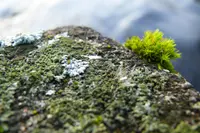
Establish colonies on stable, non-calcareous rocks such as granite, sandstone, or basalt, since these hold moisture in micro-crevices and avoid excess lime that can stress this moss.

Microtopography watering

When misting, direct water toward rock crevices and rough textures rather than flat faces so capillary action pulls moisture into the moss cushions instead of letting it run off.

Seasonal thinning

Once or twice a year, gently pinch or lift away loose, dead outer cushions to improve air movement around living shoots and reduce the risk of fungal growth in dense mats.

Fragment-based propagation

To expand a patch, press small, fresh fragments firmly into damp rock fissures or onto rough surfaces, then keep evenly moist for several weeks until they anchor and resume growth.

Controlled algae management

If green film algae starts to overgrow the moss, briefly increase air movement and slightly reduce watering frequency, then use a soft brush and water rinse to remove algae without scraping the moss tissue.

Common Pests and Diseases

Desiccation damage

Symptoms include brown, brittle patches and loss of the lush green cushion, often starting on exposed ridges or edges. This problem develops when moss cushions dry out repeatedly under sun, wind, or low ambient humidity.

Solution

Reduce exposure to direct sun and drying wind, and keep the substrate evenly moist without flooding. Mist gently or provide frequent light watering, increase ambient humidity around the colony, and avoid walking or placing objects on the moss while it is stressed to support recovery and stable Lewinskya speciosa care.

Algal overgrowth

This disease-like condition appears as slimy green films or crusts that cover and smother the moss surface, especially in nutrient-enriched run‑off areas. Growth of algae competes with the moss for light and moisture and can lead to thinning or dieback of shoots.

Solution

Reduce nutrient inputs by avoiding fertilizer splash and soil erosion onto the moss, and improve drainage so water does not stagnate. Gently rinse the surface with low‑pressure water to dislodge algae, then allow the site to dry slightly between waterings while keeping the moss just moist, not waterlogged.

Fungal leaf spot

This disease causes small dark specks or blotches on moss leaves and sporophyte stalks, sometimes leading to localized thinning of the cushion in persistently wet, stagnant air conditions. This issue is more frequent in shaded rock gardens or greenhouse displays with poor air circulation.

Solution

Increase airflow around the moss by thinning nearby vegetation or improving ventilation, and avoid overhead watering late in the day so foliage dries between irrigations. Remove and discard heavily affected clumps, and if grown under glass, temporarily reduce humidity until new, clean growth appears.

Springtail grazing

These insects are tiny, pale or gray arthropods that may concentrate in dense, moist moss cushions, nibbling on delicate new shoots and occasionally creating a patchy, uneven texture. This pest pressure tends to increase in enclosed, constantly wet containers or terraria.

Solution

Lower excessive moisture by allowing short drying intervals at the surface while keeping the substrate lightly damp, which reduces springtail populations without harming the moss. Physically flush them out with gentle water rinses and, in closed containers, briefly open lids more often to improve ventilation and discourage large colonies.

Moss mites

This pest consists of very small arachnids that feed on moss tissues and organic debris, causing a rough, uneven surface and slow thinning of cushions over time. Damage is often subtle at first but becomes visible as patchy, irregular tufts and reduced vigor in long‑established mats.

Solution

Carefully lift and shake or rinse affected cushions to remove debris and a portion of the mite population, then re‑settle them on a clean, well‑drained substrate. Reduce buildup of leaf litter and dust, slightly increase air movement, and, in contained displays, repeat gentle rinsing over several weeks to bring populations down while preserving the moss.

Interesting Facts

Sexual dimorphism capsules

This species shows clear sexual dimorphism, with male and female plants producing noticeably different reproductive structures, including distinctively shaped capsules on female sporophytes. The long, elegant capsules often bend away from the stem, which helps distinguish it from closely related mosses in the family Orthotrichaceae.

Rock and bark specialist

Lewinskya speciosa typically grows as a small cushion on tree bark or siliceous rock in well-lit, humid sites. Its preference for nutrient-poor, stable substrates makes it a useful indicator of relatively undisturbed microhabitats.

Peristome teeth pattern

The species has a characteristic peristome, the ring of tooth-like structures around the capsule mouth that controls spore release. In L. speciosa, the size, number, and ornamentation pattern of these teeth are key characters used by bryologists to separate it from similar Orthotrichum relatives.

FAQs about lanceolateleaf rock moss

This species does best outdoors on rocks, bark, or compact soil where humidity and rainfall are natural. Indoors it survives only with very high humidity and careful watering, so lanceolateleaf rock moss indoor care is more challenging.

Grow Healthy Plants with Botan Care

Keep your plants happy and healthy with plant identification, disease detection, and easy care guidance.

Botan plant care app — identify plants on mobile

Explore More Plants