Southern Crestwort Care (Lophocolea semiteres)

Also known as: flat fern liverwort
Southern Crestwort

About Southern Crestwort

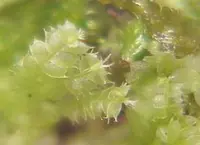
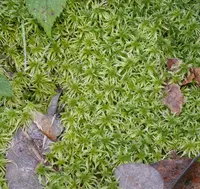
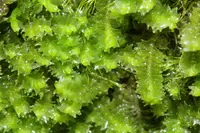
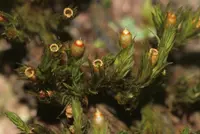
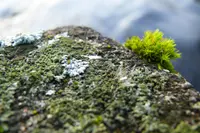
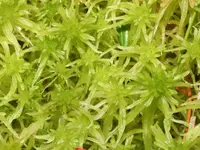
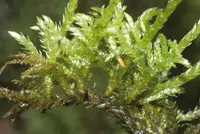
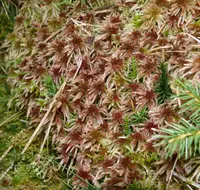
Southern crestwort, Lophocolea semiteres, is a small leafy liverwort, a simple non-vascular plant that spreads as low, flat mats. Its thin, lobed leaves form soft, green patches on damp soil, rotting wood, rock faces, or shaded greenhouse benches. This species is native to the Southern Hemisphere, especially New Zealand and nearby regions, but can appear in controlled, humid environments elsewhere.

The plant prefers cool, shaded, constantly moist conditions and does not tolerate drying out. Its delicate structure makes it sensitive to disturbance, so learning how to care for Southern Crestwort starts with providing stable humidity and gentle handling.

Main Plant Requirements

Care Difficulty

Moderate Care

Light Preference

Partial Shade

Water Requirements

Keep Soil Moist

Temperature Preference

Cool Climate

Hardiness Zone

Unknown

Soil Texture

Peaty, Organic-rich, Loamy

Soil pH

Strongly acidic (4.5–5.5), Acidic (5.5–6.5)

Soil Drainage

Moist but well-drained

Fertilization

Minimal (feed rarely)

Get Personalized Care Plan

Scan your plant to receive care tips personalized for your specific plant

Available on iOS and Android

How to Care for the Southern Crestwort

This small liverwort prefers cool, shaded to softly lit habitats with very gentle sun exposure.

  • Provide dappled or filtered light, such as on a north or east-facing bank, with no more than 1–2 hours of weak morning sun.
  • Aim for bright shade under shrubs, logs, or rocks; direct midday or afternoon sun easily scorches Southern Crestwort and dries it out.
  • In summer, increase shading or moisture if fronds pale or crisp at the edges; in darker seasons, ensure at least a softly lit, open shade to prevent thinning.

This species needs constantly moist conditions and does not tolerate drying out.

  • Keep the substrate consistently damp, not waterlogged; the surface should always feel moist, never crusty or dusty to the touch.
  • Use a freely draining but moisture-retentive mix or natural substrate so excess water drains away while the fine rhizoids stay evenly moist.
  • Reduce watering slightly in cooler months but prevent full drying; limp, curling fronds suggest underwatering, while dark, mushy patches indicate stagnant, oversaturated conditions.

This liverwort prefers cool, mild conditions and is sensitive to both hard frost and intense heat.

  • Ideal growth occurs around 50–70°F (10–21°C), with stable, shaded conditions and consistently high humidity.
  • It can tolerate brief drops to about 32°F (0°C) if protected and moist, but repeated or deep frost can damage delicate shoots.
  • Heat above 80°F (27°C), especially with direct sun, can cause rapid desiccation, so provide deep shade, extra moisture, and good air movement in hot weather.

This liverwort prefers consistently moist, high-humidity conditions to thrive.

  • Aim for 60–80% humidity, using a covered terrarium or shaded, humid outdoor nook to mimic its natural forest-floor habitat.
  • Plants in dry indoor air curl, pale, or develop brittle, patchy mats, showing humidity stress rather than drought alone.
  • To support caring for Southern Crestwort, cluster moisture-loving plants together, add a shallow pebble tray with water, or partially cover the container to trap humidity without sealing it airtight.

This species prefers a consistently moist, loose, organic-rich substrate rather than typical potting mixes.

  • Use a fine-textured mix of 60–70% sphagnum peat or coco coir with 20–30% leaf mold or compost and 10–20% fine sand for structure.
  • Ensure the substrate drains freely yet stays evenly damp, avoiding standing water that turns the thin rhizoids (anchoring structures) anaerobic and rotten.
  • Aim for slightly acidic conditions around pH 5.0–6.5, similar to damp woodland or stream-bank moss habitats favored by Lophocolea semiteres.
  • Improve aeration by avoiding compaction, misting or bottom-watering gently, and using shallow trays where the layer remains thin and aerated rather than deep and waterlogged.

This species is suitable for shallow container or terrarium culture when moisture and airflow are balanced carefully.

  • Choose a wide, shallow tray so the creeping mats can spread horizontally, preventing dense, suffocating layers of growth.
  • Select a non-porous container (plastic or glazed ceramic) to slow evaporation, then rely on surface ventilation to avoid stagnant, saturated conditions.
  • Slightly tilt the container or create a subtle slope in the substrate so excess water drains to one edge and does not pool under the entire mat.

This small liverwort needs only minimal feeding under cultivation, as it is adapted to nutrient-poor habitats.

  • Use a very dilute balanced NPK liquid fertilizer (about 1/8–1/4 strength) formulated for mosses or terrarium plants.
  • Apply no more than once every 4–6 weeks during active growth in spring and summer when growing Southern Crestwort indoors.
  • Skip feeding in fall and winter, or when growth slows, to avoid salt buildup in the substrate.
  • Rinse the substrate with soft or distilled water occasionally to leach accumulated nutrients and prevent root and rhizoid damage.

Pruning needs for Lophocolea semiteres are light and mainly hygienic rather than structural.

  • Trim away dead, discolored, or decaying fronds at any time to limit fungal growth and maintain airflow over the mat.
  • Use fine scissors or tweezers, cutting just above healthy tissue to avoid tearing delicate shoots.
  • Thin crowded patches slightly in spring to keep an even, low carpet and prevent self-shading that weakens inner growth.
  • Remove any algae or invasive mosses and liverworts by gently lifting them off the colony surface.

This liverwort is usually grown on shallow substrates or hardscape, so transplanting is rare and done mainly to refresh its environment.

  • Consider transplanting when growth becomes patchy, substrate compacts, or water stagnates despite careful watering.
  • Carry out moves in mild conditions, typically in spring, to reduce stress and allow quick re-establishment.
  • Lift Lophocolea semiteres as thin mats or fragments using tweezers, keeping the substrate slightly moist during handling.
  • Press fragments gently onto fresh, clean, moist substrate or stone and keep humidity high with diffuse light until new growth anchors.

Propagation of this liverwort is straightforward, as it spreads vegetatively more reliably than from spores in home conditions.

  • Use division of small mats or fragments taken from healthy, actively growing areas in spring or early summer.
  • Place fragments flat on moist, fine-textured substrate or rough stone to allow rhizoids to attach.
  • Maintain high humidity, gentle air movement, and low to medium diffuse light to support steady new growth.
  • Avoid burying pieces; instead, press them lightly onto the surface and mist with soft water until established.

In mild to cool climates, this species tolerates low temperatures but is vulnerable to hard freezes, especially in shallow containers.

  • Keep outdoor containers in frost-free, shaded locations once temperatures approach 32°F, such as an unheated but protected porch or cold frame.
  • Maintain substrate just moist, not saturated, since cold, waterlogged conditions favor rot.
  • Avoid direct winter sun, which can desiccate fronds when the substrate is cold and slow to rehydrate.

Care Tips

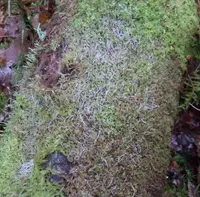
Use porous surfaces

Grow mats on porous materials such as lava rock, pumice, or unglazed terracotta shards to anchor the thallus securely and keep moisture evenly distributed without waterlogging.

Create microclimate dome

Place the culture tray inside a clear plastic box or under a vented humidity dome with a few small air holes to maintain stable high humidity while still allowing slow air exchange to prevent mold.

Gentle water delivery

Irrigate using a fine-mist spray bottle or a syringe with a bent tip so water flows along the substrate surface instead of directly onto the delicate shoots, which reduces mechanical damage and substrate disturbance.

Divide and renew

Every 6–12 months, gently tear or cut small, healthy edge sections of the mat and reattach them to fresh substrate, which keeps growth vigorous and prevents older central areas from thinning or accumulating algae.

Algae and moss control

If algae or upright moss begin to overtake the colony, lightly shade the surface for a few weeks and physically pinch or scrape away invaders, keeping light and airflow balanced to support healthy Lophocolea semiteres plant care.

Common Pests and Diseases

Fungus gnat larvae

This pest lives in persistently wet substrates used for cultivated mats and can graze on delicate rhizoids and young tissue, causing thinning or yellowing patches in the liverwort carpet.

Solution

Reduce constant saturation by allowing the surface to drain briefly between waterings, use fine mesh or sand as a top layer, and flush the culture gently under water to dislodge larvae; if needed, apply a biological control such as Bacillus thuringiensis israelensis (BTI) in the water used for misting or soaking.

Slugs and snails

These insects feed on the soft thalli, creating irregular holes and ragged edges, and can rapidly strip small culture trays kept humid and shaded.

Solution

Hand-pick at night or early morning, use physical barriers such as copper tape or fine mesh around trays, and keep surrounding areas clean and dry so hiding spots are limited; in outdoor or greenhouse setups, targeted iron phosphate bait can be placed away from the liverwort surface.

Green algae overgrowth

This disease appears as a slimy green film on the substrate and even on the thallus surface, smothering the liverwort and competing for light and nutrients under very wet, nutrient-rich conditions.

Solution

Improve air movement and reduce nutrient input by using low-mineral water, shorten the time the culture stays covered, and gently rinse or siphon off algal films; if possible, lower light intensity slightly while maintaining regular but less intense moisture to favor the liverwort over algae, following general Lophocolea semiteres care guidelines for humidity and light balance.

Mold on thalli

This disease shows as white, gray, or fuzzy patches on crowded, constantly covered cultures, leading to localized dieback and brown, collapsing tissue.

Solution

Increase ventilation by removing lids or covers for part of the day, thin dense mats by trimming affected patches, and remove all visibly moldy fragments; sterilize or replace overly decomposed substrate and avoid stagnant, saturated conditions while still keeping humidity high for Southern Crestwort indoor care.

Interesting Facts

Tiny creeping shoots

This species forms very small, creeping shoots that often grow in thin, irregular patches on soil or decaying wood rather than making dense cushions like many other liverworts.

Distinctive leaf teeth

Its leaves are shallowly divided and have fine teeth along the outer margin, a feature bryologists use to distinguish it from closely related Lophocolea species under a hand lens or microscope.

Southern Hemisphere range

The species has a mainly Southern Hemisphere distribution, occurring in parts of Australasia and South America, where it inhabits moist, shaded habitats in lowland to montane areas.

FAQs about Southern Crestwort

This liverwort usually performs better outdoors or in very humid terrariums, because it relies on constant moisture and moving air. Indoors, it often declines unless humidity, substrate moisture, and gentle air circulation are kept very stable.

Grow Healthy Plants with Botan Care

Keep your plants happy and healthy with plant identification, disease detection, and easy care guidance.

Botan plant care app — identify plants on mobile

Explore More Plants