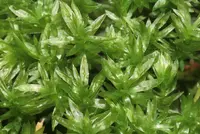
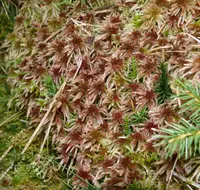
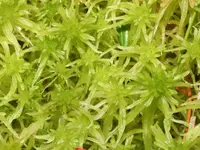
Mimic forest substrate
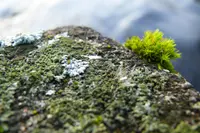
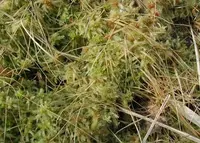
Grow Lophocolea bidentata on a shallow layer of long-fiber sphagnum over fine bark or rotted wood pieces to imitate its natural habitat and keep the thin shoots evenly anchored and hydrated.

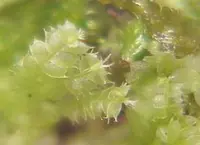
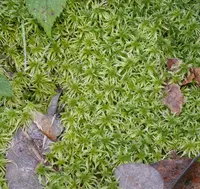
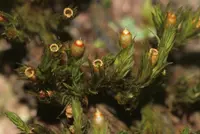
Bifid crestwort, Lophocolea bidentata, is a small leafy liverwort, a non-vascular plant that spreads as soft, low mats over damp surfaces. It has flat, overlapping, pale to medium green shoots with shallowly notched leaf tips, giving a fine, moss-like texture.
This species occurs widely in temperate regions, often on rotting wood, humus-rich soil, shaded banks, and rocks in forests and moist gardens. It prefers cool, shaded, consistently moist conditions and does not tolerate drying out.
In cultivation it can be grown in terrariums or very humid, sheltered outdoor spots, but is sensitive to heat, strong sun, and irregular watering. These traits mean it suits growers who can closely care for Bifid Crestwort rather than very casual plant owners.

Care Difficulty
Moderate Care

Light Preference
Shade

Water Requirements
Keep Soil Moist

Temperature Preference
Cool Climate

Hardiness Zone
5–9

Soil Texture
Loamy, Silty, Organic-rich

Soil pH
Acidic (5.5–6.5), Slightly acidic (6.5–7.0)

Soil Drainage
Moist but well-drained

Fertilization
Minimal (feed rarely)
Scan your plant to receive care tips personalized for your specific plant
Available on iOS and Android
This small liverwort thrives in cool, low to medium light similar to a shaded forest floor.
This moisture-loving liverwort needs consistently damp conditions without long drying cycles.
This species prefers cool, stable conditions similar to a shaded woodland floor.
This small liverwort needs consistently moist, high-humidity conditions to stay healthy.
This species prefers a constantly moist, airy, organic substrate rather than standard potting soil.
This species is suitable for shallow, controlled containers and thrives in terrariums or pans.
Lophocolea bidentata, often called Bifid Crestwort, grows well with very modest feeding in cultivation.
Lophocolea bidentata needs only light grooming rather than structural pruning.
This liverwort is usually grown as a ground cover in terrariums or shallow trays, so transplanting is minimal and gentle.
Lophocolea bidentata is commonly multiplied by simple vegetative methods rather than from spores.
This species is cold tolerant in mild to cool climates and usually needs little targeted winter care outdoors.

Plant Health Check
Not sure what's wrong with your plant? Check your plant's health inside the app.
This liverwort has distinctively bidentate, or two-toothed, leaf tips and margins, which gives rise to its species name bidentata and helps distinguish it from many similar leafy liverworts in the field.
It often grows on damp, nutrient-enriched substrates such as rotting wood, humus-rich soil, and decaying bark, where it helps trap and slowly recycle nitrogen and other dissolved nutrients in forest ecosystems.
Compared with many bryophytes, this species shows relatively high tolerance to mild air pollution and substrate disturbance, which partly explains its presence in parks, roadside banks, and urban woodlands in parts of Europe and North America.
This species spreads as a low, creeping mat rather than climbing. It forms thin, overlapping shoots that root as they go, slowly covering moist soil, decaying wood, or rock surfaces in suitable humid conditions.
Keep your plants happy and healthy with plant identification, disease detection, and easy care guidance.