Tumid Notchwort Care (Lophozia ventricosa)

Tumid Notchwort

About Tumid Notchwort

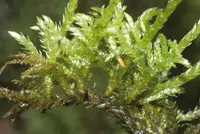
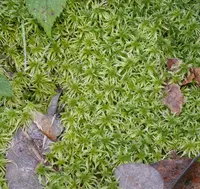
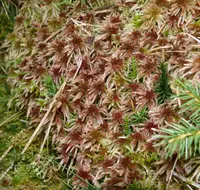
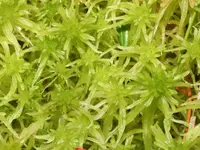
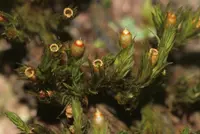
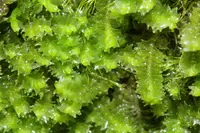
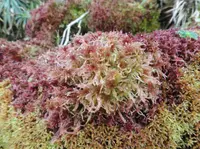
Tumid notchwort, Lophozia ventricosa, is a small leafy liverwort rather than a typical vascular plant. It forms low, soft mats of overlapping, lobed leaves that hug damp surfaces. The shoots are usually green to yellow-green and can tint brownish with age or strong light.

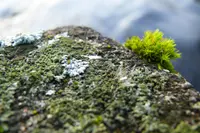
In nature, it grows widely across cool, moist regions of the Northern Hemisphere, often on rotting wood, peat, humus-rich soil, or shaded rock. Its preference for constant moisture and relatively cool, shaded conditions makes indoor cultivation more specialized.

Those who want to learn how to care for Tumid Notchwort should know it prefers gentle light, steady moisture, and an airy, organic substrate that never fully dries out.

Main Plant Requirements

Care Difficulty

Hard Care

Light Preference

Shade

Water Requirements

Keep Soil Moist

Temperature Preference

Cool Climate

Hardiness Zone

2–7

Soil Texture

Peaty, Organic-rich, Silty

Soil pH

Strongly acidic (4.5–5.5), Acidic (5.5–6.5)

Soil Drainage

Waterlogged tolerant

Fertilization

Minimal (feed rarely)

Get Personalized Care Plan

Scan your plant to receive care tips personalized for your specific plant

Available on iOS and Android

How to Care for the Tumid Notchwort

This liverwort prefers cool, low to medium light similar to its natural forest-floor habitats.

  • Provide bright shade or dappled light with 1–3 hours of weak morning sun; avoid direct midday or afternoon sun to prevent desiccation and bleaching.
  • Tumid Notchwort performs best on north or east-facing exposures, under shrubs, rocks, or logs where light is filtered through foliage.
  • In summer, increase shade or use fine-mesh cover during clear, hot days; in winter, allow more open light while still avoiding harsh, low-angle direct sun.

This species needs consistently moist conditions without prolonged saturation that excludes air.

  • Keep the substrate evenly moist so the surface never fully dries; in the field, this often means frequent light wetting whenever the top mossy layer feels barely damp.
  • Ensure the growing site has high organic matter and excellent drainage; water should drain away within a few minutes rather than pooling for hours around Lophozia ventricosa.
  • Reduce watering slightly in cooler months while still preventing drying; watch for curling, brittle shoots as a sign of underwatering and soft, dark, slimy patches as early overwatering damage.

This species is adapted to cool, humid climates and does best without temperature extremes.

  • Aim for 45–65°F (7–18°C) for active growth, mimicking shaded woodland or bog-edge conditions during much of the year.
  • Plants tolerate down to about 25°F (−4°C) with snow cover or consistent moisture, but repeated freeze–thaw cycles without protection can damage delicate shoots.
  • Limit exposure above 75°F (24°C); during warmer spells, increase shade and humidity and avoid hot, exposed rock or soil surfaces that can exceed air temperature by 10–20°F (6–11°C).

This liverwort needs steady moisture and relatively high humidity to stay healthy.

  • Aim for 60–80% humidity to mimic its natural moist woodland and bog habitats.
  • Plants tolerate brief dips to 40–50% but dry air causes crisped tips and pale, shrunken shoots.
  • Increase humidity with a covered, ventilated terrarium, frequent misting, or a water-filled pebble tray under the Tumid Notchwort container.

This species prefers a consistently moist, fine-textured, organic-rich substrate with excellent aeration.

  • Use a mix of fine peat or coco coir with milled sphagnum and a small amount of sand to create a soft, moss-like bed.
  • Ensure rapid drainage while retaining surface moisture by using shallow trays with many small holes or a mesh base.
  • Keep pH slightly acidic, around 5.0–6.0, by avoiding lime, wood ash, or alkaline tap water on Lophozia ventricosa.
  • Improve aeration by lightly fluffing compacted substrate and avoiding heavy mineral soils or dense potting mixes designed for large houseplants.

This species can be grown in containers when provided with a shallow, humid, and very evenly moist setup.

  • Choose wide, shallow trays that allow creeping growth and prevent deep, waterlogged pockets from forming.
  • Use rigid plastic or glazed ceramic to slow evaporation and keep surface moisture stable across the whole container.
  • Elevate the container slightly so drainage holes stay clear, preventing stagnant water from saturating the lower substrate layer.

This small liverwort, often called Tumid Notchwort, grows on low‑nutrient substrates and needs minimal fertilization in cultivation.

Pruning is minimal for Lophozia ventricosa and mainly serves to keep cultivated mats tidy and healthy.

  • Trim away brown, decayed, or moldy patches at any time, using fine scissors or tweezers.
  • Remove overcrowded or lifting sections to maintain a low, even carpet and good air movement.
  • Lift and discard any algae‑ or moss‑overrun pieces to limit competition and disease.
  • Avoid heavy thinning; keep interventions light to preserve moisture balance and structure.

Transplanting Lophozia ventricosa is rare and mostly done when refreshing its substrate or adjusting layout in culture.

  • Transplant when growth becomes patchy, substrate compacts, or drainage declines rather than waiting for visible roots.
  • Choose mild conditions, typically spring or early fall, to limit temperature stress during disturbance.
  • Lift small mats gently with a spatula, keeping underlying substrate attached to reduce shock.
  • Set onto fresh, moist, low‑nutrient medium and mist lightly, keeping humidity high until growth resumes.

Propagation of Lophozia ventricosa is commonly done vegetatively rather than from spores in home or lab culture.

  • Use division in spring or early fall, when plants are actively growing yet not heat‑stressed.
  • Gently tear or cut small, healthy mats, ensuring each piece carries firm, green shoots.
  • Press divisions onto moist, acidic, well‑drained substrate under high humidity and soft light.
  • Avoid burying; simply press into contact so rhizoids can anchor and new shoots can extend.

Lophozia ventricosa is cold hardy in its natural range and usually needs little specific winter care outdoors.

  • In outdoor settings, ensure substrate drains well so mats do not sit in ice‑cold standing water.
  • For container cultures in very cold climates, move trays to a cold, frost‑free area such as an unheated garage.
  • Avoid warm indoor overwintering; maintain cool, moist, low‑light conditions to support natural dormancy.

Care Tips

Use acid-safe substrates

Attach the liverwort to inert, mildly acidic substrates such as decaying hardwood, peat blocks, or clay pots dusted with fine sand to avoid nutrient burn from rich potting mixes.

Control algal growth

If green film or slime develops on the colony, gently rinse with soft water and slightly increase air movement, since algae compete directly with this bryophyte for light and moisture.

Seasonal moisture shift

In summer, mist more frequently but with very fine droplets, while in winter reduce misting and rely more on a consistently damp substrate to lower the risk of fungal outbreaks.

Fragment for propagation

To expand a colony, carefully divide small, healthy patches with fine tweezers and press them onto new damp substrate, keeping light low for 7–10 days to reduce transplant stress.

Monitor water quality

Use rainwater, distilled, or low-mineral filtered water and replace any standing tray water regularly, because dissolved salts from hard tap water quickly damage the delicate rhizoids and shoots when growing Tumid Notchwort.

Common Pests and Diseases

Fungal leaf spots

This disease often appears in dense, constantly wet colonies, especially in shaded, stagnant air. Symptoms include small dark or translucent spots on the leafy lobes that can merge into irregular dead patches.

Solution

Remove and discard affected patches of the mossy mat to reduce inoculum, then improve air movement and avoid continuous waterlogging while keeping the substrate evenly moist. If grown in a controlled collection, reduce overhead watering, water earlier in the day, and, if needed, use a dilute fungicide labeled for mosses and liverworts, testing on a small area first.

Algal overgrowth

This problem develops on constantly wet, nutrient-enriched surfaces, forming slimy green films that smother the liverwort. Symptoms include slick, bright green coatings on soil, rock, or over the plant surface, with reduced vigor underneath.

Solution

Reduce fertilizer use, increase shade-tolerant airflow, and allow the surface to dry slightly between waterings while keeping the underlying substrate moist. Gently rinse or brush away algal films and, if possible, adjust placement to lower light intensity and splashing that spread algal cells.

Mite damage

These pests may colonize moist, sheltered microhabitats in cultivation trays. Symptoms include patchy thinning of the mat, distorted new growth, and very fine webbing or tiny moving specks on close inspection.

Solution

Increase humidity stability while improving general airflow, then physically rinse colonies under a gentle stream of water to dislodge mites. For persistent problems, isolate affected containers and use a targeted miticide or insecticidal soap labeled for delicate foliage, applying at low concentration and monitoring the liverwort’s response closely.

Slugs and snails

These animals are strongly attracted to soft, moist liverwort tissue in outdoor or greenhouse setups. Symptoms include irregular grazing patches, missing mats, and slime trails across surfaces.

Solution

Hand-pick slugs and snails during damp periods or at night, and use physical barriers such as copper tape or raised benches around trays. In greenhouse or outdoor benches, deploy iron phosphate slug pellets according to label directions, keeping them away from direct contact with the liverwort mats.

Green mold on substrate

This disease is usually caused by saprophytic fungi thriving in constantly damp, organic-rich media. Symptoms include fuzzy or powdery green or whitish growth on soil or rock surfaces around the colony, sometimes leading to local dieback where the mold touches the thallus and leaves.

Solution

Carefully remove and discard the top contaminated substrate layer and any obviously affected plant material, then re-top with fresh, low-nutrient medium. Reduce organic debris, avoid overfertilizing, provide better air circulation, and water from below or at the side of the container to keep surface splash and mold spread to a minimum as part of Lophozia ventricosa plant care.

Interesting Facts

Subarctic liverwort specialist

This leafy liverwort is especially common in subarctic and boreal regions, where it forms patches on moist, acidic soils, peat, and decaying wood in cool climates.

Distinctive swollen lobes

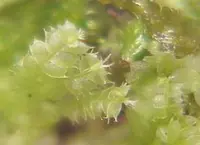
The species name ventricosa refers to its inflated, pouch-like underleaves and leaf lobes, which are key microscopic characters used by bryologists to separate it from closely related Lophozia species.

Indicator of acidic habitats

Lophozia ventricosa often occurs in communities dominated by Sphagnum mosses and other acid-loving bryophytes, so its presence is frequently used as a field clue for low-nutrient, acidic substrates.

Botan icon

Did you know?

Lophozia ventricosa is regarded as one of the most widespread Lophozia species across the Northern Hemisphere, occurring from lowland peatlands up to subalpine and arctic tundra, which makes it a model taxon in studies of bryophyte biogeography and adaptation to cold climates.

FAQs about Tumid Notchwort

This liverwort creeps slowly across moist substrates, forming low, patchy mats rather than thick, smothering carpets. It is not considered aggressive and usually stays where conditions remain consistently cool, damp, and shaded, especially on soil, rotting wood, or peat.

Grow Healthy Plants with Botan Care

Keep your plants happy and healthy with plant identification, disease detection, and easy care guidance.

Botan plant care app — identify plants on mobile

Explore More Plants