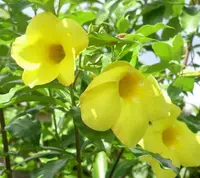
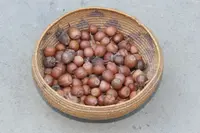
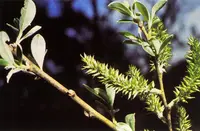
Thunberg's lespedeza Care (Lespedeza thunbergii)

Also known as: Pink Cascade, Spring Grove, Summer Beauty, Bush Clover
Thunberg's lespedeza

About Thunberg's lespedeza

Thunberg's lespedeza (Lespedeza thunbergii) is a deciduous shrub in the pea family, known for its arching stems and late-season flowers. It typically forms a loose, fountain-shaped mound covered in small trifoliate leaves.

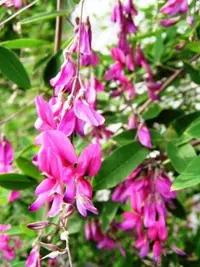
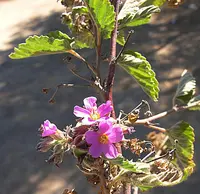
From late summer into fall, it produces many pink to purple pea-like blooms that attract bees and butterflies. The plant is native to East Asia, especially Japan, and is often used in sunny borders or naturalistic plantings.

This shrub is generally tough, tolerating heat, short dry periods, and relatively poor, well-drained soils. Gardeners who learn how to care for Thunberg's lespedeza usually find it forgiving as long as the site is bright and not waterlogged.

Main Plant Requirements

Care Difficulty

Easy Care

Light Preference

Full Sun

Water Requirements

Low Water

Temperature Preference

Cold Hardy

Hardiness Zone

4–9

Soil Texture

Sandy, Loamy

Soil pH

Acidic (5.5–6.5), Slightly acidic (6.5–7.0)

Soil Drainage

Well-drained

Fertilization

Minimal (feed rarely)

Get Personalized Care Plan

Scan your plant to receive care tips personalized for your specific plant

Available on iOS and Android

How to Care for the Thunberg's lespedeza

This shrub performs best in full sun but tolerates some light shade in hot climates.

  • Provide 6–8 hours of direct sun daily; morning sun with light afternoon shade works well in hotter regions to reduce stress on Thunberg's lespedeza.
  • Allow light dappled shade in the afternoon if summer temperatures are intense, but avoid sites shaded for more than 4–5 hours, which reduce flowering.
  • Watch for pale, leggy stems as a sign of insufficient light and for leaf scorch or crispy edges as an indicator of excessive, reflected heat.

This deep-rooted shrub prefers infrequent, thorough watering once established.

  • During the first growing season, water when the top 4–5 cm of soil are dry, soaking the root zone deeply to encourage downward root growth.
  • Once established, rely on rainfall and water only during prolonged dry spells, especially if leaves start to droop slightly and newer foliage feels dry.
  • Plant in well-drained soil; yellowing leaves, soft stems, or sour-smelling soil indicate overwatering, while brittle twigs and persistent leaf drop suggest underwatering.

This hardy deciduous shrub tolerates a wide temperature range once established outdoors.

  • Active growth is strongest around 65–80°F (18–27°C), with warm summers supporting long, arching flowering stems.
  • The plant is generally hardy to about -10°F (-23°C) once mature, dying back to the crown in severe cold but resprouting in spring in suitable climates.
  • Heat tolerance is good up to about 95°F (35°C) if soil is not waterlogged; mulch roots and avoid reflective surfaces that amplify extreme heat around the base.

This shrub tolerates a wide humidity range and rarely needs special adjustment outdoors.

Lespedeza thunbergii prefers light, free-draining soil that does not stay wet after rain or watering.

  • Use a sandy or sandy-loam mix with moderate organic matter to keep the root zone airy.
  • Aim for slightly acidic to neutral pH, around 6.0–7.0, avoiding strongly alkaline conditions.
  • Blend coarse sand or fine gravel into heavier ground to improve drainage and limit winter wetness.
  • Avoid dense clay, compacted areas, or sites where water pools for more than a few hours.

This species can be grown in containers if the pot is set up to manage its arching, shrubby habit.

  • Choose a deep, wide container to give its spreading root system enough lateral space for anchoring and nutrient foraging.
  • Use a heavier pot material or add weight at the base to prevent tipping as long stems become top-heavy in late summer.
  • Select a fast-draining potting mix labeled for shrubs and add extra coarse sand to keep the lower third of the container from staying saturated.

This shrub grows well in lean soil but benefits from light feeding during the active season.

  • Apply a balanced slow-release fertilizer (around 10-10-10) once in early spring as new growth starts.
  • Use a low rate or half-strength dose, as excessive nitrogen reduces flowering on Thunberg's lespedeza.
  • Supplement with a thin layer of compost over the root zone to improve soil structure and nutrition.
  • Stop feeding by late summer and avoid fertilization in fall and winter during dormancy.

Lespedeza thunbergii responds well to hard pruning, which maintains shape and encourages abundant blooms.

  • Cut back all stems to 15–30 cm above ground in late winter or very early spring before bud break.
  • Remove any dead, broken, or weak shoots at the base using clean, sharp pruners or loppers.
  • Thinning crowded stems improves air flow and light penetration, supporting healthier new growth.
  • Regular renewal pruning keeps the arching form compact and maximizes flowering on new wood.

This shrub is usually grown in the ground, so focus on transplanting rather than frequent repotting.

  • Transplant in early spring or early fall when temperatures are mild and rainfall is steady.
  • Move plants if growth is stunted, the root ball circles a container, or the shrub outgrows its space.
  • Dig a wide planting hole, loosen circling roots gently, and set the crown at soil level.
  • Water deeply after transplanting, then keep soil evenly moist for several weeks to limit transplant shock.

Lespedeza thunbergii is commonly propagated by seed and semi-ripe cuttings.

  • Collect ripe seeds in fall, then sow outdoors in late fall or early spring for natural cold stratification.
  • Take semi-ripe cuttings in midsummer, 8–10 cm long, from non-flowering shoots.
  • Insert cuttings into a free-draining mix, keep at 65–75°F, and maintain high humidity for rooting.
  • Layer low, flexible stems in spring by pegging them into soil until roots form, then detach and transplant.

This shrub is generally cold hardy in much of the US and needs only modest winter care.

  • In cold climates, stems die back to the base while the root system overwinters safely.
  • Apply a 5–8 cm layer of mulch over the root zone after the first hard frost, keeping mulch off stems.
  • Container plants in colder zones should be moved to a sheltered, unheated but frost-free area.

Care Tips

Install sturdy supports

Set up wide, low supports such as stout peony rings or horizontal wires at 30–60 cm height in early spring so the long arching stems have structure and do not sprawl over nearby plants or paths.

Renewal cutting cycle

Every 3–4 years, remove an extra 25–30% of the oldest, thickest stems at ground level in late winter to maintain a vigorous framework and prevent the clump from becoming woody and bare at the base.

Edge and contain

Use a sharp spade once a year to slice around the perimeter of the clump, removing outward-running shoots, to keep the plant within its allotted space and reduce unwanted self-sowing into nearby beds.

Encourage airflow

Thin out some interior stems after flowering to open the center of the shrub, which improves air circulation and reduces the likelihood of foliar diseases during humid late-summer weather.

Combine with groundcover

Plant durable, low groundcovers in front of the base so the early-season bare framework is visually softened while still leaving enough open soil for caring for Thunberg's lespedeza, including mulching and renewal pruning access.

Common Pests and Diseases

Lespedeza stem borer

This pest tunnels inside young stems, causing wilting, dieback, and hollow or girdled shoots. Symptoms include sudden collapse of individual canes while the rest of the shrub appears healthy.

Solution

Prune and destroy wilted or hollow stems as soon as they are noticed to remove larvae before they complete development. Keep plants vigorous with full sun and good drainage, and avoid leaving infested stems or plant debris on the ground, which can harbor overwintering stages.

Leaf spot

This disease causes small brown to dark purple spots on leaves that can merge into larger patches, sometimes leading to premature leaf drop late in the season. Symptoms include most intense spotting in dense, shaded parts of the shrub after periods of warm, wet weather.

Solution

Remove and discard heavily spotted leaves and fallen litter to reduce fungal spores, and thin crowded stems to improve airflow around the canopy. During prolonged wet periods, a copper or chlorothalonil-based fungicide labeled for ornamental shrubs can be applied preventively according to label directions if the plant has a history of severe spotting.

Powdery mildew

This disease produces a white to gray powdery coating on the upper leaf surfaces and young stems, which can cause mild distortion and reduced vigor late in the growing season. Symptoms include more noticeable growth on shaded or crowded parts of the plant.

Solution

Improve air circulation by selective thinning, avoid overhead watering in the evening, and remove heavily infected shoots at the end of the season. If needed, apply a sulfur, potassium bicarbonate, or horticultural oil product labeled for powdery mildew at the first sign of symptoms, ensuring thorough coverage of both upper and lower leaf surfaces.

Interesting Facts

Nitrogen-fixing shrub

This species forms root nodules with nitrogen-fixing bacteria, allowing it to enrich poor soils and often improve fertility for nearby plants over time.

Late-season flower display

It typically flowers in late summer to early fall, producing cascading pink to purplish pea-like blooms when many other shrubs have already finished flowering.

Arching fountain habit

Mature plants develop long, flexible stems that arch outward and downward, creating a fountain-like form that can reach several feet wide in suitable conditions.

Botan icon

Did you know?

In Japan, this species is one of the traditional seven autumn flowers, known as aki no nanakusa, and has been celebrated in classical poetry for centuries for its graceful form and late-season blossoms.

FAQs about Thunberg's lespedeza

This shrub forms wide, arching clumps and can spread several feet by basal shoots, but it does not usually run by underground rhizomes. It enlarges steadily, so allow space and prune to keep it contained.

Grow Healthy Plants with Botan Care

Keep your plants happy and healthy with plant identification, disease detection, and easy care guidance.

Botan plant care app — identify plants on mobile

Explore More Plants