

Use acidic substrate
Place the moss on a shallow layer (1–3 cm) of finely milled sphagnum or peat-based, low-nutrient substrate with pH 4.5–5.5 to maintain color and reduce competition from algae and liverworts.

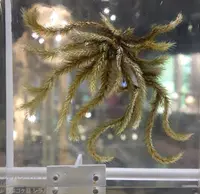
Milk moss, Leucobryum javense, is a compact cushion-forming moss valued for its dense, velvety tufts and fresh light-green color. It creates soft mounds that resemble miniature moss pillows rather than flat carpets.
This species occurs naturally in humid forests across parts of Asia, often on shaded soil, rotting wood, or rocks where moisture is steady. Its preference for consistent humidity and shade makes it appealing for terrariums and indoor displays but less tolerant of drying out.
Those who care for Milk moss should provide a stable, moist environment, gentle airflow, and protection from direct sun for best appearance and long-term health.

Care Difficulty
Moderate Care

Light Preference
Partial Shade

Water Requirements
Keep Soil Moist

Temperature Preference
Warm Climate

Hardiness Zone
Unknown

Soil Texture
Peaty, Organic-rich, Loamy

Soil pH
Strongly acidic (4.5–5.5), Acidic (5.5–6.5)

Soil Drainage
Moist but well-drained

Fertilization
Minimal (feed rarely)
Scan your plant to receive care tips personalized for your specific plant
Available on iOS and Android
Leucobryum javense prefers soft, forest-like light rather than direct, open sun exposure.
This moss needs consistently moist conditions but is highly sensitive to stagnant water and long dry spells.
This species comes from warm, humid habitats and performs best in stable, mild temperatures.
This moss prefers consistently high humidity to stay lush and active.
Leucobryum javense anchors best in a loose, moisture-retentive yet free-draining substrate.
This species is well suited to container culture, especially in shallow trays or terrariums.
Leucobryum javense needs very little feeding, especially when grown on suitable, moist substrates.
Pruning Leucobryum javense is minimal and mainly helps keep cushion moss patches neat and healthy.
Transplanting this moss focuses on refreshing its substrate rather than dealing with deep roots.
Leucobryum javense is commonly multiplied by division rather than by spores in home settings.
This moss is moderately cold tolerant and usually needs little specific winter care in mild climates.

Plant Health Check
Not sure what's wrong with your plant? Check your plant's health inside the app.
This species forms tight, dome-shaped cushions with a pale green to whitish surface, caused by dense, upward-pointing leaves that trap air and reflect light. The cushion structure helps stabilize moisture and temperature inside the moss clump, which is important in exposed or periodically dry sites.
It commonly grows on acidic soils, rotting wood, and tree bases in humid forests across tropical and subtropical Asia and the Pacific. The plant tolerates low nutrient availability and acidic conditions that many vascular plants find stressful, which allows it to dominate some forest-floor patches.
Its leaves are thick and strongly incurved when dry, with a central strand of specialized water-conducting cells called hydroids. This anatomy allows the cushions to store and move water efficiently despite the plant lacking true vascular tissue like that found in flowering plants.

In some Asian forests this moss can form extensive, almost continuous carpets on the ground and decaying logs, creating a specialized microhabitat that supports small invertebrates, fungal communities, and seedling establishment for other plant species.
This species forms dense, cushion-like clumps that expand slowly outward. It spreads by fragments and short stems, but is not considered aggressive. Regular trimming and physical edging keep its growth neatly contained in terrariums or garden features.
Keep your plants happy and healthy with plant identification, disease detection, and easy care guidance.

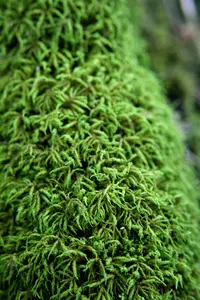
seductive entodon moss
Entodon seductrix
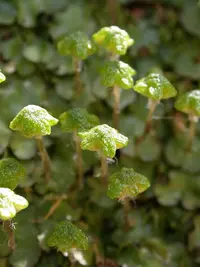
Hemisphaeric Liverwort
Reboulia hemisphaerica
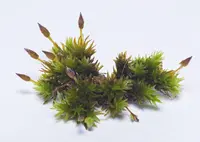
orthotrichum moss
Orthotrichum anomalum
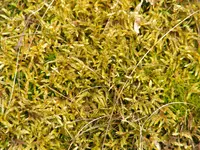
Schreber's big red stem moss
Pleurozium schreberi
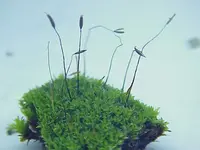
tortula moss
Tortula muralis
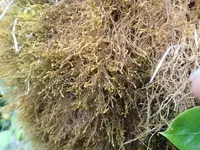
Bent Scissor-leaved Liverwort
Herbertus aduncus
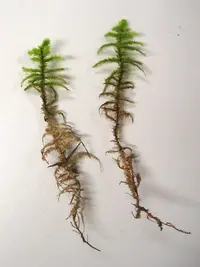
rough goose neck moss
Hylocomiadelphus triquetrus
orthotrichum moss
Orthotrichum stramineum