

Shallow Substrate Layer
Use only a very thin (3–5 mm) layer of fine, clean sand or milled sphagnum over rock or compacted soil so the thallus can anchor without staying waterlogged at the base.

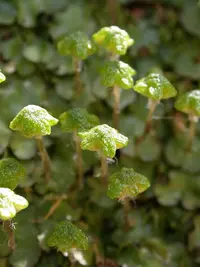
Hemisphaeric liverwort (Reboulia hemisphaerica) is a small, non-vascular bryophyte that forms flat, green to reddish mats called thalli on moist surfaces. It often grows on damp soil, rock, or shaded greenhouse benches and can appear in both natural habitats and cultivated settings such as terrariums. The plant spreads quickly in the right conditions, which makes it easy to maintain once established but sometimes a bit invasive in pots. It favors cool, humid, low-light environments and benefits from consistently moist, low-nutrient substrates. Understanding how to care for Hemisphaeric Liverwort mainly involves controlling moisture, airflow, and light to prevent drying or rot.

Care Difficulty
Moderate Care

Light Preference
Partial Shade

Water Requirements
Keep Soil Moist

Temperature Preference
Cool Climate

Hardiness Zone
5–9

Soil Texture
Loamy, Silty, Organic-rich

Soil pH
Acidic (5.5–6.5), Slightly acidic (6.5–7.0)

Soil Drainage
Moist but well-drained

Fertilization
Minimal (feed rarely)
Scan your plant to receive care tips personalized for your specific plant
Available on iOS and Android
This liverwort prefers cool, low to moderate light that mimics a shaded stream bank or rock surface.
This non-vascular liverwort needs consistently moist conditions and does not tolerate drying out.
This species prefers cool to mild temperatures and is sensitive to both hard frost and intense heat.
This species needs constantly moist, high-humidity conditions to remain healthy.
Reboulia hemisphaerica prefers a shallow, constantly moist, organic-rich substrate with excellent aeration.
This species is suitable for shallow container culture, especially in trays or terraria.
This small liverwort grows well in nutrient-poor substrates and usually needs no fertilizer under normal conditions.
Pruning needs for Reboulia hemisphaerica are minimal and mainly hygienic.
This species is usually grown as a ground or terrarium carpet and is disturbed only when necessary.
Reboulia hemisphaerica is typically propagated vegetatively from small thallus pieces rather than from spores.
Outdoor colonies are generally cold hardy and require little dedicated winter care once established.

Plant Health Check
Not sure what's wrong with your plant? Check your plant's health inside the app.
This liverwort forms small hemispherical lobules along the margins of its thallus, a key diagnostic feature that separates it from many similar-looking thalloid liverworts in the field.
The underside of the thallus often shows a distinct purple to reddish coloration, which helps botanists confirm identification and may help protect internal tissues from excess light near the substrate surface.
Populations are frequently recorded on metal-rich or disturbed soils, including near mining areas, suggesting a relatively high tolerance to heavy metals compared with many other bryophytes.

This species commonly develops specialized reproductive branches called receptacles with umbrella-like female structures (archegoniophores) and compact male cushions (antheridiophores), creating a strongly dimorphic sexual morphology that is unusually pronounced even among thalloid liverworts.
This species performs best outdoors in cool, humid, shaded conditions that mimic stream banks or moist rock. Indoors it is difficult to keep humidity and airflow stable, so Hemisphaeric Liverwort indoor care is usually more challenging and short‑lived.
Keep your plants happy and healthy with plant identification, disease detection, and easy care guidance.

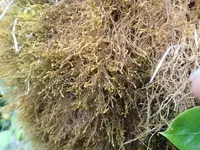
Bent Scissor-leaved Liverwort
Herbertus aduncus
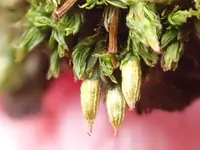
orthotrichum moss
Orthotrichum tenellum
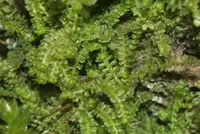
Trunk Pawwort
Neoorthocaulis attenuatus
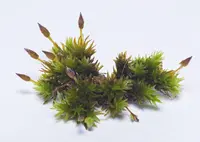
orthotrichum moss
Orthotrichum anomalum
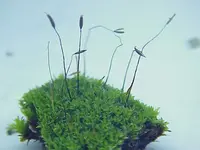
tortula moss
Tortula muralis
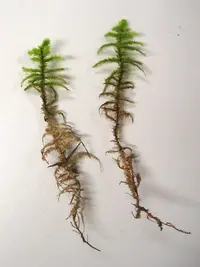
rough goose neck moss
Hylocomiadelphus triquetrus
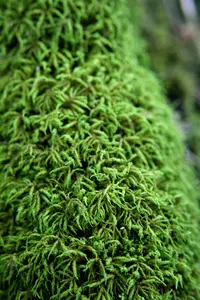
seductive entodon moss
Entodon seductrix
orthotrichum moss
Orthotrichum stramineum