Skullcap Dapperling Care (Leucocoprinus brebissonii)

Skullcap Dapperling

About Skullcap Dapperling

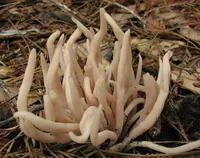
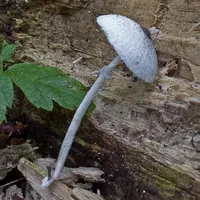
Skullcap dapperling (Leucocoprinus brebissonii) is a small saprophytic mushroom, not a true houseplant, that grows from decaying wood, mulch, or rich organic debris. It often appears in clusters with a delicate, pale cap and slender stem.

This species occurs mainly in temperate regions, especially in forests, gardens, and landscaped beds where woody material breaks down. It tends to appear suddenly after rain, then disappears quickly as conditions change.

Because it relies on specific decaying substrates and humidity, it is not easy to cultivate intentionally at home. Most people simply observe it in the garden rather than trying to care for Skullcap Dapperling.

Main Plant Requirements

Care Difficulty

Moderate Care

Light Preference

Partial Shade

Water Requirements

Keep Soil Moist

Temperature Preference

Warm Climate

Hardiness Zone

Unknown

Soil Texture

Loamy, Organic-rich

Soil pH

Acidic (5.5–6.5)

Soil Drainage

Moist but well-drained

Fertilization

Minimal (feed rarely)

Get Personalized Care Plan

Scan your plant to receive care tips personalized for your specific plant

Available on iOS and Android

How to Care for the Skullcap Dapperling

This small saprotrophic mushroom prefers gentle, indirect light rather than direct, intense sun.

  • Provide bright, filtered light or light dappled shade for 2–4 hours per day, such as morning sun through thin canopy or sheer curtains.
  • Avoid harsh midday or afternoon sun, which can dry the substrate and scorch delicate caps of Skullcap Dapperling, shortening fruiting lifespan.
  • In summer, use partial shade under shrubs or trees; in cooler seasons, choose brighter spots while still avoiding direct, prolonged sun exposure.

This fungus needs consistently moist but not waterlogged conditions to fruit and persist.

  • Water when the top 1–2 cm of the substrate or soil surface begins to look dry, aiming for evenly damp texture without pooled water.
  • Ensure excellent drainage through loose, organic-rich material; soggy, stagnant conditions cause rotting mycelium, while cracked, dusty surfaces indicate underwatering.
  • Reduce watering frequency in cooler seasons when evaporation slows, and increase light misting or gentle soaking during warm, dry periods to maintain steady surface moisture.

This species thrives in mild, consistently warm conditions with no exposure to frost.

  • Aim for 65–80°F (18–27°C) for best development and fruiting, keeping temperature changes gradual rather than sudden.
  • Protect Leucocoprinus brebissonii from cold; growth slows below about 55°F (13°C) and is usually damaged or stopped by exposure near 32°F (0°C).
  • In hot weather above 85°F (29°C), provide shade and extra moisture to prevent substrate from overheating and drying, which quickly halts mushroom production.

This species tolerates a wide humidity range but fruits most reliably in moderate to slightly humid air.

  • Aim for 40–60% humidity to support steady fruiting and reduce cap cracking.
  • It copes with short dry spells, but very dry air can slow mushroom formation and shrink developing caps.
  • Signs of low humidity stress include caps splitting, edges curling upward, and pins aborting before expansion.
  • Increase humidity by lightly misting the substrate surface and using a loose cover or humidity tent that still allows air exchange.

Leucocoprinus brebissonii develops best in loose, airy, organic-rich substrate rather than dense garden soil.

  • Use a fine, crumbly mix based on leaf litter, composted wood, or well-aged compost blended with perlite for structure.
  • Ensure rapid drainage so water moves through in seconds while the substrate remains evenly moist, not waterlogged.
  • A slightly acidic to neutral reaction around pH 6.0–7.0 suits its decomposer lifestyle and supports stable fungal growth.
  • Avoid heavy clay, peat-only mixes, or compacted, anaerobic substrate that restricts air spaces around the mycelium.

This species can be grown in containers when the substrate depth and moisture are carefully controlled.

  • Choose a wide, shallow container to spread the colonized substrate in a 5–10 cm layer, which encourages even fruiting across the surface.
  • Select a rigid pot material that does not flex, so the colonized substrate remains undisturbed when moved or watered.
  • Use a tray or outer cachepot to catch runoff without letting the inner container sit in standing water, preserving gas exchange at the base.

This small saprotrophic fungus does not need intentional fertilization when growing naturally or in pots with fresh organic substrate.

Pruning is not a standard practice for Leucocoprinus brebissonii, since individual mushrooms are short-lived fruiting bodies rather than permanent stems or branches.

Containers or growing trays are usually refreshed rather than traditionally repotted for this delicate decomposer fungus.

  • Replace the substrate when fruiting declines, using fresh, well-rotted organic material such as leaf litter, composted wood, or similar mulch.
  • Time any substrate refresh for active growing conditions, typically in warm, humid weather when fungal activity is highest.
  • Gently lift and transfer colonized substrate as a block, disturbing the white mycelium network as little as possible.
  • Keep the new container evenly moist and shaded after moving to reduce stress on the fungal mycelium.

Propagation of Leucocoprinus brebissonii relies on spores or moving colonized substrate rather than vegetative cuttings or division.

Outdoor colonies are generally left unmanaged in winter, with the fungus persisting mainly as mycelium in the substrate.

  • In mild climates, leave leaf litter or organic debris in place to insulate the underlying mycelium from temperature swings.
  • In colder regions, a thicker mulch layer over colonized soil can help buffer repeated freeze–thaw cycles.
  • Container cultures in very cold areas can be overwintered in a cool, frost-free, dim space to keep the substrate from freezing solid.

Care Tips

Use fresh substrate

Move colonized material into a fresh, pasteurized organic substrate like well-rotted leaf mold or woodchip-rich compost to extend fruiting, since this species quickly exhausts nutrients in a small pot or tray.

Encourage spore spread

After caps flatten, gently tap or tilt them over nearby moist leaf litter or woodchips so spores fall onto suitable material, which can help establish new clusters when growing Skullcap Dapperling in a controlled outdoor corner.

Maintain shaded microclimate

Place containers or beds under low, evergreen shrubs or behind windbreaks to keep a stable, shaded microclimate that reduces rapid drying and prolongs flushes of mushrooms.

Control competing fungi

Remove obviously moldy or heavily colonized rival fungi patches from the substrate and replace those sections with fresh, moist material to limit competition and keep the existing mycelium vigorous.

Minimize handling damage

Cut mushrooms at the base with a clean blade rather than pulling them out, which leaves the underlying mycelium network less disturbed and more likely to produce repeat flushes.

Common Pests and Diseases

Fungus gnat larvae

This pest is common in moist, organic-rich substrates where the mycelium of this fungus develops. Symptoms include slow or distorted mycelial spread in culture dishes or trays and visible small white larvae in the substrate.

Solution

Allow the growing medium to dry slightly between waterings, use a well-draining, pasteurized substrate, and remove heavily infested material. Sticky traps reduce adult populations, and a biological control such as Bacillus thuringiensis israelensis can be applied to the substrate to target larvae without harming the fungus.

Mite contamination

These insects are microscopic or very small arachnids that feed on fungal mycelium and young fruiting bodies, sometimes leaving pitted caps or stunted growth. Symptoms include patchy, thinned, or browned mycelium on culture plates or in trays and very fine movement on the surface when viewed closely.

Solution

Isolate affected cultures or trays, discard heavily infested material, and thoroughly clean benches, tools, and containers. Improve hygiene, reduce overcrowding, and, in controlled culture setups, use fine mesh or filters on vents; horticultural oils or targeted acaricides can be used around, but not directly on, sensitive cultures when allowed and applied carefully.

Trichoderma green mold

This disease is a competitive green mold that colonizes the same substrate as the fungus, quickly overrunning weak or contaminated mycelium. Symptoms include bright to dull green patches on the substrate surface, a musty odor, and failure of the Skullcap Dapperling to form normal fruiting bodies.

Solution

Promptly remove and discard contaminated substrate and any nearby highly exposed material, as this mold spreads by airborne spores. Sterilize or replace containers and tools, reduce excess moisture and overcrowding, and start new cultures only from clean, uncontaminated material to prevent recurrence, following strict Leucocoprinus brebissonii care hygiene practices.

Interesting Facts

Tiny, fragile fruiting bodies

This species produces very small, delicate mushrooms that often collapse or dry out within a day, which makes them easy to overlook in the wild and hard to document in detail.

Northern, temperate distribution

It is primarily recorded from temperate regions, including parts of Europe and North America, rather than the tropical and subtropical zones where many related Leucocoprinus species are most diverse.

Taxonomic uncertainty history

Its classification has been historically problematic, with past authors sometimes confusing it with closely related pale, small Lepiota- and Leucocoprinus-like fungi due to overlapping microscopic features.

FAQs about Skullcap Dapperling

This small fungus is considered inedible and potentially toxic. It should not be eaten by people or animals. Avoid allowing children or pets to handle or consume it, and remove fruiting bodies from areas they can reach.

Grow Healthy Plants with Botan Care

Keep your plants happy and healthy with plant identification, disease detection, and easy care guidance.

Botan plant care app — identify plants on mobile

Explore More Plants